
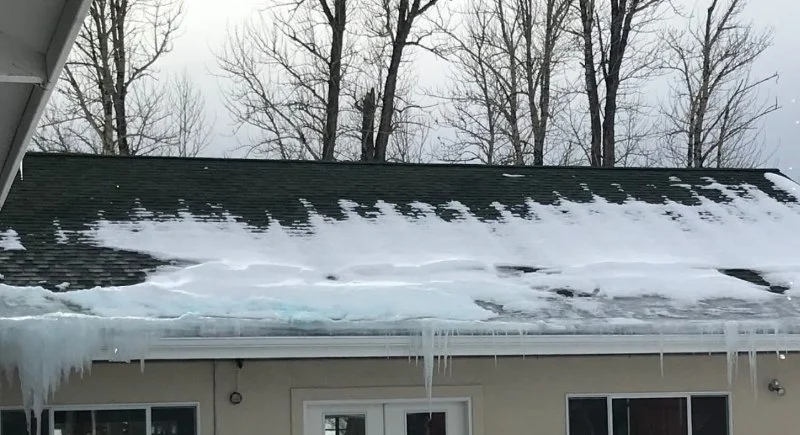
How Roof Pitch Affects Snow Accumulation & Melting: A Comprehensive Guide
In regions like Canada where winter brings heavy snowfall, the design of your roof becomes crucial. One of the most important factors in snow accumulation and melting is the roof pitch. Roof pitch refers to the steepness or slope of the roof, and it significantly impacts how snow builds up and how quickly it melts. In this article, we will explore how roof pitch affects snow accumulation, melting, and the best practices for roof design in snowy climates.
- 1. What Is Roof Pitch?
- 2. How Roof Pitch Affects Snow Accumulation
- 3. How Roof Pitch Impacts Snow Melting
- 4. Best Roof Pitch for Snowy Climates
- 5. Snow Removal Tips for Roofs
1. What Is Roof Pitch?
Roof pitch refers to the angle or steepness of a roof, usually measured in terms of a ratio or degree. In simple terms, it indicates how much higher one side of the roof is compared to the other, which determines how quickly water or snow will slide off the roof. Roof pitch is an essential factor in roof design, as it affects the drainage and durability of the roof, especially in areas prone to heavy snow and rain.
In the Canadian climate, where heavy snowfall is common, roof pitch is crucial for managing snow accumulation and ensuring the safety and longevity of the roof structure.

Custom Contracting Roofing & Eavestrough Repair Waterloo / eavestrough repair waterloo
WaterlooWaterloo Regional MunicipalityOntario
165 Margaret Ave S, Waterloo, ON N2J 2E3, Canada
2. How Roof Pitch Affects Snow Accumulation
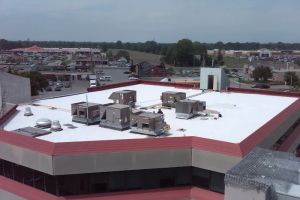
Snow accumulation on a roof is directly influenced by its pitch. Roofs with a steep pitch tend to shed snow more quickly, reducing the risk of snow buildup. On the other hand, roofs with a low pitch can cause snow to settle and accumulate, potentially leading to excess weight and even structural damage if the snow is not cleared promptly.
The general rule of thumb is that the steeper the roof pitch, the less snow it will accumulate. This is because gravity helps snow slide off faster on steep slopes. Roofs with low or flat pitches, however, may retain more snow, especially if the snow is wet and heavy. The weight of accumulated snow can place a strain on the roof, potentially causing leaks or even collapse if left unchecked.
Horizon Roofing Ltd / horizon roofing
3735 Cabana Road E, Windsor, ON N8V 0A5, Canada
3. How Roof Pitch Impacts Snow Melting
In addition to affecting snow accumulation, roof pitch also plays a role in how snow melts. Roofs with a steep pitch tend to allow snow to melt faster, as gravity causes the snow to slide off more easily, which reduces the chance of ice dams forming. On the other hand, roofs with low pitches retain snow for longer periods, which can result in slower melting.
When snow stays on a roof for too long, it can lead to the formation of ice dams, which occur when the snow melts from the top of the roof but refreezes at the eaves, blocking the proper drainage of water. This trapped water can seep under shingles, causing leaks and damage to the roof structure.
4. Best Roof Pitch for Snowy Climates
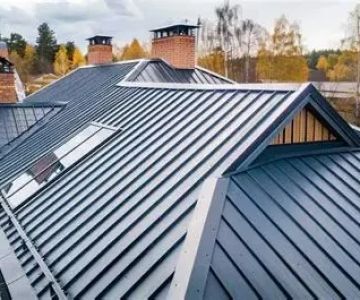
For homes in Canada or other snowy regions, choosing the right roof pitch is essential for managing snow effectively. The ideal roof pitch for snowy climates typically falls between 30° and 45°. This pitch range helps snow slide off the roof, preventing heavy accumulation and reducing the risk of ice dams. However, this can vary depending on factors such as the type of snow in the region, wind conditions, and the overall design of the building.
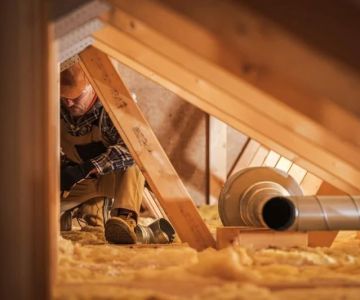
It's important to note that roof materials, insulation, and ventilation also play a significant role in how snow is managed on your roof. A well-ventilated attic and proper insulation can help prevent heat from escaping and causing snow to melt unevenly, which is a common cause of ice dams.
5. Snow Removal Tips for Roofs
While roof pitch plays a significant role in snow accumulation, snow removal is also essential to ensure the safety and integrity of your roof. Here are some snow removal tips:
- Clear Snow Early: Remove snow as soon as possible after a snowfall to prevent it from becoming compacted and heavy.
- Use a Roof Rake: A roof rake with a long telescoping handle allows you to safely remove snow from your roof without needing to climb up.
- Hire Professionals: If your roof is steep or has a high risk of ice dams, consider hiring professional roofers to remove snow safely.
- Check for Ice Dams: If you notice ice forming along the eaves, consider installing heated cables to help prevent the formation of ice dams.
Proper snow removal is essential for preventing damage to your roof and ensuring its longevity. Be sure to regularly inspect your roof after heavy snowfall and take necessary steps to remove snow and prevent ice buildup.
Understanding the impact of roof pitch on snow accumulation and melting is essential for homeowners in snowy regions. If you’re considering a new roof or experiencing issues with snow buildup, consult a professional roofing company like Pickering Roofing for expert advice and assistance.


 Cupola Roofing Inc5.0 (70 reviews)
 Rain Safe Roofing5.0 (69 reviews)
 Albatross Roofing4.0 (131 reviews)
 North London Roofing4.0 (97 reviews)
 Dr Roof Ltd0.0 (0 reviews)
 Active roofing and construction1.0 (1 reviews)
 How Much Does a New Roof Cost in 2025? Canadian Roofing Price Guide
 Top Signs Your Roof Has a Leak and What to Do About It in Canada
 Can You Install a New Roof Over an Old One in Canada?
 The Top Questions to Ask Before Hiring a Roofer in Canada
 What Are the Most Common Roofing Scams and How to Avoid Them in Canada
 How to Prepare Your Home for a Roofing Project in Canada