
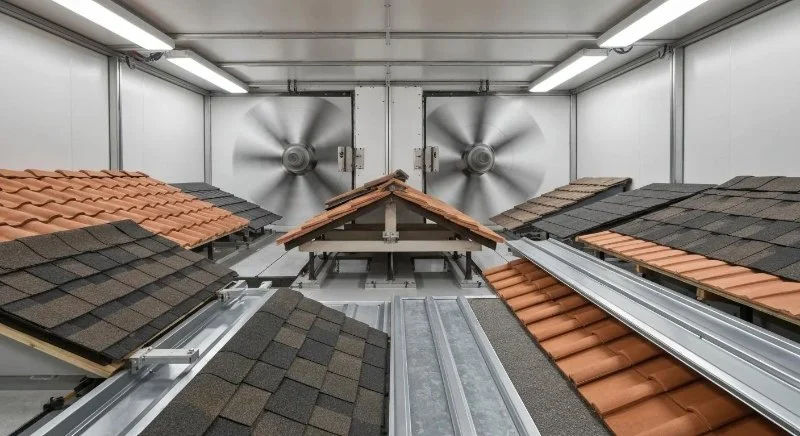
- - Understanding Wind Uplift Resistance
- - Why Regional Conditions Matter
- - Wind Ratings Explained
- - Canadian Regions and Roofing Requirements
- - Factors That Affect Roof Performance
- - Choosing the Right Roofing System
- - Common Mistakes Homeowners Make
- - Real-World Examples
- - Professional Inspection and Planning
- - Long-Term Protection and Value
Understanding Wind Uplift Resistance
Wind uplift resistance refers to a roofing system's ability to remain attached to a building when exposed to strong winds. While many homeowners focus on roof appearance, color, or material costs, wind resistance is often one of the most important factors determining how well a roof performs over time.
When wind travels across a roof surface, it creates pressure differences. The pressure above the roof becomes lower than the pressure inside and underneath the roofing structure. This pressure imbalance can generate an upward force that attempts to lift shingles, panels, membranes, and even entire roof sections.
The higher the wind speed, the stronger the uplift force becomes. If the roofing system is not designed for local weather conditions, components may loosen, detach, or fail completely during severe storms.
In Canada, where weather conditions vary dramatically from coast to coast, understanding wind uplift resistance for roofs in Canada is essential for homeowners, property managers, builders, and real estate investors.
Why Regional Conditions Matter
One of the biggest misconceptions in roofing is assuming that every Canadian region requires the same level of wind protection. In reality, Canada features an enormous range of climates and weather patterns.
1. Coastal Exposure
Coastal areas such as Atlantic Canada frequently experience hurricanes, tropical storm remnants, and powerful winter storms. Regions in Nova Scotia, Newfoundland and Labrador, and parts of New Brunswick often face sustained winds significantly higher than inland locations.
2. Prairie Wind Events
The Prairies are famous for open landscapes that allow wind to travel long distances without obstruction. Homeowners in Alberta, Saskatchewan, and Manitoba regularly encounter strong gusts that place considerable stress on roofing systems.
3. Urban Wind Tunnels
Major metropolitan areas can experience unique wind behavior. Tall buildings create acceleration zones where wind speed increases dramatically around structures. Even homes in suburban environments may experience uplift forces higher than expected.
4. Mountain Weather Systems
British Columbia's mountainous terrain creates localized weather patterns capable of generating sudden wind events. Roofs in these regions often need additional design considerations.
Because of these regional differences, selecting a roof based solely on price rather than wind rating can become an expensive mistake.
Wind Ratings Explained
Understanding roofing wind ratings helps homeowners make informed decisions when replacing or upgrading a roof.
1. Manufacturer Wind Ratings
Most roofing manufacturers test products under controlled conditions and assign wind resistance ratings. These ratings typically indicate the maximum wind speeds a roofing product can withstand when installed according to manufacturer specifications.
2. Standard Shingle Ratings
Entry-level asphalt shingles may be rated for winds around 110 mph (177 km/h), while premium products may achieve ratings up to 130 mph (209 km/h) or higher.
3. Enhanced Installation Systems
Many roofing systems achieve their highest ratings only when additional installation methods are used, including:
- Enhanced fastening patterns
- Special starter strips
- Improved underlayment systems
- Additional adhesive applications
- Upgraded ridge cap installations
4. Entire System Performance
A common mistake is focusing solely on shingles. Wind uplift resistance depends on the performance of the entire roofing assembly, including decking, fasteners, ventilation systems, flashing, and edge protection.
Canadian Regions and Roofing Requirements
Although exact engineering requirements depend on building codes and local conditions, general guidelines can help homeowners understand what level of protection may be appropriate.
Atlantic Canada
Due to frequent coastal storms and hurricane remnants, Atlantic provinces often benefit from higher-rated roofing systems. Premium wind-resistant shingles and reinforced installation methods are frequently recommended.
Ontario
Ontario experiences a mix of weather conditions, including thunderstorms, winter storms, and occasional tornado activity. Southern Ontario homeowners often choose upgraded wind-rated systems to account for seasonal extremes.
Quebec
Quebec's climate introduces challenges related to both wind and snow loads. Roofing systems must balance uplift resistance with structural durability.
Prairie Provinces
Strong gusting winds make uplift resistance especially important throughout Alberta, Saskatchewan, and Manitoba. Open terrain increases exposure and can accelerate roof wear over time.
British Columbia
Coastal and mountainous conditions require region-specific planning. Areas near the Pacific coastline often benefit from roofing products designed for severe wind events.
Northern Canada
Northern communities face unique environmental conditions including extreme temperature fluctuations, snow accumulation, and strong seasonal winds. Durable roofing systems are particularly valuable in remote areas where repairs may be difficult.
Factors That Affect Roof Performance
1. Roof Shape
Certain roof designs perform better in windy conditions. Hip roofs generally distribute wind forces more evenly than gable roofs, reducing uplift stress.
2. Roof Slope
Steeper slopes can experience different pressure dynamics compared to low-slope roofs. The angle of the roof influences how wind interacts with the structure.
3. Building Height
Taller buildings experience greater wind exposure. Wind speed typically increases with elevation, placing additional demands on roofing systems.
4. Surrounding Environment
Trees, neighboring buildings, and terrain features can either reduce or intensify wind loads depending on their location and configuration.
5. Installation Quality
Even the highest-rated roofing materials may fail if installation standards are not followed correctly. Professional workmanship remains one of the most important contributors to long-term performance.
Choosing the Right Roofing System
Selecting the proper roofing system requires balancing budget, durability, local climate conditions, and long-term property goals.
Step 1: Evaluate Local Weather History
Reviewing local storm patterns provides valuable insight into expected wind conditions. Areas with repeated severe weather events often justify higher-rated roofing systems.
Step 2: Compare Product Specifications
Homeowners should carefully compare manufacturer wind ratings, warranty information, and installation requirements before making a decision.
Step 3: Consider Future Costs
Premium roofing products may cost more initially but often reduce repair expenses over the roof's lifespan.
Step 4: Consult Experienced Professionals
Reliable roofing contractors can assess local exposure conditions and recommend suitable products based on regional requirements.
Many homeowners use resources such as Pickering Roofing to compare roofing options, understand material performance, and evaluate solutions tailored to Canadian weather conditions.
Common Mistakes Homeowners Make
1. Choosing Based Only on Price
The lowest quote is not always the best value. A cheaper roof that fails prematurely can lead to significantly higher repair costs.
2. Ignoring Installation Details
Many warranty claims are denied because installation guidelines were not followed correctly.
3. Delaying Repairs
Small wind-related damage often worsens quickly. Missing shingles can expose underlayment and decking to water infiltration.
4. Overlooking Roof Age
Older roofs become more vulnerable to uplift forces as materials deteriorate and adhesives lose effectiveness.
Real-World Examples
Case Study: Atlantic Storm Recovery
After a severe coastal storm, two neighboring homes experienced dramatically different outcomes. One property had recently installed a premium wind-rated roofing system, while the other maintained aging shingles nearing the end of their service life.
The upgraded roof sustained only minor cosmetic damage. The older roof lost multiple sections, resulting in interior water intrusion and expensive repairs. The difference highlighted the importance of selecting materials appropriate for regional weather conditions.
Case Study: Prairie Wind Event
A homeowner in Alberta upgraded from standard shingles to a high-performance roofing system after repeated wind-related repairs. Over the next several years, the roof successfully withstood multiple severe windstorms without significant damage.
The upfront investment ultimately reduced maintenance expenses and improved overall property protection.
Professional Inspection and Planning
A professional roof assessment provides valuable information about current roof condition, potential vulnerabilities, and recommended improvements.
Inspection Areas Often Include:
- Shingle condition
- Fastener integrity
- Flashing performance
- Ventilation systems
- Decking stability
- Signs of previous uplift damage
- Moisture intrusion risks
Regular inspections help identify issues before severe weather exposes hidden weaknesses.
Long-Term Protection and Value
A roof represents one of the most important protective systems in any home. Understanding wind uplift resistance for roofs in Canada allows homeowners to make informed decisions that balance performance, safety, and long-term value.
Whether you live along Canada's storm-prone Atlantic coastline, within the windy Prairie provinces, or in rapidly growing urban centers, selecting a roofing system with an appropriate wind rating can significantly reduce the risk of storm damage.
Investing in quality materials, proper installation, and regular inspections often provides better long-term value than repeatedly addressing preventable repairs. Homeowners who take time to evaluate local weather conditions, compare roofing options, and seek expert guidance are generally better positioned to protect their property for decades.
If you are planning a roof replacement, researching regional wind requirements and consulting experienced professionals through resources such as Pickering Roofing can help you identify roofing systems designed to perform reliably under Canada's diverse and often challenging weather conditions.

 AM Group Exteriors - London4.0 (260 reviews)
 Gamma Roofing5.0 (1 reviews)
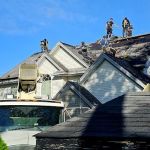 Roof Ninjas5.0 (11 reviews)
 M J Roofing & Supply Ltd3.0 (55 reviews)
 A & A Roofing (2016) Ltd2.0 (1 reviews)
 Northeast Roofing4.0 (12 reviews)
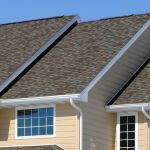 How Much Does a New Roof Cost in 2025? Canadian Roofing Price Guide
 Top Signs Your Roof Has a Leak and What to Do About It in Canada
 Can You Install a New Roof Over an Old One in Canada?
 The Top Questions to Ask Before Hiring a Roofer in Canada
 What Are the Most Common Roofing Scams and How to Avoid Them in Canada
 How to Prepare Your Home for a Roofing Project in Canada