
- 1. Metal Roofing Overview
- 2. How Much Does Metal Roofing Weigh?
- 3. Does the Weight of Metal Roofing Matter?
- 4. Key Considerations for Metal Roofing Installation
- 5. Advantages of Metal Roofing
1. Metal Roofing Overview
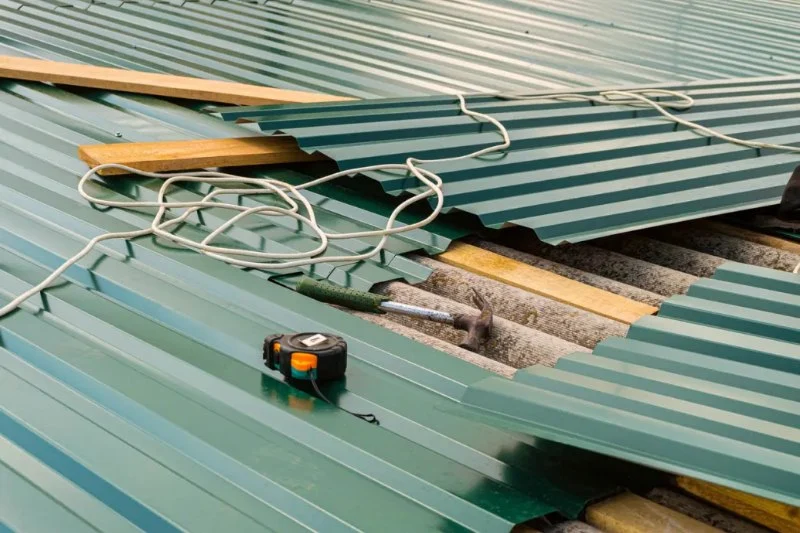
Metal roofing is becoming an increasingly popular choice for homeowners and commercial property owners alike. Known for its durability, longevity, and modern appearance, metal roofs are designed to withstand harsh weather conditions such as heavy snow, rain, and wind. They come in various materials, including aluminum, steel, and copper, each offering different benefits and characteristics.
One aspect of metal roofing that often raises questions is the weight of the material. Whether you’re planning to install a new roof or replace an existing one, understanding the weight of metal roofing is important. In this article, we’ll explore how much metal roofing weighs, why this matters, and what you need to know when choosing a roofing material for your building.
2. How Much Does Metal Roofing Weigh?
The weight of metal roofing can vary significantly depending on the type of metal used, the thickness of the panels, and the design of the roofing system. Here’s a breakdown of the average weight for different types of metal roofing:
2.1. Aluminum Roofing
Aluminum is one of the lightest metals used for roofing, making it an excellent option for homeowners looking to minimize the weight of their roof. Aluminum roofing typically weighs between 0.9 to 1.0 pounds per square foot (psf). Its lightweight nature makes it easy to install and is ideal for homes or buildings where additional structural support may be needed.
2.2. Steel Roofing
Steel is a stronger, heavier material than aluminum, and it’s a popular choice for metal roofing due to its strength and cost-effectiveness. Steel roofing generally weighs between 2.0 to 3.0 psf, depending on the gauge (thickness) and coating used. Galvanized steel, for instance, is coated with a layer of zinc to enhance its durability, while galvalume steel has a coating of aluminum and zinc for added resistance to corrosion.
2.3. Copper Roofing
Copper is a premium material that is highly durable and offers a unique aesthetic appeal due to its natural patina that develops over time. However, it’s also one of the heaviest options, weighing approximately 3.5 psf. Copper’s weight, along with its high cost, makes it less common but still a popular choice for high-end residential and commercial projects.
3. Does the Weight of Metal Roofing Matter?
The weight of your roofing material plays a key role in both the installation process and the long-term performance of your roof. Here are some reasons why the weight of metal roofing matters:
3.1. Structural Support
The most significant consideration when it comes to the weight of your roof is the amount of structural support your home or building can handle. Lighter roofing materials like aluminum are ideal for structures that may not be able to support heavier loads, such as older homes or buildings with weakened frames. On the other hand, heavier materials like steel or copper may require additional reinforcement to ensure the building’s structural integrity is maintained.
3.2. Installation Complexity
Lighter roofing materials can generally be installed more easily and quickly than heavier materials. This is particularly important if you are planning a DIY installation or if you want to minimize the disruption during the roofing project. Heavier materials, while offering additional durability, might take longer to install and require more specialized equipment.
3.3. Longevity and Durability
Heavier metal roofing materials, such as steel and copper, tend to last longer and offer superior resistance to extreme weather conditions. While they may be more costly upfront, their durability and lifespan often justify the investment. Lighter materials, while still durable, may not provide the same long-term protection as heavier metals, especially in areas that experience harsh climates.
4. Key Considerations for Metal Roofing Installation
When installing a metal roof, it’s important to consider factors beyond just the weight of the material. Here are some things to keep in mind:
4.1. Roofing System Design
The design of your roofing system will affect how well the material performs and how much weight it can handle. Some roofing systems, like standing seam metal roofs, are designed to be lightweight yet incredibly strong, making them ideal for both residential and commercial properties.
4.2. Climate and Weather Conditions
Consider the climate and weather conditions in your area when choosing the weight of your roofing material. Heavier roofing materials are better for areas with high winds, heavy snow, or intense heat. Lighter materials may be more suitable for milder climates, where weather conditions aren’t as extreme.
4.3. Cost and Budget
While metal roofing can be a cost-effective option in the long run, the weight of the material can also influence your overall project cost. Lighter materials tend to be more affordable upfront, but they may require more maintenance or replacement over time. Heavier materials, while more expensive initially, offer better value over their lifetime.
5. Advantages of Metal Roofing
Metal roofing offers a variety of benefits, regardless of its weight. Here are some advantages to consider when choosing metal roofing for your home or business:
5.1. Durability
Metal roofs are incredibly durable and can last for several decades when properly maintained. They are resistant to fire, insects, and rot, making them a great investment for long-term protection.
5.2. Energy Efficiency
Metal roofing is highly energy-efficient, reflecting heat and reducing the need for air conditioning during hot months. This can lead to significant energy savings over time, particularly in regions with warm climates.
5.3. Aesthetic Appeal
With a variety of colors, finishes, and materials available, metal roofing offers a sleek, modern look that can enhance the curb appeal of any property. From classic steel to the rich tones of copper, metal roofing can suit a range of architectural styles.
If you’re interested in learning more about the best metal roofing options or need assistance with installation, consider visiting Pickering Roofing for expert advice and high-quality materials.
 FALX LTD. Metal Roofing5.0 (107 reviews)
 Newfoundland Roofers4.0 (78 reviews)
 HOMERUN ROOFING Inc.5.0 (41 reviews)
 Viana Roofing & Sheet Metal3.0 (38 reviews)
 GTA Pro Roofing5.0 (4 reviews)
 Amex Quality Roofing in North Vancouver3.0 (33 reviews)
 How Much Does a New Roof Cost in 2025? Canadian Roofing Price Guide
 Top Signs Your Roof Has a Leak and What to Do About It in Canada
 Can You Install a New Roof Over an Old One in Canada?
 The Top Questions to Ask Before Hiring a Roofer in Canada
 What Are the Most Common Roofing Scams and How to Avoid Them in Canada
 How to Prepare Your Home for a Roofing Project in Canada