
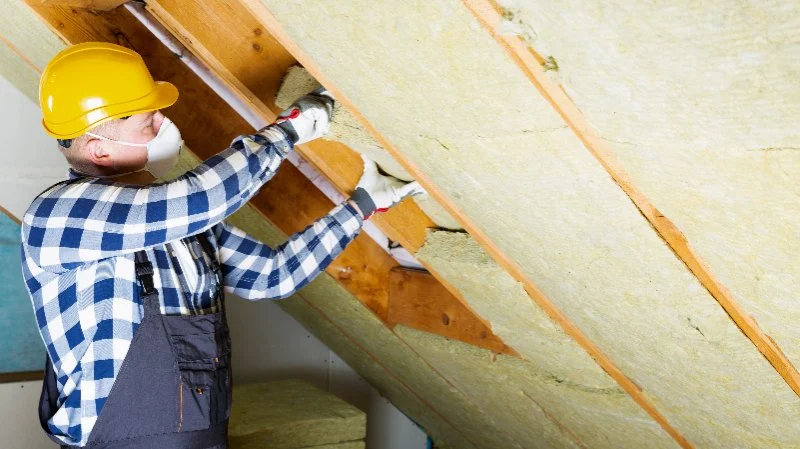
- 1. Why Roof Insulation Matters
- 2. Types of Roof Insulation
- 3. How Roof Insulation Works with the Rest of Your Roof System
- 4. Benefits of Proper Roof Insulation
- 5. How to Install Roof Insulation
- 6. Maintaining Your Roof Insulation
1. Why Roof Insulation Matters
Roof insulation is one of the most important elements of your home’s overall roofing system. It acts as a barrier against temperature extremes, helping maintain the indoor comfort level and energy efficiency of your home. Without proper insulation, your heating and cooling systems must work harder to maintain a comfortable environment, which leads to higher utility bills. Additionally, insulation helps prevent heat loss in winter and keeps your home cooler in the summer, making it a crucial investment for homeowners in colder climates like Canada.
Marlad Roofing & Siding Inc / marlad
BramptonRegional Municipality of PeelOntario
30 Hale Rd Unit 14, Brampton, ON L6W 4N9, Canada
2. Types of Roof Insulation
There are several types of roof insulation materials available, each with unique advantages. Here’s a breakdown of the most common options:
- Fiberglass Insulation: One of the most popular choices, fiberglass is cost-effective and offers excellent thermal performance. It’s easy to install and comes in batts, rolls, or loose-fill forms.
- Spray Foam Insulation: This type provides superior air sealing and insulation in one application. Spray foam expands to fill gaps and cracks, making it ideal for irregularly shaped areas.
- Cellulose Insulation: Made from recycled paper products, cellulose is eco-friendly and provides great coverage. It’s ideal for attic spaces and can be blown into place to cover hard-to-reach areas.
- Rigid Foam Insulation: Rigid foam boards are durable and moisture-resistant, making them a great option for areas that are prone to dampness, such as basements or crawl spaces.
3. How Roof Insulation Works with the Rest of Your Roof System
Roof insulation works hand-in-hand with the other components of your roofing system to provide an energy-efficient and well-functioning roof. Here’s how insulation integrates with other parts of the roof system:
- Roof Decking: The roof deck provides the structural foundation of your roof. Insulation helps maintain temperature stability and protects the decking from the damaging effects of extreme heat or cold.
- Underlayment: The underlayment is a waterproof barrier placed underneath the roofing materials. Insulation enhances the underlayment’s ability to protect the home from moisture and temperature changes.
- Roofing Shingles: Proper insulation ensures that the shingles remain intact for a longer period, preventing them from becoming brittle and cracking due to temperature fluctuations.
4. Benefits of Proper Roof Insulation
Investing in proper roof insulation provides numerous benefits for homeowners:
- Energy Efficiency: A well-insulated roof helps reduce heat loss in winter and keeps cool air in during the summer. This reduces the workload on your HVAC system, leading to lower energy bills.
- Improved Comfort: Roof insulation helps maintain a consistent indoor temperature, reducing drafts and ensuring a more comfortable living environment.
- Reduced Condensation: Proper insulation helps prevent moisture buildup in the attic, which can lead to mold, mildew, and rot. This can prolong the lifespan of your roof and protect your home from water damage.
- Environmental Benefits: Proper insulation reduces the need for excessive heating or cooling, which means fewer carbon emissions and a smaller environmental footprint.
5. How to Install Roof Insulation
Installing roof insulation is a complex process that should be done by a professional to ensure proper installation and avoid damaging the roof system. However, if you’re interested in understanding the steps, here’s a basic overview:
- Assess the Roof: Before installation, have your roof inspected to identify any areas that need repairs or additional insulation.
- Choose the Right Insulation: Select the type of insulation that best suits your needs based on climate, budget, and roof structure.
- Installation: The insulation is placed in the attic or between the roof joists. For spray foam, it’s applied directly to the surface, while batts or rolls are laid between the rafters.
6. Maintaining Your Roof Insulation
Regular maintenance is important to ensure your roof insulation continues to perform optimally. Here are some tips to maintain your insulation:
- Regular Inspections: Have your roof and insulation inspected annually to catch any damage or signs of wear early.
- Fix Leaks Promptly: Ensure that any leaks in your roof are repaired as soon as possible to prevent moisture from damaging the insulation.
- Ventilation: Proper ventilation in the attic can help prevent moisture buildup, which can reduce the effectiveness of your insulation.
 Acores Roofing Ltd.4.0 (36 reviews)
 Reliable Roofers4.0 (111 reviews)
 Galaxy Roofing INC4.0 (22 reviews)
 NorCan Roofing & Exteriors Inc.5.0 (20 reviews)
 Pro Torch Roofing4.0 (82 reviews)
 Oakwood Roofing & Sheet Metal Co Ltd4.0 (31 reviews)
 How Much Does a New Roof Cost in 2025? Canadian Roofing Price Guide
 Top Signs Your Roof Has a Leak and What to Do About It in Canada
 Can You Install a New Roof Over an Old One in Canada?
 The Top Questions to Ask Before Hiring a Roofer in Canada
 What Are the Most Common Roofing Scams and How to Avoid Them in Canada
 How to Prepare Your Home for a Roofing Project in Canada