
- eligibility-basics-low-income-roof-repair-assistance-canada - understanding who qualifies and why income thresholds matter
- government-programs-overview-roof-repair-grants-canada - federal and provincial support structures explained in depth
- how-to-apply-home-repair-financial-aid-canada - step-by-step application flow with real-world expectations
- common-challenges-emergency-roof-repair-funding-canada - delays, documentation issues, and approval barriers
- real-life-stories-and-practical-insights-roof-repair-support - homeowner experiences and lessons learned
Understanding Why Roof Repair Assistance Exists for Low-Income Households
Across Canada, weather conditions can be harsh enough to turn a small roof issue into a serious structural problem within a single season. Heavy snow loads, freeze-thaw cycles, and sudden windstorms can expose vulnerabilities in older homes, especially those owned by seniors or lower-income families. This is where low-income roof repair assistance in Canada becomes essential—not just as financial relief, but as a form of housing stability protection.
A leaking roof is rarely just a “roof problem.” It can quickly escalate into mold growth, insulation damage, electrical hazards, and long-term structural decay. Government-backed housing repair programs exist because delaying repairs often ends up costing more to the public system in emergency housing, health care, and relocation support.
In many communities, homeowners first discover these programs only after a crisis. One homeowner in rural Ontario shared how a winter storm caused a partial roof collapse, forcing the family into temporary shelter. Their recovery process involved navigating multiple funding sources—an experience that reflects how layered and regional these support systems can be.

J.R. Trory & Company Ltd / burrard roofing & drainage
North VancouverMetro VancouverBritish Columbia
1443 Crown St, North Vancouver, BC V7J 1G4, Canada
Eligibility Rules and How Income Level Impacts Approval
Income Thresholds and Household Size Considerations
Eligibility for roof repair grants in Canada is typically based on household income, family size, and property ownership status. Programs often prioritize seniors, disabled homeowners, and families living below regional median income levels.
What makes the system complex is that each province sets its own standards. For example, what qualifies as “low-income” in Alberta may differ significantly from British Columbia due to housing cost variations.
XACT Roof & Renovation Ltd. / xact roofing
227 Regent Ave W, Winnipeg, MB R2C 1R3, Canada
Property Condition and Safety Risk Assessment
Beyond income, inspectors often evaluate whether the roof poses immediate safety risks. A minor leak may receive lower priority compared to a roof with visible sagging or water intrusion affecting electrical systems.
Homeowners sometimes underestimate how detailed these assessments are. Inspectors may examine attic ventilation, structural beams, and insulation conditions before approving funding.
Government Housing Repair Programs Across Canada
Federal-Level Support Structures
At the federal level, housing support initiatives are often coordinated through broader affordability and infrastructure programs. While direct “roof-only” grants are rare, funding is frequently bundled under home repair or rehabilitation programs aimed at preserving safe living conditions.
These programs prioritize long-term habitability rather than cosmetic upgrades. This means roofing repairs must usually be tied to safety, energy efficiency, or structural preservation.
Provincial and Municipal Assistance Options
Provincial governments often provide more targeted assistance. Ontario, Quebec, and British Columbia, for instance, have localized home repair funding options designed for seniors and low-income homeowners.
Municipal housing departments may also offer emergency repair loans or forgivable grants. These are especially important in urban centers where housing density increases risk exposure during severe weather events.
In some cases, nonprofit housing organizations collaborate with local governments to provide partial funding or contractor coordination. This hybrid model helps speed up repairs when government budgets are stretched.
How to Apply for Home Repair Financial Aid Without Delays
Preparing Documentation Before Submission
One of the most common delays in emergency roof repair funding applications comes from incomplete documentation. Applicants are usually required to provide proof of income, property ownership records, tax filings, and repair estimates from licensed contractors.
A homeowner in Manitoba once shared that their application was delayed for six weeks simply because the contractor estimate lacked itemized labor costs. Small details like this often determine approval speed.
Inspection and Verification Stages
After submission, many programs require an official inspection. This step ensures that the requested funds align with actual repair needs. Inspectors may take photos, measure damage areas, and verify urgency levels.
This stage can feel slow, but it is crucial for preventing misuse of public funds and ensuring fairness in distribution.
Approval and Fund Disbursement Process
Once approved, funding may be issued directly to contractors rather than homeowners. This ensures that repairs are completed according to approved specifications.
In some cases, partial reimbursement models are used, where homeowners pay upfront and are later reimbursed after verification.
For homeowners exploring reliable contractor options and financial guidance, Pickering Roofing can be a helpful reference point for understanding realistic repair scopes and cost expectations before applying for assistance programs.
Common Challenges in Accessing Emergency Roof Repair Funding
Long Wait Times and Seasonal Backlogs
Winter and early spring are peak periods for roof damage claims. As a result, approval queues can become significantly longer during these months.
Some applicants report waiting several months before receiving final approval, especially in densely populated regions.
Mismatch Between Estimated and Approved Costs
Another frequent issue arises when approved funding does not fully cover contractor estimates. This forces homeowners to either supplement costs or adjust repair scopes.
Understanding this gap early can prevent financial stress later in the process.
Regional Inequality in Program Availability
Not all provinces offer equal levels of support. Rural areas may have fewer contractors participating in government programs, which can limit access even when funding is available.
This disparity has been widely discussed in housing policy circles, particularly after major storm events in Atlantic Canada highlighted infrastructure vulnerabilities.
Real-Life Stories That Show How These Programs Work in Practice
A retired couple in Nova Scotia faced repeated roof leaks that worsened each winter. With fixed pension income, they initially believed repairs were financially impossible. After applying for a provincial assistance program, they received partial funding that covered structural reinforcement and shingle replacement.
Their experience highlights a common pattern: many homeowners delay applying because they assume they won’t qualify, even when they actually meet eligibility criteria.
Another case from British Columbia involved a single-parent household whose roof was damaged during a windstorm. Emergency funding helped stabilize the structure within weeks, preventing displacement during the rainy season.
These stories demonstrate that while the system can be complex, it often provides meaningful relief when navigated correctly.
Practical Advice for Homeowners Considering Repair Assistance
Before applying, it helps to obtain multiple contractor estimates, understand regional program requirements, and prepare financial documentation in advance. Small preparation steps can significantly improve approval timelines.
It is also advisable to track seasonal patterns. Applying before peak winter damage periods may increase chances of faster processing.
For homeowners seeking additional guidance on planning repairs and understanding realistic costs, Pickering Roofing can serve as a useful reference point for comparing repair scenarios and contractor expectations.


 Adamson Roofing LTD.5.0 (1 reviews)
 Roof Revive Canada0.0 (0 reviews)
 Durable Roofing & Repairs5.0 (15 reviews)
 Al-Can Roofing4.0 (4 reviews)
 OTR Roofing Burlington5.0 (4 reviews)
 Tectra Group Inc.3.0 (8 reviews)
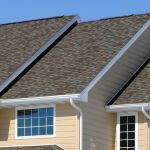 How Much Does a New Roof Cost in 2025? Canadian Roofing Price Guide
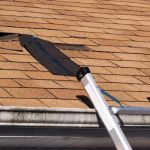 Top Signs Your Roof Has a Leak and What to Do About It in Canada
 Can You Install a New Roof Over an Old One in Canada?
 The Top Questions to Ask Before Hiring a Roofer in Canada
 What Are the Most Common Roofing Scams and How to Avoid Them in Canada
 How to Prepare Your Home for a Roofing Project in Canada