
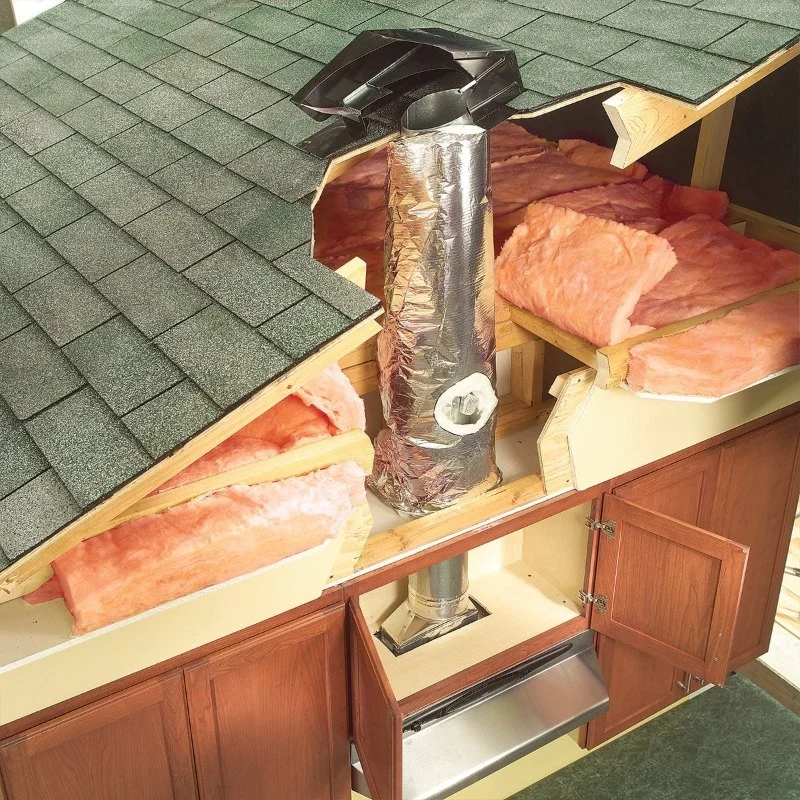
Range Hood Venting Through Roof in Canada: Best Practices and Condensation Prevention for Long-Term Home Protection
- -why-proper-range-hood-venting-through-roof-matters-in-canadian-climate
- -understanding-how-moisture-and-condensation-form-in-kitchen-duct-systems
- -best-practices-for-roof-vent-installation-in-range-hood-systems
- -how-canadian-winter-impacts-kitchen-exhaust-performance
- -real-home-case-study-of-condensation-damage-and-roof-repair
- -common-installation-mistakes-that-cause-moisture-problems
- -professional-techniques-for-condensation-prevention-in-ducting
- -choosing-the-right-materials-for-cold-weather-venting-systems
- -maintenance-strategies-to-protect-roof-vent-systems-long-term
- -when-to-call-roofing-and-ventilation-specialists-for-help
Why Proper Range Hood Venting Through Roof Matters in Canadian Climate
In Canada, kitchen ventilation is not just about removing cooking odors—it is about protecting the entire home structure from moisture damage. The topic of Range Hood Venting Through Roof in Canada: Best Practices and Condensation Prevention has become increasingly important as homeowners face harsher winters and more tightly sealed modern homes.
When a range hood is vented through the roof, warm humid air from cooking is pushed upward through ductwork. In cold climates, this temperature difference creates a high risk of condensation forming inside the ducts. Over time, this moisture can drip back into the kitchen or freeze inside the vent system.
Many Canadian homeowners only notice the problem after staining appears on ceilings or mold develops near vent openings. At that point, the issue is no longer just ventilation—it becomes a roofing concern as well.
Ottawa Eavestrough Group / eavestrough repair ottawa
340 Albert St, Ottawa, ON K1R 7Y6, Canada
Understanding How Moisture and Condensation Form in Kitchen Duct Systems
Temperature Difference Between Indoor Air and Roof Exterior
Condensation occurs when warm, moisture-heavy air meets cold surfaces. In winter, roof temperatures in Canada can drop far below freezing, while kitchen exhaust air may exceed 40–60°C during cooking. This creates ideal conditions for water vapor to condense inside duct walls.
GoldHill Roofing / goldhill
526 Welham Rd Unit 1, Barrie, ON L4N 8Z7, Canada
Long Vertical Duct Runs Increase Risk
Roof venting systems typically require long vertical duct runs. The longer the duct, the more surface area is exposed to cold temperatures, increasing the chance of condensation buildup.
Poor Insulation as a Hidden Cause
Many installations fail because duct insulation is insufficient or uneven. Even small gaps can create cold spots where moisture collects and eventually drips back down.
Best Practices for Roof Vent Installation in Range Hood Systems
Proper installation is the foundation of successful Range Hood Venting Through Roof in Canada: Best Practices and Condensation Prevention. The goal is to move air efficiently while preventing moisture accumulation at any stage of the duct path.
1. Use Short and Direct Duct Routes
The most efficient systems use the shortest possible path from hood to roof. Every unnecessary bend increases resistance and condensation risk.
2. Install Properly Sealed Roof Caps
A high-quality roof cap prevents backdrafts and minimizes rain or snow infiltration. In Canadian climates, this is essential for preventing freeze-thaw damage.
3. Ensure Continuous Insulation Around Ducts
Insulated ducting reduces temperature differences between exhaust air and exterior surfaces. This dramatically reduces condensation formation inside the system.
How Canadian Winter Impacts Kitchen Exhaust Performance
Winter conditions in Canada introduce unique challenges for ventilation systems. When outdoor temperatures drop significantly, warm air from cooking cools rapidly inside ducts, increasing condensation risk.
In extreme cold regions, such as Alberta or northern Ontario, poorly insulated ducts can even develop ice blockages. These blockages restrict airflow and reduce the efficiency of the range hood.
One homeowner in Toronto reported that during peak winter months, their kitchen vent system produced dripping water near the stove area. After inspection, technicians found frozen condensation inside the vertical duct leading to the roof vent.
Real Home Case Study of Condensation Damage and Roof Repair
A suburban homeowner in British Columbia experienced recurring moisture stains on their kitchen ceiling. Initially, they assumed it was a roofing leak and replaced shingles twice without resolving the issue.
Later, a ventilation specialist discovered the root cause: improper slope in the ducting combined with uninsulated metal pipes. Warm air was cooling too quickly before reaching the roof vent, causing water to accumulate inside the duct and leak downward.
The solution involved re-routing the duct system, adding full insulation, and installing a backdraft damper. After correction, the moisture issues stopped completely.
This case highlights why Range Hood Venting Through Roof in Canada: Best Practices and Condensation Prevention requires both roofing and HVAC knowledge—not just surface-level repairs.
Common Installation Mistakes That Cause Moisture Problems
One of the most frequent mistakes is using flexible ducting for long vertical runs. While flexible ducts are easier to install, they trap moisture and reduce airflow efficiency.
Another issue is poor sealing at roof penetration points. Even small air leaks can introduce cold air into the system, accelerating condensation inside the duct.
Improper slope direction is also common. Ducts should be angled slightly downward toward the exterior to allow any condensation to drain outside rather than back into the kitchen.
Professional Techniques for Condensation Prevention in Ducting
Fully Insulated Rigid Metal Ducting
Professionals typically recommend rigid metal ducts wrapped in insulation. This combination maintains airflow while reducing temperature variation inside the system.
Condensation Traps and Drain Points
Some advanced systems include drainage points that allow collected moisture to exit safely rather than accumulating inside the duct.
Airflow Balancing and Hood Calibration
Ensuring the range hood operates at optimal airflow prevents excessive cooling inside ducts, reducing condensation risk.
Choosing the Right Materials for Cold Weather Venting Systems
Material selection plays a critical role in system durability. Aluminum and galvanized steel are commonly used due to their resistance to heat and moisture.
However, in Canadian climates, insulation quality is often more important than material alone. Even the best duct material will fail if exposed to prolonged cold without proper insulation.
Many contractors now recommend double-layer insulated duct systems for homes in colder provinces.
Maintenance Strategies to Protect Roof Vent Systems Long-Term
Regular inspection of roof vent openings helps identify early signs of blockage or moisture buildup. Snow accumulation around vent caps should also be cleared safely during winter months.
Homeowners should also monitor kitchen airflow performance. A sudden drop in suction power often signals internal duct obstruction caused by condensation or debris.
Annual professional inspection ensures that both roofing and ventilation components remain in good condition.
When to Call Roofing and Ventilation Specialists for Help
If recurring condensation, ceiling stains, or airflow issues appear, it is important to seek professional evaluation rather than repeated DIY fixes.
Integrated systems require expertise in both roofing and HVAC principles. In many Canadian homes, collaboration between roofers and ventilation specialists is necessary for proper diagnosis.
Companies like Pickering Roofing often assist homeowners in resolving complex roof venting issues, especially when moisture damage intersects with structural roofing concerns.
Proper handling of Range Hood Venting Through Roof in Canada: Best Practices and Condensation Prevention ensures long-term protection of both kitchen functionality and roof integrity.


 Baraco Roofing Services Inc5.0 (4 reviews)
 Above All Roofing & Exteriors Inc.4.0 (183 reviews)
 East Coast Roofing2.0 (11 reviews)
 Gamma Roofing5.0 (1 reviews)
 Water Tight Roofing & Masonry5.0 (10 reviews)
 Top Grade Roofing & Siding0.0 (0 reviews)
 How Much Does a New Roof Cost in 2025? Canadian Roofing Price Guide
 Top Signs Your Roof Has a Leak and What to Do About It in Canada
 Can You Install a New Roof Over an Old One in Canada?
 The Top Questions to Ask Before Hiring a Roofer in Canada
 What Are the Most Common Roofing Scams and How to Avoid Them in Canada
 How to Prepare Your Home for a Roofing Project in Canada