
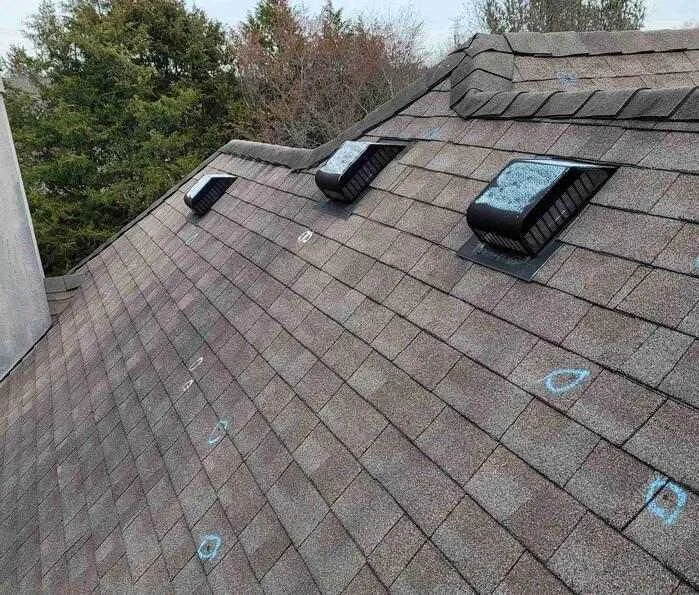
What Homeowners Should Know Before Starting a Roof Insurance Claim After a Storm in Canada
- Step-by-step-process-overview-what-to-expect-from-inspection-to-approval
- storm-damage-assessment-how-to-identify-roof-problems-before-filing-claim
- insurance-documentation-strategy-photos-videos-and-evidence-collection
- adjuster-meeting-preparation-how-to-communicate-damage-effectively
- claim-approval-and-repair-phase-understanding-payouts-and-contractors
Severe storms across Canada are becoming more unpredictable, especially in regions like Ontario, Alberta, and British Columbia where hail, wind uplift, and heavy snow cycles often damage roofing systems. Understanding how to file a roof insurance claim in Canada after storm damage is not just about paperwork—it’s about protecting one of the most expensive components of your home.
Many homeowners assume insurance will automatically cover everything, but the reality is more nuanced. Insurance companies rely heavily on documentation, timing, and accurate damage interpretation. This guide breaks down the entire process in a practical, real-world way so you can avoid delays, denials, or underpaid claims.

Step 1: Identifying Roof Storm Damage Before You Call Insurance
Understanding visible and hidden roof damage
After a storm, roof damage is not always obvious from the ground. Some homeowners only notice leaks weeks later. Common issues include lifted shingles, granule loss, cracked flashing, and subtle structural weakening caused by wind uplift.
In one real case from Calgary, a homeowner ignored minor shingle curling after a windstorm. Three months later, a second storm caused major leakage and interior drywall damage. The insurance company initially disputed the claim because early documentation was missing. This highlights why early inspection is critical.
Roof Rescue Ontario Inc. / trudel & sons roofing ltd
Whitchurch-StouffvilleRegional Municipality of YorkOntario
164 Hawthorn Ave, Whitchurch-Stouffville, ON L4A 4Y8, Canada
When you should inspect immediately
If your area experienced hail larger than a coin, wind speeds over 80 km/h, or heavy ice accumulation, it’s wise to inspect your roof within 24–48 hours. Even if no leaks are visible, underlying damage may still exist.
Many roofing professionals, including teams like Pickering Roofing, often emphasize that early inspection dramatically increases approval chances because it links damage directly to the storm event rather than normal aging.
Step 2: Documenting Damage for a Strong Insurance Claim
Why documentation determines claim success
Insurance companies rely on evidence more than verbal explanation. A strong claim usually includes timestamped photos, videos, weather reports, and written observations.
Think of documentation as telling a clear story: what happened, when it happened, and how the roof was affected.
How to properly record roof damage
Start with ground-level photos showing shingles, gutters, and visible debris. Then, if safely possible, take close-up shots of damaged areas. Avoid climbing onto unstable roofs—this should be handled by professionals.
A homeowner in Toronto once strengthened their claim by pairing drone footage with local weather data. This combination helped prove that hail impact occurred during a specific storm window, leading to full roof replacement approval instead of partial repair.
Step 3: Filing the Roof Insurance Claim in Canada
Understanding the claim submission process
Once documentation is ready, the next step is contacting your insurance provider. Most companies require a formal claim submission either online or through a claims agent.
You will typically need to provide:
1. Date of storm occurrence2. Description of observed damage3. Supporting photos and videos4. Policy number and property details
At this stage, clarity is essential. Avoid speculation and stick to facts. For example, instead of saying “roof is destroyed,” describe “visible shingle displacement and suspected underlayment exposure on the north slope.”
What happens after submission
After filing, the insurance company assigns an adjuster. This professional evaluates the damage in person and determines whether the claim is valid and how much compensation applies.
Step 4: Working With the Insurance Adjuster
How to prepare for the adjuster visit
The adjuster inspection is one of the most important stages of the entire process. Homeowners should ensure all documentation is ready and accessible.
It is helpful to walk the adjuster through your observations calmly and clearly. Highlight areas of concern but avoid exaggeration. Trust is key in this step.
Common mistakes homeowners make
One frequent mistake is failing to mention minor damage areas, assuming they are insignificant. However, adjusters often consider cumulative damage when making decisions.
Another issue is not having a professional roofing opinion present. Many homeowners who consult experts such as Pickering Roofing before the adjuster visit report smoother approvals and fewer disputes.
Step 5: Approval, Repair Estimates, and Contractor Selection
Understanding payout structure
Once approved, the insurance company issues an estimate. This may be partial or full coverage depending on policy terms, depreciation, and deductible amounts.
It is important to compare this estimate with real contractor quotes to ensure fairness. Sometimes, adjustments are needed if material or labor costs differ significantly.
Choosing the right roofing contractor
Selecting a qualified contractor is crucial. A strong roofing company will not only repair damage but also help ensure compliance with insurance standards.
Experienced providers like Pickering Roofing often assist homeowners by reviewing insurance scopes, identifying missing line items, and ensuring proper restoration rather than temporary fixes.
Real-World Example: Storm Damage Claim That Went Smoothly
A homeowner in Mississauga experienced severe wind uplift after a late autumn storm. Initially, the damage seemed minor—only a few shingles were missing. However, a professional inspection revealed underlying deck exposure and moisture intrusion.
Because the homeowner documented everything early, worked with a roofing specialist, and maintained clear communication with the adjuster, the claim was approved within three weeks. The entire roof was replaced with minimal out-of-pocket cost.
This case demonstrates how proper preparation can significantly improve outcomes when handling roof insurance claims in Canada after storm damage.
Practical Advice for Homeowners Dealing With Storm Damage Claims
Timing matters more than most people realize
Delays in reporting damage can weaken your claim. Insurance providers may argue that deterioration occurred after the storm event if too much time passes.
Professional inspection increases credibility
Having a licensed roofer assess damage early strengthens your claim by adding technical validation to your observations.
Clear communication reduces disputes
The more precise and factual your communication, the easier it is for adjusters to process your claim without delays or misunderstandings.
Understanding the Bigger Picture of Roof Protection in Canada
Storm-related roofing issues are becoming more common due to climate variability. As a result, homeowners are encouraged to treat roof maintenance and insurance readiness as ongoing responsibilities rather than emergency reactions.
Whether dealing with hail in Alberta or windstorms in Ontario, understanding the roof insurance claim process ensures faster recovery and reduced financial stress.
For homeowners seeking expert guidance, inspection support, or repair coordination, working with experienced roofing professionals such as Pickering Roofing can make the entire process more manageable and less stressful.

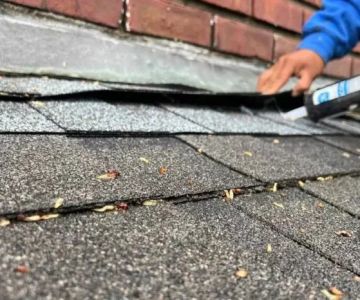
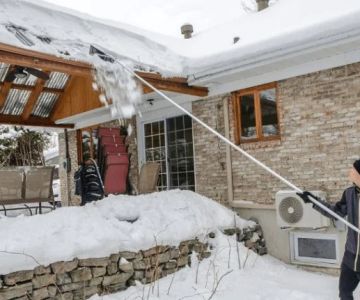

 Torham Exterior Solutions INC.5.0 (5 reviews)
 All Star Roofing5.0 (94 reviews)
 Frontier Roofing5.0 (22 reviews)
 Forest City Roofing4.0 (73 reviews)
 Scarborough Roofing Shingle, Flat & Metal Roofs0.0 (0 reviews)
 Trinity Roofing5.0 (2 reviews)
 How Much Does a New Roof Cost in 2025? Canadian Roofing Price Guide
 Top Signs Your Roof Has a Leak and What to Do About It in Canada
 Can You Install a New Roof Over an Old One in Canada?
 The Top Questions to Ask Before Hiring a Roofer in Canada
 What Are the Most Common Roofing Scams and How to Avoid Them in Canada
 How to Prepare Your Home for a Roofing Project in Canada