
- Understanding Emergency Roof Tarping - why temporary protection matters in Canada
- Average Emergency Roof Tarping Cost in Canada - pricing factors explained
- When You Need a Roof Tarp Immediately - storm, leak, and structural damage cases
- How Roof Tarp Installation Works - step-by-step emergency response process
- Real Canadian Weather Damage Cases - homeowner emergency stories
- Cost Factors That Influence Pricing - roof size, slope, and severity
- Risks of Delaying Roof Protection - water damage and structural issues
- Temporary vs Permanent Roof Repair Solutions - what homeowners should know
- Professional Emergency Help via Pickering Roofing - fast response solutions
Understanding Emergency Roof Tarping in Canada
In Canada, extreme weather conditions make roofing emergencies more common than many homeowners expect. High winds, heavy snow, ice accumulation, and sudden storms can all cause unexpected roof damage. This is where emergency roof tarping cost in Canada becomes an important topic for homeowners trying to protect their property quickly.
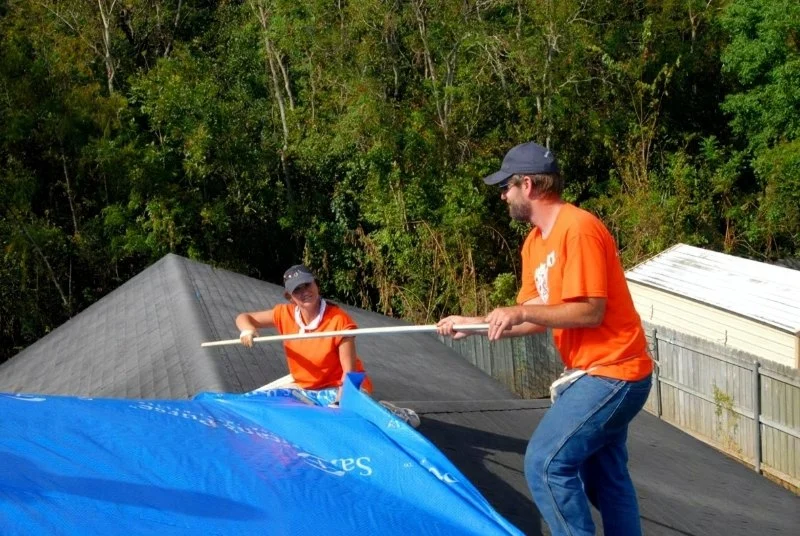
A roof tarp is a temporary protective covering placed over damaged sections of a roof to prevent water intrusion. It is not a permanent fix, but it plays a critical role in minimizing damage until full repairs can be completed.
When a roof begins leaking during a storm, immediate action is essential. Even a short delay can lead to water spreading into insulation, drywall, and electrical systems inside the home.
In many Canadian regions, especially Ontario and British Columbia, emergency tarping services are often requested during winter freeze-thaw cycles when roofs are under extreme stress.
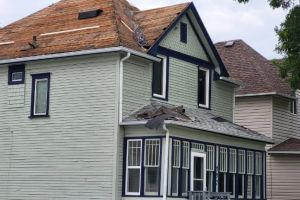
XACT Roof & Renovation Ltd. / xact roofing
227 Regent Ave W, Winnipeg, MB R2C 1R3, Canada
Average Emergency Roof Tarping Cost in Canada
The emergency roof tarping cost in Canada varies depending on several factors, but most homeowners can expect a general range based on roof size and severity of damage.
Small residential roof tarp installations may cost less, while larger homes or steep roofs can significantly increase pricing due to labor complexity and safety requirements.
Weather conditions also play a major role. Emergency calls during storms, nighttime hours, or extreme cold often involve additional service fees due to risk and urgency.
A homeowner in Toronto reported paying a higher-than-average fee during a winter storm because crews had to install the tarp on icy surfaces under hazardous conditions. While the cost was higher, it prevented thousands of dollars in interior water damage.
Understanding pricing ahead of time helps homeowners make faster decisions when emergencies occur.
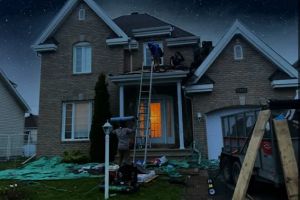
Toiture TNT / Gatineau Outaouais / avis sur toiture tnt / gatineau outaouais
1700 Rue Schryer, Gatineau, QC J8R 1S2, Canada
When You Need Emergency Roof Tarping Immediately
Not every roof issue requires immediate tarping, but certain situations demand urgent action. Active leaks during rainfall are one of the clearest signs that temporary protection is needed.
Storm damage that exposes the roof deck or creates missing shingle sections also requires immediate coverage to prevent water intrusion.
In winter conditions, ice dam formation can cause sudden leaks that spread rapidly into ceilings and walls.
A homeowner in Alberta experienced rapid roof leakage after a windstorm removed part of their shingles. Within hours, water began entering the attic space, making emergency tarping essential to prevent structural damage.
In these situations, delaying service often leads to much higher repair costs later.
How Emergency Roof Tarp Installation Works
The roof tarping process is designed to provide fast and effective temporary protection. Professional crews first assess the damaged area to determine the safest installation approach.
Once the area is inspected, heavy-duty waterproof tarps are secured over the damaged section using nails, boards, or weighted anchoring systems depending on roof type.
Proper sealing is important to prevent wind from lifting the tarp and allowing water underneath. Crews often extend tarp coverage beyond the damaged area to ensure full protection.
In many cases, emergency installation can be completed within a few hours, depending on weather conditions and roof accessibility.
This quick response is one of the reasons homeowners rely on emergency tarping as a first line of defense.
Real Canadian Roof Damage Emergency Cases
In one real case from British Columbia, a homeowner faced severe roof damage after a heavy windstorm tore off multiple shingles. Rain began entering the attic, threatening insulation and electrical systems.
Emergency tarping was installed within hours, preventing further water intrusion until full repairs were scheduled.
In another case in Ontario, rapid snow accumulation caused partial roof collapse risk on an older home. Temporary tarping helped stabilize exposed areas and redirect melting snow runoff.
These examples highlight how critical emergency roof protection is in Canadian weather conditions, where delays can quickly escalate damage.
Homeowners often underestimate how fast water spreads once it enters roof structures, especially during freeze-thaw cycles.
Key Factors That Affect Roof Tarping Cost
Several factors influence emergency roof tarping cost in Canada, starting with roof size and complexity. Larger roofs require more material and labor, increasing total cost.
Roof slope is another major factor. Steep or high-pitched roofs require additional safety equipment and time, which can increase service pricing.
Damage severity also affects cost. Minor leaks may require smaller tarp coverage, while extensive storm damage may require full roof section protection.
Weather conditions at the time of service also impact pricing, especially during emergency nighttime or extreme weather deployments.
Understanding these variables helps homeowners anticipate costs more realistically during emergencies.
Risks of Delaying Roof Emergency Protection
Delaying roof tarping after damage can lead to serious structural and financial consequences. Water intrusion can quickly damage insulation, drywall, and framing.
Mold growth is another major risk, especially in humid or poorly ventilated attic spaces. Mold can begin forming within days of water exposure.
Electrical systems may also be affected if water reaches wiring or fixtures inside the structure.
A homeowner in Manitoba delayed emergency tarping after a storm, resulting in widespread ceiling damage and mold remediation costs that far exceeded initial roofing repair estimates.
This demonstrates why immediate temporary protection is often more cost-effective than waiting for full repairs.
Temporary Tarping vs Permanent Roof Repair
Emergency roof tarping is not a replacement for permanent roof repair. It is a short-term solution designed to protect the home until full restoration can be completed.
Permanent repairs involve replacing shingles, repairing underlayment, and restoring structural components of the roof system.
Temporary tarping simply prevents additional damage during the waiting period between emergency and full repair scheduling.
Homeowners should view tarping as a protective bridge rather than a final solution.
Proper planning ensures that temporary protection transitions smoothly into long-term roof restoration.
Emergency Roofing Help via Pickering Roofing
Understanding emergency roof tarping cost in Canada helps homeowners prepare for unexpected roofing emergencies, but professional support is often essential during real situations.
Pickering Roofing provides emergency response services designed to quickly secure damaged roofs and prevent further water intrusion.
Whether dealing with storm damage, winter leaks, or sudden structural exposure, professional tarping ensures safety and effective temporary protection.
In the end, fast response is the most important factor in minimizing roofing damage and controlling long-term repair costs.


 Shamrock Roofing Calgary0.0 (0 reviews)
 Denali Exteriors4.0 (41 reviews)
 Custom Contracting Eavestrough Repair Hamilton4.0 (11 reviews)
 Transcona Roofing4.0 (61 reviews)
 Superstars Roofing5.0 (2 reviews)
 Knm Roofing Inc.5.0 (3 reviews)
 How Much Does a New Roof Cost in 2025? Canadian Roofing Price Guide
 Top Signs Your Roof Has a Leak and What to Do About It in Canada
 Can You Install a New Roof Over an Old One in Canada?
 The Top Questions to Ask Before Hiring a Roofer in Canada
 What Are the Most Common Roofing Scams and How to Avoid Them in Canada
 How to Prepare Your Home for a Roofing Project in Canada