
- 1-Understanding Roofing Permits in Canada
- 2-Provincial Rules That Affect Roof Replacement
- 3-Municipal Roofing Regulations and Local Variations
- 4-When You Actually Need a Permit for Roof Replacement
- 5-Risks of Skipping Roofing Permits
- 6-Real-Life Roofing Permit Cases in Canada
- 7-How Homeowners Can Stay Compliant
- 8-Professional Roofing Support and Guidance
1. Understanding Roofing Permits in Canada
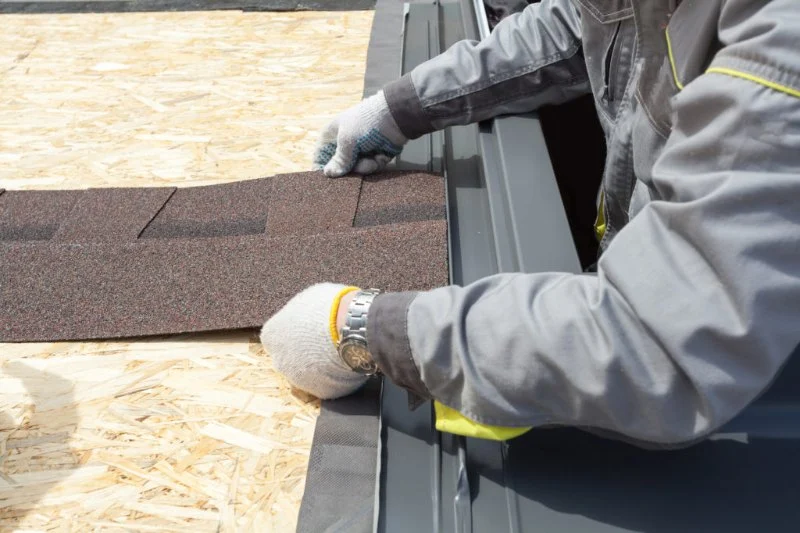
When homeowners start asking Do You Need a Permit to Replace a Roof in Canada?, the answer is not as simple as yes or no. Roofing regulations in Canada depend heavily on where you live, the type of roofing work being done, and whether structural changes are involved. In many cases, basic roof replacement like swapping shingles does not require a permit, but once structural components are touched, rules change quickly.
Toitures Garant et Frères Inc / toiture garant
LévisChaudière-AppalachesQuébec
6615 Rue Alfred-Pellan, Lévis, QC G6V 9S9, Canada
1.1 Why Roofing Permits Exist
Roofing permits are designed to ensure safety, energy efficiency, and compliance with building codes. Canada’s climate variations—from heavy snow in Ontario to coastal rain in British Columbia—mean roofing standards are taken seriously to prevent structural failures and water damage.
Marlad Roofing & Siding Inc / marlad
BramptonRegional Municipality of PeelOntario
30 Hale Rd Unit 14, Brampton, ON L6W 4N9, Canada
1.2 What Homeowners Often Misunderstand
Many homeowners assume “like-for-like replacement” automatically requires no permit. However, this is not always true. Even changing materials, adding insulation layers, or altering ventilation systems can trigger permit requirements depending on the municipality.
2. Provincial Rules That Affect Roof Replacement
Each Canadian province sets its own baseline building code, which municipalities then refine. This creates a layered legal system that directly impacts roofing projects.
2.1 Ontario Roofing Rules
Ontario follows the Ontario Building Code, which generally does not require a permit for simple re-shingling. However, structural changes, roof slope modifications, or insulation upgrades typically require approval.
2.2 British Columbia Regulations
British Columbia enforces strict energy efficiency standards. Even roof replacements may require permits if insulation or ventilation systems are upgraded. This is especially common in Vancouver where energy compliance is heavily enforced.
2.3 Alberta and Prairie Provinces
In Alberta, Saskatchewan, and Manitoba, permits are usually required only for structural roofing work. However, municipalities may enforce additional inspection requirements due to snow load concerns.
2.4 Quebec’s Distinct System
Quebec municipalities often have unique bylaws. In cities like Montreal, roofing permits are frequently required even for partial replacements, especially in older residential zones.
3. Municipal Roofing Regulations and Local Variations
Even within the same province, roofing rules can change dramatically depending on the city or town. Municipal governments enforce building safety through inspections and permits.
3.1 Why Cities Set Their Own Rules
Local authorities adjust roofing regulations based on weather exposure, housing density, and historical building standards. Coastal areas, for example, may require stronger wind resistance standards.
3.2 Example of Municipal Differences
A homeowner in Toronto replacing shingles may not need a permit, while a homeowner in a nearby suburb might require one if insulation layers are altered. These differences often surprise first-time renovators.
3.3 Inspection Requirements
Even when permits are not required, some municipalities still require post-work inspections to ensure compliance with safety codes and warranty standards.
4. When You Actually Need a Permit for Roof Replacement
Understanding the exact triggers for permits helps avoid legal and financial issues. Roofing work falls into different categories depending on complexity.
4.1 Structural Changes
If the roof framing, trusses, or load-bearing elements are modified, a permit is almost always required. This ensures the structure can handle snow, wind, and environmental stress.
4.2 Material Upgrades or Changes
Switching from asphalt shingles to metal roofing or heavier materials may require approval due to load differences.
4.3 Insulation and Energy Efficiency Work
Upgrading insulation often triggers permit requirements under energy compliance laws, particularly in British Columbia and Ontario.
4.4 Full Roof Replacement vs Partial Repairs
Partial repairs typically do not require permits, but full replacements may depending on the municipality and project scope.
5. Risks of Skipping Roofing Permits
Skipping permits may seem like a shortcut, but it can create serious long-term consequences for homeowners.
5.1 Legal Penalties
Municipalities can issue fines or require expensive retroactive permits if unapproved work is discovered during inspections or property sales.
5.2 Insurance Complications
Insurance companies may refuse claims if roofing work was performed without proper permits, especially if damage is related to the unapproved work.
5.3 Resale Value Issues
Unpermitted roofing work can delay or reduce home resale value, as buyers often request proof of compliance before closing deals.
6. Real-Life Roofing Permit Cases in Canada
Real experiences show how permit rules affect homeowners in practical situations.
6.1 Case Study: Missed Permit in Ontario
A homeowner in Ontario replaced their roof with upgraded materials without checking permit rules. During resale, the buyer requested documentation, and the seller had to apply for a retroactive inspection, delaying the sale by weeks.
6.2 Case Study: Vancouver Energy Compliance Issue
In Vancouver, a homeowner upgraded roofing insulation without a permit. The city required corrective inspection work, increasing overall project costs significantly.
6.3 Case Study: Alberta Storm Damage Repair
A Calgary homeowner replaced storm-damaged shingles without structural changes and avoided permits entirely because the work fell under emergency repair exemptions.
7. How Homeowners Can Stay Compliant
Staying compliant with roofing regulations is easier when homeowners follow a structured approach before starting any project.
7.1 Contact Local Building Authorities
Before starting any roofing work, checking with the municipal building office ensures clarity on permit requirements.
7.2 Request Contractor Guidance
Professional roofers often understand local rules better than homeowners and can help determine whether permits are required.
7.3 Keep Documentation
All invoices, material details, and inspection reports should be stored for future resale or insurance claims.
7.4 Plan for Inspections
Even when not required, voluntary inspections can provide peace of mind and confirm compliance with safety standards.
8. Professional Roofing Support and Guidance
Understanding roofing regulations can be overwhelming, especially when dealing with different provincial and municipal rules. This is where professional guidance becomes valuable.
8.1 Expert Roofing Consultation
Services like Pickering Roofing help homeowners assess whether permits are required before starting any project, reducing legal and financial risks.
8.2 Compliance-Focused Planning
Professional roofers ensure that all materials, structural work, and installation methods align with Canadian building codes.
8.3 Long-Term Value Protection
Properly permitted roofing work protects home value, ensures insurance validity, and reduces future legal complications during resale.
By understanding provincial and municipal differences, homeowners can confidently answer the question Do You Need a Permit to Replace a Roof in Canada? and make informed decisions before starting any roofing project while ensuring compliance and long-term property protection.



 Shamrock Roofing Calgary0.0 (0 reviews)
 Denali Exteriors4.0 (41 reviews)
 Custom Contracting Eavestrough Repair Hamilton4.0 (11 reviews)
 Transcona Roofing4.0 (61 reviews)
 Superstars Roofing5.0 (2 reviews)
 Knm Roofing Inc.5.0 (3 reviews)
 How Much Does a New Roof Cost in 2025? Canadian Roofing Price Guide
 Top Signs Your Roof Has a Leak and What to Do About It in Canada
 Can You Install a New Roof Over an Old One in Canada?
 The Top Questions to Ask Before Hiring a Roofer in Canada
 What Are the Most Common Roofing Scams and How to Avoid Them in Canada
 How to Prepare Your Home for a Roofing Project in Canada