
- sagging-roof-deck-in-canada-early-warning-signs-and-what-they-mean
- common-causes-of-roof-structural-weakness-in-cold-climates
- how-moisture-and-snow-load-damage-roof-decking
- how-serious-is-a-sagging-roof-deck-risk-level-explained
- real-homeowner-case-stories-from-canadian-winter-damage
- repair-vs-replacement-what-homeowners-should-consider
- how-to-prevent-roof-deck-sagging-long-term-strategies
Understanding a Sagging Roof Deck in Canada and Why It Should Never Be Ignored
A sagging roof deck in Canada is more than just a cosmetic issue—it’s often a visible signal that something deeper is happening within your home’s structure. In many Canadian regions, roofs are constantly exposed to heavy snow loads, freezing temperatures, and repeated thaw cycles. Over time, these conditions can quietly weaken the structural integrity of roof decking.
Homeowners often notice the problem only after it becomes visually obvious: a dip in the roofline, uneven surfaces, or interior ceiling distortion. By the time these signs appear, the underlying issue may already be advanced. This is why roofing professionals emphasize early inspection and proactive maintenance.
At Pickering Roofing, roof sagging is one of the most commonly reported structural concerns during post-winter inspections, especially in older homes or properties with insufficient attic ventilation.
XACT Roof & Renovation Ltd. / xact roofing
227 Regent Ave W, Winnipeg, MB R2C 1R3, Canada
What Causes Roof Deck Sagging in Cold Canadian Climates
Heavy Snow Load and Structural Pressure
One of the most significant contributors to roof deck sagging is prolonged snow accumulation. Unlike lighter climates, Canadian winters can place continuous pressure on roofing structures for months at a time.
When snow builds up, it increases weight stress on rafters and sheathing. Even if the structure was originally built to code, repeated seasonal stress can gradually weaken load-bearing components.
A real case often seen in Ontario involves homeowners noticing slight roof dips after particularly harsh winters, such as those with repeated snowstorms followed by freezing rain. Over time, these small dips become more noticeable.

Custom Contracting Burlington Roofing & Eavestrough Repair Burlington / eavestrough burlington
BurlingtonRegional Municipality of HaltonOntario
687 Waterloo St, Burlington, ON L7R 2S9, Canada
Moisture Intrusion and Roof Deck Rot
Moisture is another silent but destructive factor. When melting snow seeps beneath shingles due to ice dams or poor sealing, it can reach the roof decking and cause gradual rot.
Once wood absorbs moisture, it loses strength. This weakening can lead to localized sagging that spreads if not addressed quickly.
Poor Attic Ventilation and Heat Imbalance
Improper ventilation allows warm indoor air to rise and melt snow unevenly on the roof. This leads to refreezing cycles and ice dam formation, which traps water and forces it under roofing materials.
In many cases, the issue isn’t the roof material itself but the airflow imbalance inside the attic space.
How Serious Is a Sagging Roof Deck Really?
Minor Sagging vs Structural Failure
Not all sagging means immediate collapse risk, but it should never be ignored. Minor deflection may indicate early-stage moisture damage or localized stress. However, visible dips across large sections of the roof may indicate serious structural compromise.
The challenge is that homeowners often underestimate early warning signs because the roof still appears functional from the ground.
Risk of Progressive Damage Over Time
A sagging roof rarely stabilizes on its own. Instead, it tends to worsen with each seasonal cycle. Snow, rain, and temperature fluctuations continue to stress weakened areas, accelerating deterioration.
This is why roofing specialists recommend inspections after major storms or heavy snowfall seasons, especially in regions like Ontario, Alberta, and Quebec.
Interior Damage Indicators
Inside the home, sagging roof decks can lead to cracked drywall, misaligned doors, or visible ceiling waves. These signs often appear before homeowners realize the roof itself is compromised.
Real Case Example: Winter Stress on an Older Home
A homeowner in Southern Ontario noticed a subtle dip in the roofline after several heavy snowfalls. Initially, it was dismissed as a visual illusion caused by lighting. However, months later, water stains appeared on the upstairs ceiling following a thaw cycle.
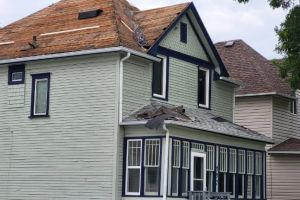
Inspection revealed that repeated ice dam formation had allowed moisture to seep into the roof decking, weakening a section of the plywood sheathing. The sagging was localized but required partial replacement of the affected area.
This type of scenario is not uncommon, especially in homes built decades ago when ventilation standards were less advanced than today.
Repair or Full Replacement: What Homeowners Should Consider
When Repairs Are Enough
If sagging is limited to a small section and the underlying rafters are still structurally sound, targeted repairs may be sufficient. This typically involves replacing damaged decking and reinforcing affected supports.
When Replacement Becomes Necessary
If sagging is widespread or structural beams are compromised, a full roof replacement may be the safest long-term solution. This ensures the entire system is rebuilt to current building standards.
At Pickering Roofing, professional assessments often reveal that early intervention can significantly reduce long-term costs compared to delayed replacement.
How to Prevent Roof Deck Sagging Before It Starts
Regular Roof Inspections
Routine inspections, especially before and after winter, help identify small issues before they escalate. Early detection of lifted shingles, minor leaks, or ventilation issues can prevent structural damage.
Improving Attic Ventilation Systems
Balanced airflow reduces uneven snow melting and minimizes ice dam formation. Proper intake and exhaust ventilation is essential for maintaining roof health in cold climates.
Snow Management Strategies
In regions with heavy snowfall, controlled snow removal from roofs can reduce excessive structural load. This is particularly important for low-slope or older roofs.
Moisture Barrier Protection
Installing high-quality underlayment materials helps prevent water intrusion even when surface layers are compromised.
Why Early Action Matters More Than Homeowners Realize
The most important aspect of dealing with a sagging roof deck in Canada is timing. Structural issues rarely remain stable, especially in climates with extreme seasonal changes. What begins as a minor dip can evolve into a major repair project if ignored.
Many homeowners delay inspections because the roof still appears functional, but roofing professionals consistently find that visible sagging often represents years of hidden stress.
For homeowners who want a professional evaluation or preventive guidance, Pickering Roofing offers expertise in identifying early structural warning signs and recommending appropriate solutions before damage spreads further.



 CHR Roofing3.0 (36 reviews)
 Redeemed 1 Roofing and Gutter Services5.0 (3 reviews)
 Toiture ABC5.0 (25 reviews)
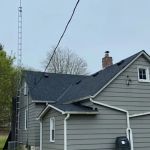 Gold Standard Exteriors - Orangeville, Caledon and Mono Roofing, Eavestrough and Siding4.0 (22 reviews)
 Brown Brother Roofing & Exterior Finishing4.0 (16 reviews)
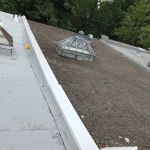 Toitures Lefrançois5.0 (1 reviews)
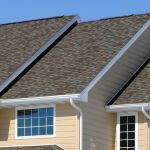 How Much Does a New Roof Cost in 2025? Canadian Roofing Price Guide
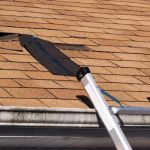 Top Signs Your Roof Has a Leak and What to Do About It in Canada
 Can You Install a New Roof Over an Old One in Canada?
 The Top Questions to Ask Before Hiring a Roofer in Canada
 What Are the Most Common Roofing Scams and How to Avoid Them in Canada
 How to Prepare Your Home for a Roofing Project in Canada