
Why Roof Certification Has Become a Decisive Factor in Canadian Home Sales
- Roof-Certification-for-Home-Sales-in-Canada-realtor-expectations - What realtors and buyers expect from roof inspection reports - How certification impacts trust and transaction speed
- Roof-Certification-for-Home-Sales-in-Canada-inspection-standards - Structural roofing checks, material lifespan, and inspection criteria - Why Canadian weather conditions increase roofing scrutiny
- Roof-Certification-for-Home-Sales-in-Canada-real-estate-cases - Real home sale stories where roofing changed negotiations - How hidden roof issues affect pricing and closing deals
- Roof-Certification-for-Home-Sales-in-Canada-buyer-perspective - What buyers look for in certified roofing reports - Risk perception and investment confidence
- Roof-Certification-for-Home-Sales-in-Canada-Pickering-Roofing-role - How professional roofing services support certification readiness - Maintenance and pre-sale inspection strategies
Why Roof Certification Matters in Today’s Canadian Real Estate Market
In the Canadian housing market, roof certification has evolved from a “nice-to-have” document into a critical factor influencing home sales. Buyers are no longer satisfied with surface-level home listings; they expect verified structural integrity, especially when it comes to roofing systems that directly protect the entire property from harsh weather conditions.
The phrase Roof Certification for Home Sales in Canada: What Buyers and Realtors Expect reflects a growing shift in real estate transparency. In cities like Toronto, Vancouver, and Calgary, realtors increasingly recommend pre-sale roof inspections to avoid negotiation breakdowns and last-minute price reductions.
Roof Rescue Ontario Inc. / trudel & sons roofing ltd
Whitchurch-StouffvilleRegional Municipality of YorkOntario
164 Hawthorn Ave, Whitchurch-Stouffville, ON L4A 4Y8, Canada
Why roofing has become a central trust factor
Canadian weather plays a major role in this shift. Heavy snowfall, ice accumulation, freeze-thaw cycles, and seasonal storms put constant stress on roofing structures. As a result, even minor roof issues can escalate into costly repairs if not addressed early.
Buyers today are more informed than ever. Many will walk away from a deal if a roof certification is missing or unclear, especially in competitive markets where alternative listings are readily available.
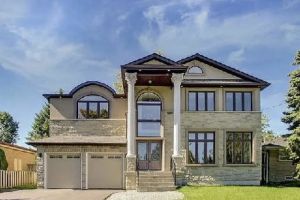
Custom Contracting Burlington Roofing & Eavestrough Repair Burlington / eavestrough burlington
BurlingtonRegional Municipality of HaltonOntario
687 Waterloo St, Burlington, ON L7R 2S9, Canada
What Buyers and Realtors Expect from Roof Certification Reports
A roof certification is not just a visual inspection checklist. It is a professional assessment that communicates the current condition, expected lifespan, and potential risk level of a roofing system. Both buyers and realtors rely heavily on these reports to make informed decisions.
Key expectations from buyers
Buyers typically look for three things in a roofing certification: clarity, credibility, and risk assessment. They want to know whether the roof is structurally sound, whether repairs are needed, and how long it will last under normal conditions.
A vague or incomplete report can raise immediate concerns. On the other hand, a detailed certification builds confidence and can even strengthen a buyer’s willingness to meet the asking price.
What realtors prioritize during transactions
Realtors view roof certification as a negotiation tool. A well-documented roof inspection reduces uncertainty and prevents deals from collapsing during the final stages of closing.
In competitive listings, agents often recommend obtaining certification before listing the property. This proactive approach helps streamline the sales process and attracts more serious buyers.
Inspection Standards Behind Roof Certification in Canada
The standards for roof certification in Canada are shaped by environmental demands and building regulations. Inspectors evaluate multiple components of a roofing system to determine its overall condition and safety level.
Structural integrity and surface evaluation
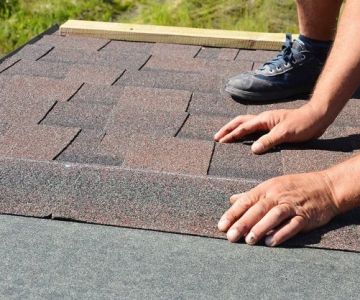
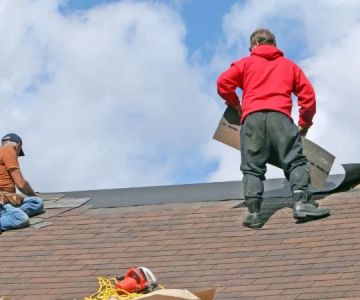
Inspectors begin by assessing the visible condition of shingles, tiles, or metal panels. They look for curling, cracking, missing sections, or signs of wear that may indicate aging materials or weather damage.
Flashing, vents, chimneys, and gutters are also carefully examined because these areas are common sources of leaks and long-term water damage.
Weather impact considerations
Unlike many other countries, Canada’s roofing systems must withstand extreme seasonal variation. Freeze-thaw cycles can cause expansion and contraction in roofing materials, leading to hidden structural weaknesses.
Snow load capacity is another critical factor. Roofs must be able to support heavy snow accumulation without sagging or structural compromise.
Longevity and maintenance history
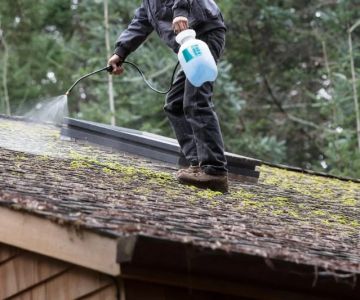
A complete roof certification also considers maintenance records. Regular upkeep such as shingle replacement, gutter cleaning, and leak repairs significantly improves certification outcomes.
Real Estate Case: How a Roof Changed a Home Sale in Ontario
In a recent Ontario property transaction, a detached home initially received strong interest from multiple buyers. However, during the inspection phase, concerns arose about the roof’s condition after signs of moisture intrusion were detected in the attic.
The buyer requested a roof certification before proceeding. The inspection revealed that while the roof was not failing, it was nearing the end of its functional lifespan and would likely require replacement within a few years.
As a result, the buyer negotiated a price reduction to account for future roofing costs. Without certification, the seller might have overvalued the property and risked losing the deal entirely.
What this case reveals about modern buyers
This scenario highlights how informed buyers have become. They are not only purchasing a home—they are evaluating long-term maintenance risks. Roofing plays a central role in that calculation.
Properties with transparent roof certification tend to sell faster and with fewer disputes during closing.
Buyer Psychology: Why Roof Condition Influences Decisions
When buyers evaluate a home, the roof is often subconsciously associated with security and financial risk. A well-maintained roof signals stability, while uncertainty creates hesitation.
Risk perception and financial planning
A new homeowner typically budgets carefully for mortgage payments, taxes, and maintenance. Unexpected roof repairs can significantly disrupt that financial plan, sometimes costing thousands of dollars.
Because of this, buyers often prefer homes with certified roofs, even if the asking price is slightly higher.
Emotional trust in the property
A certified roof creates emotional reassurance. Buyers feel more confident moving forward when major structural elements are professionally verified.
This emotional factor often influences decision-making as much as technical inspection data.
How Realtors Use Roof Certification Strategically
Experienced realtors understand that roof certification can be used strategically during negotiations. A certified roof reduces uncertainty and strengthens the seller’s position in competitive markets.
Pre-listing advantages
When sellers obtain certification before listing, it minimizes surprises during buyer inspections. This proactive step often leads to smoother transactions and fewer renegotiations.
Reducing deal fallout during closing
One of the most common reasons real estate deals collapse is unexpected inspection findings. Roof certification reduces this risk by addressing concerns early in the process.
Role of Pickering Roofing in Certification Readiness
Preparing a home for sale often involves more than just inspection—it requires professional preparation. Services like Pickering Roofing help homeowners ensure their roof meets certification standards before entering the market.
This includes identifying weak points, performing necessary repairs, and offering maintenance strategies that improve overall roof condition.
Pre-sale roofing improvements
Small upgrades such as replacing damaged shingles, sealing flashing, or improving drainage systems can significantly impact certification results.
These improvements not only increase property value but also reduce negotiation friction during sales.
Long-term value protection
Even beyond home sales, maintaining a certified-quality roof protects long-term property value. It reduces unexpected repair costs and enhances structural reliability.
What the Future Holds for Roof Certification in Canada
As real estate markets become more data-driven, roof certification is expected to become even more standardized and digitally documented. Buyers will likely demand instant access to inspection history and maintenance records before scheduling viewings.
This shift will further increase the importance of professional roofing services and transparent inspection reporting.
For homeowners planning to sell, understanding Roof Certification for Home Sales in Canada: What Buyers and Realtors Expect is no longer optional—it is essential for competitive positioning in the market.
Taking proactive steps with trusted roofing professionals such as Pickering Roofing can make the difference between a delayed listing and a successful, high-value sale.

 Fort Property Construction And Renovations5.0 (31 reviews)
 Roofing Monkeys4.0 (110 reviews)
 Den's Roofing5.0 (1 reviews)
 Done Rite Roofing4.0 (39 reviews)
 Irvine Roofing And Siding - Roofing Contractor3.0 (20 reviews)
 Bullarco5.0 (9 reviews)
 How Much Does a New Roof Cost in 2025? Canadian Roofing Price Guide
 Top Signs Your Roof Has a Leak and What to Do About It in Canada
 Can You Install a New Roof Over an Old One in Canada?
 The Top Questions to Ask Before Hiring a Roofer in Canada
 What Are the Most Common Roofing Scams and How to Avoid Them in Canada
 How to Prepare Your Home for a Roofing Project in Canada