
- 1-Environmental-and-Urban-Benefits
- 2-Stormwater-Management-Advantages
- 3-Energy-Savings-and-Insulation-Benefits
- 4-Design-and-Maintenance-Tips
- 5-Case-Studies-in-Canadian-Cities
- 6-Economic-and-Community-Impact
- 7-Professional-Services-and-Recommendations
- 8-Future-Trends-in-Green-Roofs-Canada
1. Environmental and Urban Benefits
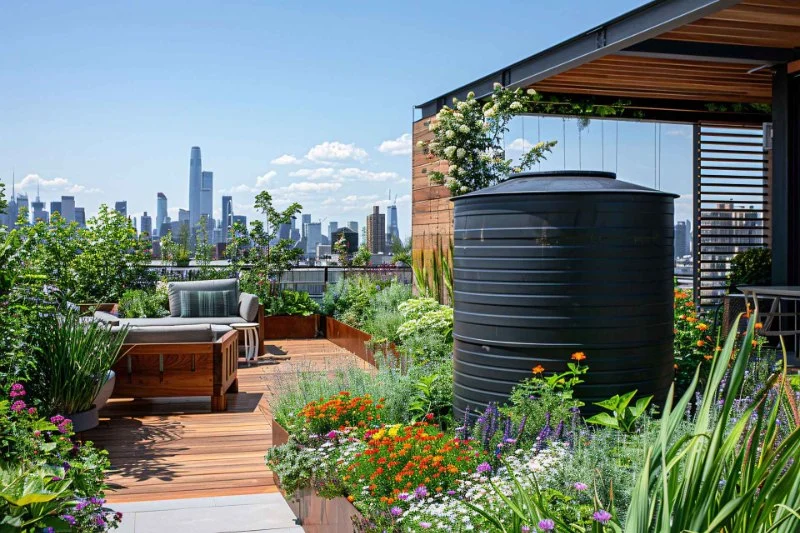
Rooftop gardens, also known as green roofs, have become increasingly popular in Canadian cities due to their substantial environmental and urban advantages. They act as natural filters for the air, absorbing carbon dioxide while releasing oxygen, which contributes to cleaner urban air. In densely populated areas such as Toronto, Vancouver, and Montreal, green roofs provide a vital buffer against urban heat islands by cooling buildings and surrounding areas.
Additionally, rooftop gardens support biodiversity by providing habitats for birds, pollinators, and beneficial insects. Even small installations can create micro-ecosystems that improve urban ecological balance. Residents and city planners alike have observed that these green installations make urban spaces more aesthetically pleasing while enhancing mental health through access to greenery and outdoor relaxation areas.
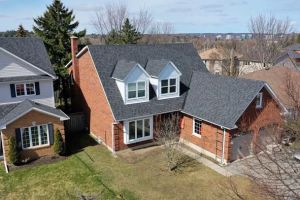
GoldHill Roofing / goldhill
526 Welham Rd Unit 1, Barrie, ON L4N 8Z7, Canada
2. Stormwater Management Advantages
One of the most critical benefits of rooftop gardens in Canada is stormwater management. With increasing rainfall intensity and seasonal snowmelt, urban drainage systems are often stressed, leading to flooding and water damage. Green roofs help by:

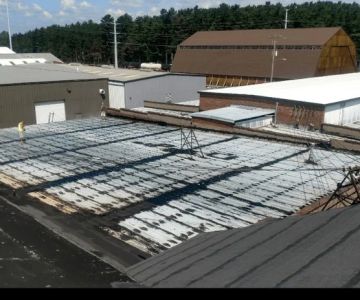
CentiMark Ltd. / centimark corporation
740 Huronia Rd Unit 9, Barrie, ON L4N 6C6, Canada
2.1 Absorbing and Retaining Rainwater
The layers of soil, vegetation, and drainage media on green roofs retain a significant portion of rainfall. This reduces runoff, alleviating pressure on stormwater infrastructure, and decreasing the likelihood of flooding during heavy precipitation events.
2.2 Reducing Water Pollution
Green roofs filter pollutants such as heavy metals and particulates from rainwater before it reaches the city’s drainage system. This contributes to cleaner rivers and lakes, particularly in urban centers like Calgary and Ottawa, where stormwater runoff can carry contaminants into natural waterways.
2.3 Delaying Peak Flow
By absorbing water and slowly releasing it into drainage systems, rooftop gardens mitigate peak flow events, reducing the risk of sewer backups and erosion near foundations. This is particularly beneficial for older neighborhoods where traditional stormwater infrastructure may be outdated.
3. Energy Savings and Insulation Benefits
Rooftop gardens provide remarkable energy efficiency advantages. In Canada, where winters are cold and summers can be surprisingly hot, green roofs help stabilize indoor temperatures throughout the year.
3.1 Summer Cooling
During the summer months, rooftop gardens act as a natural insulation layer, reducing the heat absorbed by rooftops and minimizing indoor cooling costs. Studies in Vancouver show that green roofs can reduce air conditioning energy use by up to 25% in peak summer conditions.
3.2 Winter Insulation
In winter, the soil and vegetation layers add thermal mass to roofs, reducing heat loss and lowering heating demands. This helps homeowners save on energy bills while also decreasing greenhouse gas emissions associated with heating systems.
3.3 Longevity of Roofing Materials
By shielding roofing membranes from direct sunlight, UV rays, and extreme temperature fluctuations, green roofs extend the lifespan of roofing materials. This reduces maintenance costs and contributes to long-term sustainability.
4. Design and Maintenance Tips
Effective rooftop gardens require careful planning and ongoing maintenance to maximize stormwater and energy benefits. Key considerations include:
Structural Assessment: Before installation, ensure the building can support the additional weight of soil, plants, and water retention layers.
Plant Selection: Native and drought-resistant plants are ideal, as they require minimal watering and thrive in Canadian climates.
Drainage Systems: Proper drainage is essential to prevent water pooling and roof damage. Incorporating layers of gravel or engineered media improves water flow.
Regular Maintenance: Seasonal inspections, pruning, and debris removal ensure optimal performance and longevity of green roofs.
5. Case Studies in Canadian Cities
Several Canadian cities provide compelling examples of rooftop gardens’ effectiveness:
5.1 Toronto City Hall Green Roof
The Toronto City Hall green roof is one of the largest and most recognized in Canada. It reduces stormwater runoff by an estimated 50% and improves energy efficiency by stabilizing building temperature.
5.2 Vancouver Commercial Buildings
Many commercial buildings in Vancouver have adopted rooftop gardens to manage stormwater. By capturing rainwater during the wet season, these installations prevent drainage overload and lower building energy costs.
5.3 Montreal Urban Residences
Residential buildings in Montreal have integrated green roofs to reduce energy bills and create community gardening spaces. Residents report improved air quality and lower heating and cooling expenses.
6. Economic and Community Impact
Beyond environmental benefits, rooftop gardens offer economic and social advantages. Property values increase due to enhanced aesthetics and energy efficiency. Communities benefit from shared green spaces, which promote social interaction and improve mental well-being.
In urban planning, green roofs contribute to municipal goals for sustainability and resilience, attracting incentives and grants for building owners who adopt environmentally responsible practices.
7. Professional Services and Recommendations
For homeowners and commercial property owners in Canada considering rooftop gardens, consulting with professional services ensures optimal design and long-term success. Services like Pickering Roofing provide:
- Structural evaluations and feasibility studies
- Custom green roof design and plant selection
- Installation and maintenance services
- Advice on maximizing stormwater retention and energy savings
8. Future Trends in Green Roofs Canada
As climate challenges intensify, rooftop gardens are likely to become more prevalent in Canadian cities. Emerging trends include:
- Integration with solar panels for combined energy efficiency
- Advanced irrigation systems for water conservation
- Use of smart sensors to monitor soil moisture and plant health
- Expansion of urban agriculture on rooftops to increase local food production
These innovations promise to enhance both stormwater management and energy savings, making green roofs an essential element of sustainable urban living in Canada.


 Firm Craft Construction4.0 (6 reviews)
 Les Toitures Trudeau5.0 (7 reviews)
 Crystal Clear Roofing Inc.4.0 (26 reviews)
 Best Roofing Solutions5.0 (3 reviews)
 King Roofing and Contracting0.0 (0 reviews)
 Bur-Met Contracting Ltd0.0 (0 reviews)
 How Much Does a New Roof Cost in 2025? Canadian Roofing Price Guide
 Top Signs Your Roof Has a Leak and What to Do About It in Canada
 Can You Install a New Roof Over an Old One in Canada?
 The Top Questions to Ask Before Hiring a Roofer in Canada
 What Are the Most Common Roofing Scams and How to Avoid Them in Canada
 How to Prepare Your Home for a Roofing Project in Canada