
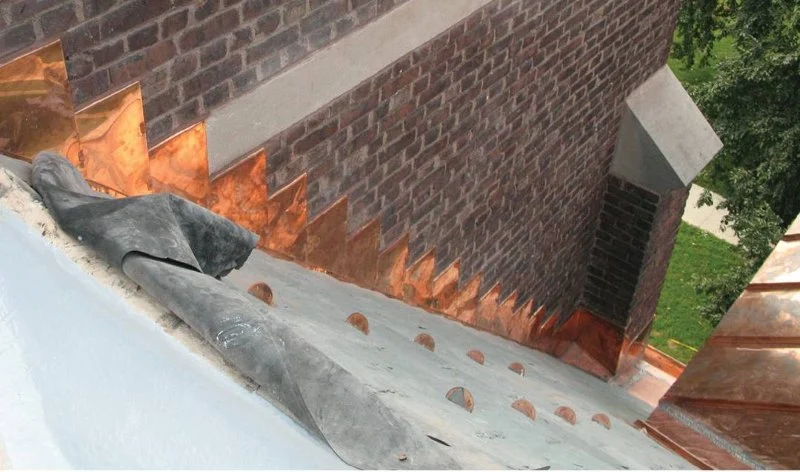
- 1-importance-of-counterflashing-replacement
- 2-identifying-damaged-or-worn-chimney-flashing
- 3-tools-and-materials-needed-for-metal-work-on-brick-surfaces
- 4-step-by-step-counterflashing-replacement-process
- 5-tips-for-ensuring-weatherproofing-and-durability
- 6-common-challenges-in-chimney-metal-work-and-solutions
- 7-real-life-case-studies-of-chimney-flashing-replacement
- 8-maintenance-and-regular-inspections
- 9-how-pickering-roofing-can-help-with-counterflashing
- 10-safety-considerations-when-working-on-chimneys
1. Importance of Counterflashing Replacement
Counterflashing is an essential component of chimney construction, providing a protective barrier between the masonry chimney and the roof surface. Its primary function is to prevent water penetration and protect the interior of the home from leaks and moisture damage. In Canada, where harsh weather and heavy precipitation are common, timely counterflashing replacement is critical to maintain a dry and safe home.
Toitures Garant et Frères Inc / toiture garant
LévisChaudière-AppalachesQuébec
6615 Rue Alfred-Pellan, Lévis, QC G6V 9S9, Canada
1.1 Why Counterflashing Fails
Counterflashing can deteriorate over time due to exposure to UV rays, temperature fluctuations, and physical damage. Rusted or loose metal, cracked brick joints, and improper installation are frequent causes of failure. Left unaddressed, these issues can lead to water infiltration, structural damage, and costly repairs.
XACT Roof & Renovation Ltd. / xact roofing
227 Regent Ave W, Winnipeg, MB R2C 1R3, Canada
1.2 Benefits of Replacement
Replacing old or damaged counterflashing ensures the longevity of the chimney structure, prevents leaks, and enhances the overall durability of the roof system. Modern materials, such as galvanized steel or copper, provide long-lasting protection and reduce maintenance needs.
2. Identifying Damaged or Worn Chimney Flashing
Before scheduling a replacement, it's important to inspect the chimney for signs of flashing failure.
2.1 Visual Inspection
Look for cracks, rust spots, or gaps where the metal meets the brick surface. Discoloration or water stains on the ceiling inside the home can also indicate leaking flashing.
2.2 Testing for Leaks
A controlled water test can reveal weak spots. By pouring water along the chimney edges while observing the interior for leaks, homeowners can pinpoint areas that require immediate attention.
3. Tools and Materials Needed for Metal Work on Brick Surfaces
Performing counterflashing replacement requires precision and the right tools to ensure a secure fit and lasting performance.
3.1 Essential Tools
- Hammer and nails or roofing screws
- Metal snips or shears
- Caulking gun and high-quality roofing sealant
- Chisel and masonry tools for brick adjustments
- Measuring tape and level
- Safety equipment such as gloves and harness
3.2 Materials
- Galvanized steel, copper, or aluminum flashing sheets
- Lead or specialized waterproofing membranes
- Replacement nails or screws suitable for exterior use
- Silicone or polyurethane caulk designed for masonry and metal bonding
4. Step-by-Step Counterflashing Replacement Process
Replacing counterflashing involves a systematic approach to remove the old metal, prepare the brick surface, and install the new flashing securely.
4.1 Removing Old Flashing
Carefully detach the existing metal, avoiding damage to the underlying roof or brickwork. Rusted nails or screws may require special tools for safe removal.
4.2 Preparing the Brick Surface
Clean the masonry surface, remove loose mortar, and repair any damaged joints. A smooth and solid surface is essential for the new metal to adhere correctly and create a watertight seal.
4.3 Installing New Metal Flashing
Cut the metal to fit snugly against the brick and roof intersection. Insert the counterflashing over the base flashing, ensuring overlapping seams to direct water away from the chimney. Secure with corrosion-resistant fasteners and seal edges with high-quality caulk.
5. Tips for Ensuring Weatherproofing and Durability
5.1 Proper Overlap and Sealing
Overlapping the counterflashing adequately over the base flashing and sealing all joints prevents water infiltration. Pay extra attention to corners and joints where leaks are most likely.
5.2 Using Quality Materials
Investing in durable metals like copper or galvanized steel ensures longevity. Paired with a high-grade sealant, these materials withstand harsh Canadian winters and prevent premature failure.
5.3 Regular Inspections
Even after replacement, periodic checks help detect minor issues before they develop into significant problems. Inspect after heavy storms or seasonal temperature changes.
6. Common Challenges in Chimney Metal Work and Solutions
6.1 Uneven Brick Surfaces
Chimneys often have irregular brickwork. Shimming or shaping metal pieces can ensure tight contact with the brick surface for effective waterproofing.
6.2 Rust and Corrosion
Using corrosion-resistant metals and protective coatings prevents rust formation, extending the lifespan of the counterflashing.
6.3 Tight Roof Spaces
Limited access can make installation difficult. Specialized tools and professional expertise help maneuver metal flashing in confined areas safely and accurately.
7. Real-Life Case Studies of Chimney Flashing Replacement
In Toronto, a homeowner faced repeated leaks despite minor repairs. Pickering Roofing replaced the counterflashing using copper sheets on a brick chimney, sealing all joints meticulously. The chimney has remained leak-free for over seven years, demonstrating the value of professional replacement.
7.1 Lessons Learned
Professional installation, high-quality materials, and attention to detail in metal work can prevent recurring problems and save homeowners from costly repairs.
8. Maintenance and Regular Inspections
Even after a successful replacement, routine maintenance ensures long-term performance. Inspect flashing after heavy rain, snow accumulation, or seasonal temperature fluctuations. Clean debris and check caulking integrity annually to extend the life of the counterflashing.
9. How Pickering Roofing Can Help with Counterflashing
Pickering Roofing specializes in chimney counterflashing replacement and metal work on brick surfaces throughout Canada. Their services include thorough inspections, high-quality material installation, and professional finishing to prevent leaks and enhance chimney durability. Utilizing expert techniques, Pickering Roofing ensures each project meets local building codes and weatherproofing standards.
10. Safety Considerations When Working on Chimneys
10.1 Personal Protective Equipment
Wear gloves, safety glasses, and a harness when working at height. Proper footwear prevents slips on roof surfaces, especially in wet or icy conditions.
10.2 Weather Awareness
Avoid working during storms, high winds, or icy conditions. Weather exposure increases the risk of accidents and reduces the effectiveness of freshly installed materials.
10.3 Professional Assistance
Due to the risks and technical challenges, hiring professional roofing services is highly recommended for counterflashing replacement. Experts have the experience and equipment to complete the work safely and efficiently.
Investing in high-quality counterflashing replacement for chimneys with metal work on brick surfaces ensures long-term protection, leak prevention, and structural stability. With the guidance of Pickering Roofing, homeowners across Canada can safeguard their homes against water damage while enjoying peace of mind.


 Couvertures & Cheminées Lambert/Foyer Lambert4.0 (64 reviews)
 Platinum Roofing & Exteriors | Burlington and Oakville0.0 (0 reviews)
 Videl Roofing Inc.5.0 (9 reviews)
 iRoofing5.0 (1 reviews)
 Atlas-Apex Roofing Inc.5.0 (1 reviews)
 A M Roofing Systems Inc3.0 (15 reviews)
 How Much Does a New Roof Cost in 2025? Canadian Roofing Price Guide
 Top Signs Your Roof Has a Leak and What to Do About It in Canada
 Can You Install a New Roof Over an Old One in Canada?
 The Top Questions to Ask Before Hiring a Roofer in Canada
 What Are the Most Common Roofing Scams and How to Avoid Them in Canada
 How to Prepare Your Home for a Roofing Project in Canada