
- understanding-snow-load-on-roofs-in-canada-and-structural-pressure-basics
- how-much-snow-is-too-much-for-roof-safety-warning-signs-and-risk-levels
- when-and-how-to-remove-snow-from-roofs-safely-without-damaging-structure
- real-case-story-roof-collapse-scare-during-heavy-ontario-winter-storm
- professional-roof-maintenance-and-prevention-strategies-for-canadian-winters
- long-term-roof-safety-planning-insurance-inspection-and-seasonal-preparation
Understanding Snow Load on Roofs in Canada and Why It Matters
In Canada, winter is not just a season—it is a structural test for every building. The concept of snow load on roofs in Canada refers to the weight that accumulated snow places on a roof structure. This weight can become significant enough to stress beams, weaken supports, and in extreme cases, lead to partial or full roof collapse.
Unlike light snowfall in milder climates, Canadian winters often bring repeated storms that layer snow over snow. What many homeowners underestimate is that snow does not remain light and fluffy. Over time, it compacts, absorbs moisture, and becomes significantly heavier.
A homeowner in Quebec once described how a seemingly harmless snowfall turned into a serious concern after several days of warming temperatures. The snow melted slightly during the day, then refroze at night, forming dense layers that doubled the load on the roof. This is a common scenario in Canadian winters.
Companies like Pickering Roofing often emphasize that understanding structural limits is not optional—it is essential for preventing costly and dangerous damage.

Toitures Bernier et Fils / toitures bernier
QuébecCapitale-NationaleQuébec
1095 Chem. de la Canardière #4, Québec, QC G1J 2C2, Canada
How Much Snow Is Too Much for Roof Safety?
Determining roof snow weight limits is not as simple as measuring depth. Different types of snow have different weights, and roof design also plays a major role. Wet snow can weigh several times more than dry, fluffy snow.
Snow Type and Weight Differences
Fresh powder snow may seem heavy visually, but it is relatively light. However, once snow becomes wet or partially melted, its density increases dramatically. Ice layers formed beneath snow packs can be especially dangerous because they add concentrated weight.
Roof Design and Structural Capacity
Steep roofs naturally shed snow more effectively, reducing buildup. Flat or low-slope roofs, however, tend to accumulate snow more heavily, increasing the risk of structural stress.
Older homes or buildings not designed for modern building codes may have lower tolerance levels for heavy snow accumulation, making regular inspection more important.
Warning Signs That Snow Load Is Becoming Dangerous
Some of the most common indicators include creaking sounds, visible sagging, cracks in interior walls, or doors that suddenly stop closing properly. These signs suggest that structural pressure is already affecting the building.
When and How to Remove Snow From Roofs Safely
Knowing when to remove snow from roof is just as important as understanding accumulation levels. Removal should not always be immediate, but delayed action can increase risk significantly.
Safe Thresholds for Snow Removal
As a general observation, repeated heavy snowfall events combined with rising indoor heat often create dangerous conditions. If snow depth exceeds several consistent layers after multiple storms, removal should be considered.
Proper Snow Removal Techniques
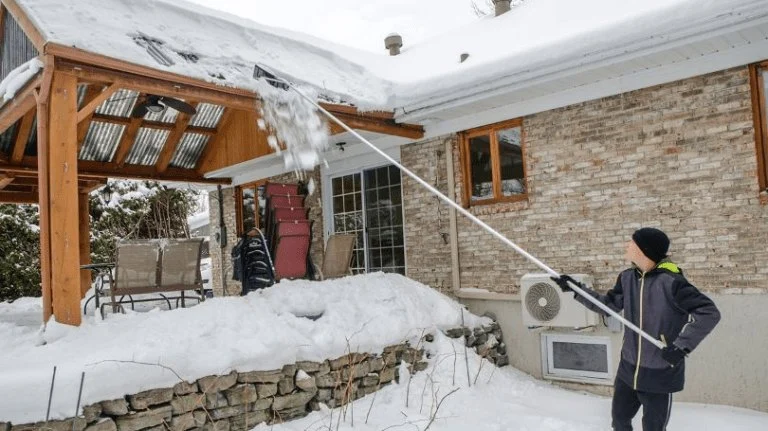
Using a roof rake from ground level is one of the safest methods for homeowners. This allows snow to be removed without climbing onto potentially slippery surfaces. Avoiding direct roof access during winter reduces injury risk significantly.
What NOT to Do During Snow Removal
Climbing onto a snow-covered roof is extremely dangerous due to hidden ice layers. Using sharp tools that can damage roofing materials should also be avoided, as they may create long-term leaks or structural weaknesses.
Professional services such as Pickering Roofing often recommend scheduled snow removal during prolonged storms rather than waiting for accumulation to reach critical levels.
Real-Life Case: The Ontario Winter Roof Stress Incident
During a particularly harsh winter in Ontario, a family noticed unusual sounds coming from their attic after several days of continuous snowfall. At first, they assumed it was normal settling. However, the noises became louder and were accompanied by visible ceiling cracks.
A professional inspection revealed that snow accumulation combined with ice buildup had placed excessive stress on the roof structure. Fortunately, partial collapse was avoided due to early intervention, but repairs were still extensive and costly.
This case highlights how heavy snow roof safety is not something to ignore. Structural warning signs often appear before major failure occurs, but they must be taken seriously.
Professional Roof Maintenance for Canadian Winters
Preventing snow-related roof damage requires more than emergency removal—it requires seasonal preparation. Regular maintenance is one of the most effective ways to reduce winter risks.
Pre-Winter Roof Inspections
Inspecting roofs before snowfall begins helps identify weak points such as loose shingles, clogged gutters, or structural vulnerabilities. These issues can worsen under snow load.
Heat Loss and Ice Dam Prevention
Uneven roof temperatures can cause snow to melt and refreeze at edges, forming ice dams. These can trap water and increase pressure on roofing materials.
Structural Reinforcement and Upgrades
Older buildings may benefit from reinforcement to improve load-bearing capacity. Modern roofing systems are often designed with improved materials that better distribute weight.
Service providers like Pickering Roofing often assist homeowners with seasonal evaluations to ensure roofs remain safe throughout winter conditions.
Long-Term Safety Planning for Roof Snow Management
Managing Canadian roof winter maintenance is not just about reacting to storms—it is about planning ahead. Homeowners who prepare early tend to avoid emergencies during peak snowfall periods.
Insurance and Risk Awareness
Understanding insurance coverage for snow-related damage is important. Some policies require proof of regular maintenance to approve claims related to roof collapse or water damage.
Monitoring Weather Patterns
Keeping track of weather forecasts helps homeowners anticipate heavy accumulation periods. Early action is always more effective than emergency response.
Community Experiences and Shared Lessons
In many Canadian neighborhoods, homeowners share winter experiences and warnings after major storms. These community insights often help others take preventive action before problems occur.
The recurring lesson across all experiences is simple: snow load is not just a seasonal inconvenience—it is a structural responsibility.




 Platinum Roofing & Exteriors | Mississauga and Milton0.0 (0 reviews)
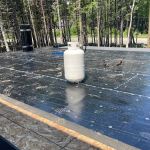 Pryde Roofing and Siding0.0 (0 reviews)
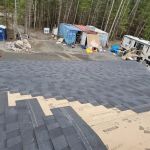 Superior Exteriors5.0 (17 reviews)
 OK Roof Revival4.0 (27 reviews)
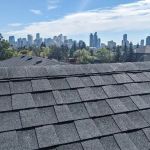 HailGuard Home Protectors INC5.0 (4 reviews)
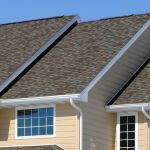
 Quality Plus Home Services温哥华质佳建筑|屋顶雨水槽保温棉3.0 (1 reviews)
 How Much Does a New Roof Cost in 2025? Canadian Roofing Price Guide
 Top Signs Your Roof Has a Leak and What to Do About It in Canada
 Can You Install a New Roof Over an Old One in Canada?
 The Top Questions to Ask Before Hiring a Roofer in Canada
 What Are the Most Common Roofing Scams and How to Avoid Them in Canada
 How to Prepare Your Home for a Roofing Project in Canada