
- #what-roof-sheathing-is
- #plywood-vs-osb-differences
- #other-roof-sheathing-options
- #factors-for-canadian-homes
- #real-homeowner-case-study
- #how-to-choose-the-right-material
What Roof Sheathing Does and Why It Matters
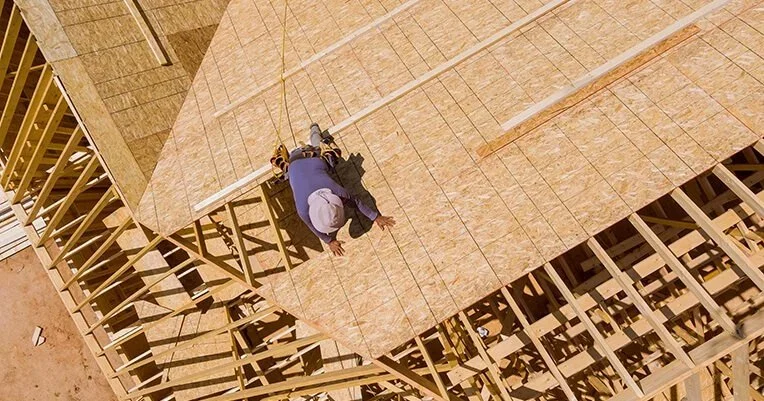
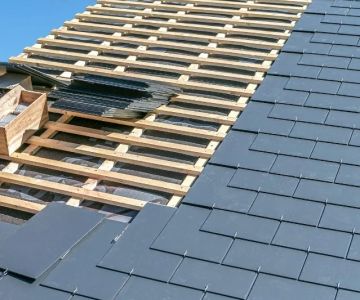
Roof sheathing, also known as roof decking, is the structural layer installed beneath shingles or other roofing materials. It provides a stable surface for roofing installation and plays a key role in supporting weight, resisting weather, and maintaining the integrity of your home.
In Canada, where roofs must withstand snow loads, temperature swings, and moisture exposure, choosing the right sheathing material is especially important. Understanding roof sheathing types such as plywood vs OSB vs others can help homeowners make informed decisions that impact both durability and long-term costs.
A well-chosen sheathing material can extend the lifespan of your roof, while the wrong choice may lead to issues like warping, mold, or structural weakness.
SGM Construction Roofing / sgmconstruction.ca
287 Epsom Downs Dr, North York, ON M3M 1T5, Canada
Plywood vs OSB: Key Differences Explained
1. Plywood Roof Sheathing
1.1 Structure and Composition
Plywood is made from thin layers of wood veneer glued together in alternating directions, which increases strength and stability.
Atlas-Apex Roofing Inc. / atlas apex toronto
65 Disco Rd, Etobicoke, ON M9W 1M2, Canada
1.2 Advantages
Plywood is known for its durability, resistance to expansion, and ability to dry quickly after moisture exposure.
1.3 Drawbacks
It is generally more expensive than OSB, making it less appealing for budget-conscious projects.
2. OSB Roof Sheathing
2.1 Structure and Composition
Oriented Strand Board (OSB) is made from compressed wood strands bonded with adhesives, forming a dense, uniform panel.
2.2 Advantages
OSB is more affordable and widely used in modern construction. It provides consistent strength and is easy to install.
2.3 Drawbacks
OSB tends to absorb moisture more slowly but also dries more slowly, which can lead to swelling if not properly protected.
3. Performance Comparison
3.1 Moisture Resistance
Plywood generally performs better in wet conditions, making it a strong choice for areas with heavy snowfall or rain.
3.2 Cost Efficiency
OSB offers better value for large-scale projects due to its lower price point.
3.3 Structural Strength
Both materials meet building code requirements, but plywood often has a slight edge in flexibility and resilience.
Alternative Roof Sheathing Materials Worth Considering
1. Plank Sheathing
1.1 Traditional Construction
Older homes may use wooden planks instead of panels.
1.2 Modern Limitations
While durable, plank sheathing is less common today due to higher costs and labor requirements.
2. Composite Panels
2.1 Engineered Materials
Some newer products combine wood fibers with synthetic materials for improved performance.
2.2 Specialized Applications
These are often used in high-performance or energy-efficient building projects.
3. Metal Decking
3.1 Commercial Use
More common in commercial buildings, metal decking offers exceptional strength and fire resistance.
3.2 Residential Considerations
It is rarely used in standard homes due to cost and installation complexity.
Key Factors to Consider for Canadian Climate Conditions
1. Snow Load and Weight تحمل
1.1 Structural Requirements
Heavy snow accumulation requires strong, reliable sheathing materials.
1.2 Material Choice Impact
Both plywood and OSB can handle snow loads, but proper thickness is critical.
2. Moisture and Temperature Changes
2.1 Freeze-Thaw Cycles
Canadian climates often involve repeated freezing and thawing, which can affect material stability.
2.2 Ventilation Importance
Proper attic ventilation helps prevent moisture buildup and extends sheathing life.
3. Cost vs Longevity
While OSB may save money upfront, plywood may offer better long-term performance in certain conditions.
A Real Case: Choosing the Right Sheathing in Ontario
A homeowner in Ontario faced a decision when replacing their roof after years of winter damage. Their contractor initially recommended OSB due to its affordability, but concerns about moisture led them to consider plywood.
After reviewing their home’s ventilation and exposure to snow, they chose plywood for its faster drying capability. While the upfront cost was higher, the homeowner reported fewer issues during subsequent winters and felt more confident in their roof’s durability.
This example highlights how local conditions and long-term thinking can influence the best choice.
How to Choose the Best Roof Sheathing for Your Home
1. Assess Your Environment
1.1 Climate Conditions
Consider how much snow, rain, and humidity your roof will face.
1.2 Roof Design
Steeper roofs may shed moisture more effectively, influencing material choice.
2. Balance Budget and Performance
2.1 Short-Term Savings
OSB is often the more economical option for initial installation.
2.2 Long-Term Value
Plywood may reduce maintenance and repair costs over time.
3. Work with Trusted Experts
Choosing the right material is easier with professional guidance. Pickering Roofing offers insights and services tailored to Canadian homeowners, helping you select the best sheathing option for your specific needs.
Understanding roof sheathing types like plywood vs OSB vs others allows you to make a confident, informed decision. With the right choice, your roof will be better equipped to handle Canada’s demanding climate while providing lasting protection for your home.
 Green Meadows Roofing & Home Services0.0 (0 reviews)
 Specified Roofing Inc.3.0 (16 reviews)
 ELITE ROOFERS INC.5.0 (19 reviews)
 All Seasons Roofing & Renovations4.0 (54 reviews)
 Elite Roofing Ltd3.0 (21 reviews)
 Gamma Roofing5.0 (1 reviews)
 How Much Does a New Roof Cost in 2025? Canadian Roofing Price Guide
 Top Signs Your Roof Has a Leak and What to Do About It in Canada
 Can You Install a New Roof Over an Old One in Canada?
 The Top Questions to Ask Before Hiring a Roofer in Canada
 What Are the Most Common Roofing Scams and How to Avoid Them in Canada
 How to Prepare Your Home for a Roofing Project in Canada