
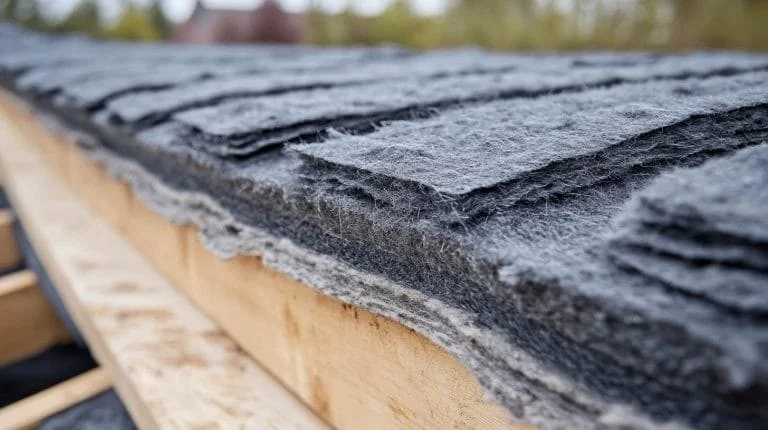
Why Roof Soundproofing Matters in Noisy Neighborhoods
Living in a noisy neighborhood can make it difficult to enjoy peace and quiet at home. External noise, whether it’s traffic, construction, or noisy neighbors, can infiltrate your home through walls, windows, and even the roof. Soundproofing your roof is one effective way to reduce unwanted noise, particularly if your home is located near busy streets or noisy areas. This article will guide you through the benefits of roof soundproofing, effective methods, materials, and common challenges, helping you create a quieter and more comfortable living environment.
Toiture Royale Expert Inc. / toiture royale expert
LévisChaudière-AppalachesQuébec
7921 Rue de l'Orge, Lévis, QC G6Y 0G1, Canada
Effective Soundproofing Methods for Roofs
Soundproofing a roof requires choosing the right techniques and materials to block and absorb noise. Here are some of the most effective methods for reducing noise that enters through your roof:
Vancouver Moss Removal / moss removal north vancouver
VancouverMetro VancouverBritish Columbia
1615 Frances St #105, Vancouver, BC V5L 1Z3, Canada
1. Adding Insulation to the Roof
One of the most effective ways to soundproof your roof is by adding high-quality insulation. Insulation helps reduce noise transmission by absorbing sound waves before they enter your living space. Various types of insulation are available, such as fiberglass, cellulose, or spray foam insulation, each offering different levels of soundproofing and thermal performance.
2. Installing a Soundproofing Membrane
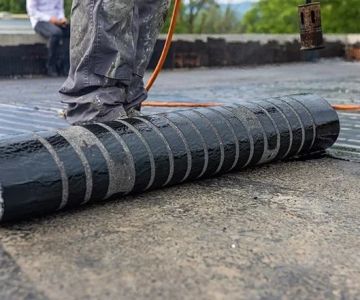
Soundproofing membranes are specialized materials designed to be installed between the roof and the ceiling of your home. These membranes are typically made from dense rubber or vinyl and are great for blocking low-frequency sounds like traffic noise. They can be applied as part of a roofing installation or as a retrofit to an existing roof.
3. Roof Decking and Acoustic Barriers
Adding acoustic barriers to the roof deck can further reduce sound transmission. These barriers are usually composed of heavy materials like mass-loaded vinyl or gypsum board, which can absorb and block noise. The combination of soundproofing membranes and these barriers offers a significant reduction in exterior noise.
Best Materials for Roof Soundproofing
Choosing the right materials is crucial for effective roof soundproofing. Here are some of the best options to consider when looking to reduce noise:
1. Fiberglass Insulation
Fiberglass insulation is one of the most commonly used materials for soundproofing. It’s cost-effective, widely available, and provides good sound absorption. It works well in attics and roof spaces, where noise from external sources can be loud.
2. Mass-Loaded Vinyl (MLV)
Mass-loaded vinyl is a heavy, flexible material designed specifically for soundproofing. It works by adding mass to your roof structure, blocking sound from passing through. It can be installed between layers of roofing material or as an additional layer in the ceiling.
3. Spray Foam Insulation
Spray foam insulation is another great option for soundproofing roofs. It expands upon application and fills gaps and cracks, preventing sound from entering your home. It also provides additional insulation to help regulate temperature.
4. Acoustic Foam Panels
Acoustic foam panels are another effective solution, though they are typically used for interior soundproofing. For roof soundproofing, these can be installed in the attic or ceiling area to help absorb sound and prevent it from reaching your living spaces.
Should You Hire a Professional or Do It Yourself?
While roof soundproofing can be a DIY project, it's important to weigh the pros and cons of doing it yourself versus hiring a professional. Here are some factors to consider:
1. DIY Roof Soundproofing
If you're handy and have experience with home improvement projects, soundproofing your roof yourself can save you money on labor costs. Materials like insulation and acoustic membranes are available at most hardware stores, and installation can be relatively straightforward for those with the right skills. However, there are some risks—incorrect installation can lead to poor results, and you might miss critical details in your soundproofing strategy.
2. Hiring a Professional
Hiring a professional roofing contractor or soundproofing expert can ensure the job is done right. They have the expertise and tools necessary to assess your roof's specific needs, select the best materials, and install them effectively. A professional also ensures that the soundproofing measures comply with local building codes, which may require specific methods or materials.
Common Challenges in Roof Soundproofing
Although roof soundproofing is an effective way to reduce noise, there are some challenges homeowners may face:
1. Cost
Soundproofing a roof can be expensive, particularly if you opt for high-quality materials or professional installation. While the investment can be worthwhile for those living in noisy areas, it's important to plan your budget carefully and get quotes from multiple contractors to ensure you're getting the best deal.
2. Roof Structure Limitations
In some cases, the existing structure of your roof may limit your soundproofing options. If your roof is old or in need of repair, soundproofing may need to be integrated with a roof replacement, which could increase costs and complexity.
3. Effectiveness of Soundproofing Materials
Not all soundproofing materials are equally effective. It’s essential to choose the right materials that will target the specific type of noise you’re trying to block. For example, low-frequency noises, such as traffic sounds, may require heavier materials like mass-loaded vinyl, while high-frequency noise may be better mitigated by acoustic foam.
Real-Life Case: Homeowners Successfully Soundproofing Their Roofs
In one case, a family living in a busy city street decided to soundproof their roof due to constant traffic noise. They chose to install fiberglass insulation combined with mass-loaded vinyl and acoustic foam panels. After completing the project, they reported a noticeable reduction in external noise, leading to a more peaceful living environment. This real-life case demonstrates the effectiveness of roof soundproofing when using the right materials and installation methods.
Final Thoughts on Roof Soundproofing
Soundproofing your roof is an effective way to combat noise in busy neighborhoods, ensuring a quiet and comfortable living space. Whether you choose to tackle the project yourself or hire a professional, the right materials and installation techniques can make a significant difference. If you're considering roof soundproofing, it's essential to assess your specific needs, budget, and the level of noise you're dealing with. For more expert guidance and roofing services, visit【Pickering Roofing】for trusted solutions to improve your home's comfort and peace.
 Smart Home Building Systems Ltd.4.0 (69 reviews)
 T. Simpson Roofing4.0 (41 reviews)
 Allan Star Roofing Ltd4.0 (4 reviews)
 Kitchener Affordable Roofing3.0 (3 reviews)
 CA ROOFING INC4.0 (37 reviews)
 Bristol Roofing Corp.5.0 (39 reviews)
 How Much Does a New Roof Cost in 2025? Canadian Roofing Price Guide
 Top Signs Your Roof Has a Leak and What to Do About It in Canada
 Can You Install a New Roof Over an Old One in Canada?
 The Top Questions to Ask Before Hiring a Roofer in Canada
 What Are the Most Common Roofing Scams and How to Avoid Them in Canada
 How to Prepare Your Home for a Roofing Project in Canada