
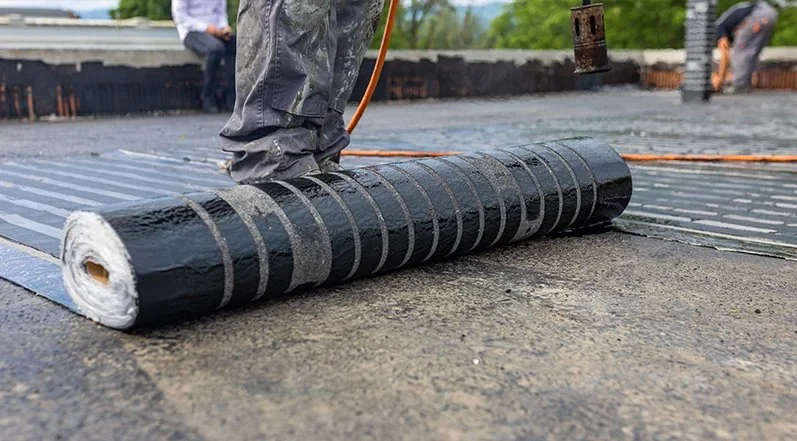
- What is Synthetic Rubber Roofing?
- Types of Synthetic Rubber Roofing Membranes
- Benefits of Using Synthetic Rubber Roofing Membranes
- Longevity of Synthetic Rubber Roofing Membranes
- Applications of Synthetic Rubber Roofing Membranes
- How to Choose Synthetic Rubber Roofing for Your Project
What is Synthetic Rubber Roofing?
Synthetic rubber roofing membranes, such as EPDM (Ethylene Propylene Diene Monomer), are widely used in both residential and commercial buildings for their durability and resistance to environmental factors. These membranes are made from a blend of synthetic rubbers that provide excellent waterproofing, flexibility, and insulation. Known for their longevity, these roofing materials offer a cost-effective solution to protecting buildings from the elements.
Rubber roofing membranes are particularly popular in flat and low-sloped roof applications, where their seamless, watertight installation can prevent leaks and water damage. If you’re considering synthetic rubber for your roofing project, it’s essential to understand its uses, benefits, and the expected lifespan of the material.

Custom Contracting Burlington Roofing & Eavestrough Repair Burlington / eavestrough burlington
BurlingtonRegional Municipality of HaltonOntario
687 Waterloo St, Burlington, ON L7R 2S9, Canada
Types of Synthetic Rubber Roofing Membranes
There are several types of synthetic rubber roofing membranes available on the market. The most common and widely used type is EPDM, but there are other variations that also provide excellent performance and protection. Below is an overview of the most popular types:
Toitures Bernier et Fils / toitures bernier
QuébecCapitale-NationaleQuébec
1095 Chem. de la Canardière #4, Québec, QC G1J 2C2, Canada
1. EPDM (Ethylene Propylene Diene Monomer)
EPDM is the most popular synthetic rubber roofing membrane, known for its outstanding durability and resistance to UV rays, ozone, and weathering. EPDM roofing is available in both black and white variations and is highly flexible, making it suitable for a wide range of roof shapes and sizes. It is particularly effective in both hot and cold climates due to its resistance to temperature extremes.
2. TPO (Thermoplastic Olefin)
TPO roofing is a single-ply membrane that combines rubber and plastic. While not purely rubber, TPO offers many similar benefits, including resistance to UV rays, heat, and weathering. TPO is known for its reflective properties, which can help reduce energy costs by reflecting sunlight and heat away from the building.
3. PVC (Polyvinyl Chloride)
Like TPO, PVC roofing is a single-ply membrane that offers exceptional durability and weather resistance. PVC is highly resistant to chemicals and has a strong track record in commercial roofing applications. While more rigid than EPDM, PVC roofing can be an excellent choice for certain types of buildings, especially those requiring added fire resistance.
Benefits of Using Synthetic Rubber Roofing Membranes
Synthetic rubber roofing membranes, particularly EPDM, provide numerous benefits that make them a smart choice for both new construction and roof replacement projects. Here are some of the key advantages:
1. Durability and Longevity
One of the primary reasons synthetic rubber roofing is so popular is its long lifespan. EPDM, for example, can last up to 30 years or more with proper care and maintenance. Its resistance to UV radiation, extreme temperatures, and weathering ensures that it performs reliably over time without needing frequent repairs.
2. Energy Efficiency
EPDM roofing membranes are excellent insulators, helping to regulate the temperature inside buildings. They can help reduce heating and cooling costs by keeping buildings cooler in the summer and warmer in the winter. Additionally, white EPDM membranes have reflective properties, which can further reduce energy costs by reflecting sunlight away from the building.
3. Low Maintenance
Rubber roofing membranes require minimal maintenance compared to other materials. Unlike shingles, they are not susceptible to rot or decay, and they don’t require frequent re-sealing. Routine inspections and occasional cleaning are often all that’s needed to keep the roof in good condition.
4. Easy Installation
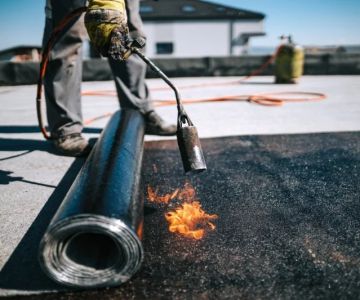
Synthetic rubber membranes, especially EPDM, are relatively easy to install. They are typically available in large, flexible sheets that are quickly installed, reducing labor costs. Additionally, the seamless nature of rubber roofing helps to prevent leaks and water infiltration.
5. Environmentally Friendly
Many rubber roofing membranes, especially EPDM, are made from recycled materials, making them a more sustainable option compared to other roofing materials. They are also 100% recyclable, meaning that they can be repurposed at the end of their lifespan, reducing waste in landfills.
Longevity of Synthetic Rubber Roofing Membranes
One of the most significant factors that homeowners and businesses consider when choosing roofing materials is longevity. Synthetic rubber membranes, such as EPDM, have an impressive lifespan when properly maintained. On average, EPDM roofs can last 30 years or more, with some warranties extending up to 50 years.
The longevity of synthetic rubber roofing depends on several factors, including:
1. Installation Quality
Proper installation is crucial to the longevity of synthetic rubber roofing. Incorrect installation, such as improperly sealed seams or poorly laid membranes, can lead to premature wear and tear. Working with a professional roofing contractor ensures that your synthetic rubber roof is installed correctly and lasts as long as possible.
2. Maintenance
While synthetic rubber roofing is low-maintenance, it still requires periodic inspections to check for damage, such as punctures or tears. Regular cleaning to remove debris and ensuring that drainage systems are functioning properly can extend the life of the roof.
3. Climate and Environmental Factors
Climate plays a key role in the longevity of synthetic rubber roofs. Extreme weather conditions, such as heavy storms, high winds, or significant temperature fluctuations, can put additional stress on roofing materials. However, synthetic rubber membranes like EPDM are designed to withstand harsh conditions, which makes them ideal for various climates.
Applications of Synthetic Rubber Roofing Membranes
Synthetic rubber roofing membranes are versatile and can be used in a variety of applications. Here are some of the most common uses:
1. Residential Roofing
EPDM and other rubber roofing membranes are a great choice for residential buildings with flat or low-slope roofs. They provide excellent water resistance, making them ideal for protecting homes against leaks and water damage.
2. Commercial Roofing
Commercial buildings often have flat roofs that require durable, long-lasting roofing solutions. Synthetic rubber membranes are perfect for commercial applications because of their strength, ease of installation, and low maintenance requirements.
3. Green Roofing
Rubber roofing membranes are often used in green roofing systems, where they serve as an effective base layer beneath vegetation. They are water-resistant, long-lasting, and can support the weight of green roofs without compromising the building's structure.
How to Choose Synthetic Rubber Roofing for Your Project
When selecting a synthetic rubber roofing membrane for your project, consider the following factors:
1. Roof Type and Slope
Different rubber membranes are better suited for different types of roofs. EPDM is especially effective for flat or low-slope roofs, while TPO may be a better option for roofs with a higher slope due to its reflective properties.
2. Climate
Consider your region’s climate when selecting roofing materials. EPDM performs well in both hot and cold climates, while TPO’s reflective properties make it particularly effective in warm climates where cooling costs are a concern.
3. Budget
Synthetic rubber membranes offer a cost-effective solution when compared to other materials like metal or tile. However, the initial cost can vary depending on the material, the size of the roof, and the complexity of installation. Be sure to obtain quotes from professional contractors before making a decision.
For expert advice on synthetic rubber roofing and professional installation, check out Pickering Roofing for top-quality products and services.
 Entreprises Hillman4.0 (13 reviews)
 Canadian Roofing Company Ltd.4.0 (42 reviews)
 Toitures Steeve Arbour4.0 (27 reviews)
 Flat Roofers Commerical Roofing0.0 (0 reviews)
 D.M MANAGEMENT5.0 (1 reviews)
 Toiture TNT / Gatineau Outaouais4.0 (135 reviews)
 How Much Does a New Roof Cost in 2025? Canadian Roofing Price Guide
 Top Signs Your Roof Has a Leak and What to Do About It in Canada
 Can You Install a New Roof Over an Old One in Canada?
 The Top Questions to Ask Before Hiring a Roofer in Canada
 What Are the Most Common Roofing Scams and How to Avoid Them in Canada
 How to Prepare Your Home for a Roofing Project in Canada