
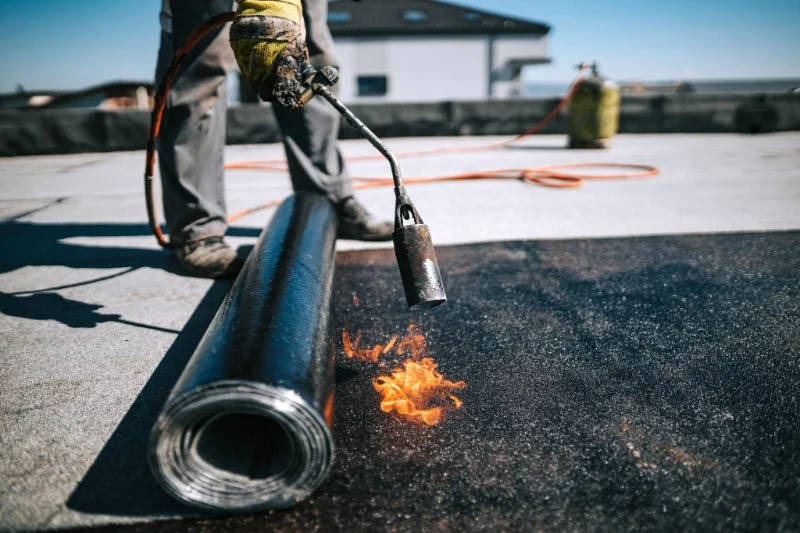
Understanding Roofing Material Fire Ratings
- Why Fire Ratings Matter for Roofing Materials
- What to Look for in Regional Fire Ratings
- Different Fire Ratings for Roofing Materials
- How to Choose the Right Fire-Resistant Roofing
1. Why Fire Ratings Matter for Roofing Materials
Fire ratings are crucial when selecting roofing materials, especially in regions prone to wildfires or other fire hazards. Understanding these ratings helps ensure that the roof will provide adequate protection against fire, potentially saving lives and preventing extensive damage to the home.
Christensen & McLean Roofing / christensen & mclean roofing
16173 132 Ave NW, Edmonton, AB T5V 1H7, Canada
Protecting Your Home
A fire-resistant roof can significantly reduce the risk of a fire spreading to your home. In areas with a high risk of wildfires, it is essential to choose roofing materials with high fire resistance ratings to protect your investment and your family.
Horizon Roofing Ltd / horizon roofing
3735 Cabana Road E, Windsor, ON N8V 0A5, Canada
Meeting Local Building Codes
In many areas, local building codes require specific fire ratings for roofing materials. By choosing materials with the right fire resistance, you’ll ensure compliance with these codes and avoid potential fines or issues during inspections.
2. What to Look for in Regional Fire Ratings
Different regions may have specific requirements for fire ratings based on their climate, geography, and history of wildfires. Understanding the local fire safety standards is key when choosing roofing materials for your home.
Regional Climate Considerations
In areas with hot, dry conditions or frequent wildfires, roofing materials with higher fire ratings (Class A) are recommended. These materials provide the best protection against fire penetration.
Building Code Requirements
Local building codes may mandate the use of fire-resistant roofing materials. These requirements are typically based on historical fire risks in the area and are designed to minimize fire damage in homes and communities.
3. Different Fire Ratings for Roofing Materials
Roofing materials are rated based on their ability to resist fire. Understanding these ratings can help you make an informed choice when selecting roofing materials for your home:
Class A Fire Rating
A Class A rating indicates the highest level of fire resistance. These materials can withstand exposure to fire for an extended period and are often recommended for areas with high wildfire risks.
Class B Fire Rating
Class B-rated materials offer moderate fire resistance, but they may not perform as well as Class A materials in extreme fire conditions. They are suitable for areas with lower fire risks but may still provide protection in a fire emergency.
Class C Fire Rating
Class C materials are the lowest-rated for fire resistance. They are generally not recommended for areas prone to wildfires or where fire safety is a significant concern, but they may be acceptable in regions with minimal fire risks.
4. How to Choose the Right Fire-Resistant Roofing
Choosing the right fire-resistant roofing material involves understanding your region’s fire risks and the fire ratings of available materials. Here are some tips for selecting the best roofing material:
Assess Your Location’s Fire Risk
If you live in an area prone to wildfires, a Class A fire-resistant roof is essential. This type of roof can help prevent the spread of fire and minimize potential damage to your home.
Consider Material Durability
Besides fire resistance, you should consider the durability of the roofing material. For example, metal roofing is not only fire-resistant but also long-lasting and low maintenance, making it an excellent choice for many homeowners.
Consult Local Experts
Consulting a local roofing expert or contractor can help you choose the best materials for your area. Professionals familiar with local building codes and fire safety standards can guide you toward the most suitable options for your home.
Case Study: Homeowner Protects Property with Fire-Resistant Roof
A homeowner in British Columbia, Canada, living near a forested area, opted for a Class A fire-resistant roofing material after experiencing the devastating effects of a nearby wildfire. The new roof protected the home from damage during subsequent fires, demonstrating the importance of choosing the right roofing materials based on regional fire ratings.
 Don Mills Roofing Ltd.5.0 (2 reviews)
 NorthCan Roofing Inc.5.0 (1 reviews)
 Roof Vacuuming - Ontario Disposal Bins0.0 (0 reviews)
 Canadian Siding and Roofing4.0 (17 reviews)
 Toitures Bernier et Fils5.0 (1 reviews)
 Amahni Roofing3.0 (2 reviews)
 How Much Does a New Roof Cost in 2025? Canadian Roofing Price Guide
 Top Signs Your Roof Has a Leak and What to Do About It in Canada
 Can You Install a New Roof Over an Old One in Canada?
 The Top Questions to Ask Before Hiring a Roofer in Canada
 What Are the Most Common Roofing Scams and How to Avoid Them in Canada
 How to Prepare Your Home for a Roofing Project in Canada