
- Understanding Roof Edge Issues
- Common Causes of Shingle Curling and Popping
- How to Prevent Shingle Curling and Popping Up
- Maintaining Roof Integrity Through Regular Care
- Real-Life Case of Roof Repair and Prevention
Understanding Roof Edge Issues
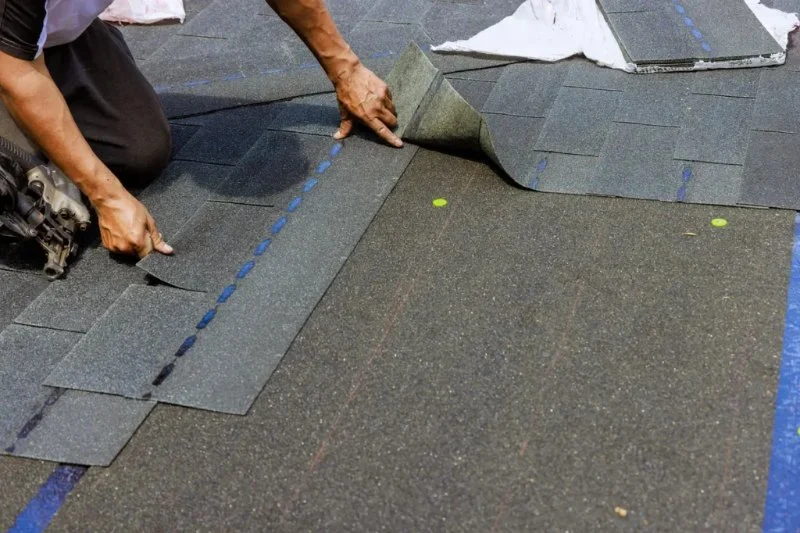
Roof edges play a crucial role in the overall performance of your roof. They not only affect the appearance of your home but also protect it from water damage. One of the most common problems that homeowners face is curling shingles or shingles popping up along the roof's edges. These issues can indicate underlying roof problems that need to be addressed promptly to avoid further damage.
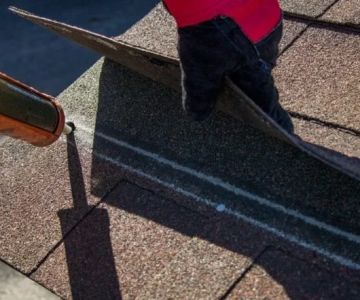
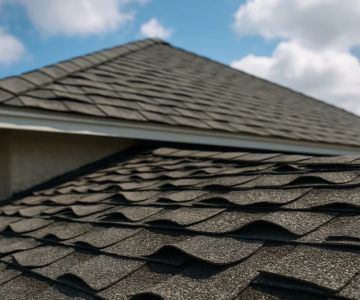
Shingle curling occurs when the edges of the shingles begin to bend upwards, while popping shingles occur when they lift off the surface of the roof. Both of these issues can be unsightly and may cause leaks or other forms of damage if not addressed. Understanding why these problems happen is the first step in preventing them from becoming a major concern.
Christensen & McLean Roofing / christensen & mclean roofing
16173 132 Ave NW, Edmonton, AB T5V 1H7, Canada
Common Causes of Shingle Curling and Popping
Several factors can contribute to shingle curling and popping. Identifying the root cause of the issue is key to effectively addressing it and preventing further damage. Some common causes include:
- Aging Shingles: Over time, shingles can naturally begin to deteriorate, especially in harsh climates. As shingles age, they lose their flexibility, making them more prone to curling or popping up.
- Improper Installation: If shingles were installed incorrectly, they may not lie flat on the roof. This can cause them to lift or curl over time, especially if the roofing nails were not properly placed.
- Moisture and Humidity: Excess moisture in the attic or from external weather conditions can cause shingles to warp or peel away from the roof. This is particularly common in areas with high humidity levels or during periods of heavy rainfall.
- Roof Ventilation Issues: Poor ventilation can cause the temperature underneath the roof to rise, which in turn can cause the shingles to become warped or damaged. Proper ventilation helps regulate temperature and moisture levels, preventing such problems.
- Sun Exposure: Constant exposure to direct sunlight can cause shingles to dry out and curl. This is more common in areas that experience intense heat and sunlight throughout the year.
How to Prevent Shingle Curling and Popping Up
Preventing shingles from curling or popping up requires proactive roof care and maintenance. Here are some steps you can take to avoid these issues:
- Regular Roof Inspections: Schedule annual roof inspections to identify potential problems early. An experienced roofing professional can spot signs of shingle damage or wear before they become serious issues.
- Ensure Proper Installation: Make sure your shingles are installed correctly by a qualified roofer. Proper nail placement, correct underlayment, and correct shingle alignment are crucial to prevent future issues.
- Improve Roof Ventilation: If your roof lacks proper ventilation, consider installing vents or improving the airflow in your attic. Proper ventilation can help prevent overheating and moisture buildup, which are key contributors to curling and popping shingles.
- Replace Aging Shingles: If your shingles are old or damaged, replacing them with new, high-quality shingles will prevent further deterioration. Older shingles are more prone to curling and may need to be replaced to maintain the integrity of your roof.
- Use a Quality Roofing Material: Investing in durable, high-quality roofing materials, such as architectural shingles or metal roofing, can reduce the likelihood of curling and popping. These materials are designed to withstand harsh weather conditions and last longer than traditional asphalt shingles.
Maintaining Roof Integrity Through Regular Care
Regular roof maintenance is essential to prevent issues like shingle curling and popping. In addition to following the preventive measures mentioned above, consider the following practices to maintain the overall integrity of your roof:
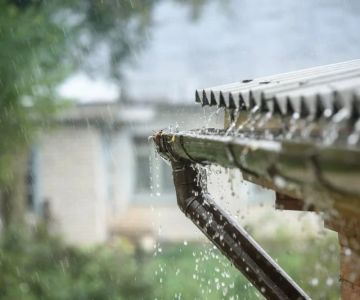
- Clean Gutters: Clogged gutters can cause water to pool on the roof, leading to leaks and water damage. Clean your gutters regularly to ensure that rainwater can flow freely off your roof.
- Trim Overhanging Branches: Trees and branches that hang over your roof can cause physical damage and trap moisture against the shingles. Trim branches regularly to prevent this type of damage.
- Fix Leaks Immediately: If you notice any signs of leaks or water damage, have them repaired immediately. Delaying repairs can lead to more extensive damage to both the roof and the interior of your home.
Real-Life Case of Roof Repair and Prevention
Consider the case of the Johnson family, who recently noticed curling shingles along the edges of their roof. They had installed their roof five years ago and had never performed regular maintenance. Upon inspection, a local roofing contractor found that their attic had poor ventilation, which contributed to the heat buildup under the roof, causing the shingles to curl.
To solve the problem, the contractor improved the attic ventilation system and replaced the damaged shingles. Additionally, they recommended installing higher-quality shingles to prevent further issues. Since then, the Johnson family has not experienced any additional curling or popping of shingles, and their roof has performed much better during the hot summer months.
This real-life example highlights the importance of both addressing existing issues and taking preventive steps to protect your roof in the future.
If you’re concerned about roof issues such as curling or popping shingles, consider contacting Pickering Roofing for professional advice and top-quality roofing services tailored to your needs.


 Couvreurs Raymond Cormier4.0 (11 reviews)
 Transcona Roofing4.0 (61 reviews)
 South Simcoe Roofing4.0 (8 reviews)
 Great North Property Enhancement Specialists0.0 (0 reviews)
 A-Top Roofing LTD.5.0 (12 reviews)
 Concord Roofing5.0 (15 reviews)
 How Much Does a New Roof Cost in 2025? Canadian Roofing Price Guide
 Top Signs Your Roof Has a Leak and What to Do About It in Canada
 Can You Install a New Roof Over an Old One in Canada?
 The Top Questions to Ask Before Hiring a Roofer in Canada
 What Are the Most Common Roofing Scams and How to Avoid Them in Canada
 How to Prepare Your Home for a Roofing Project in Canada