
- 1. Understanding Roof Shingle Curling
- 2. Common Causes of Roof Shingle Curling
- 3. Preventive Measures to Avoid Shingle Curling
- 4. When to Repair or Replace Your Roof Shingles
- 5. Real-Life Case Study: Shingle Curling in Action
- 6. Recommended Roofing Services from Pickering Roofing
1. Understanding Roof Shingle Curling
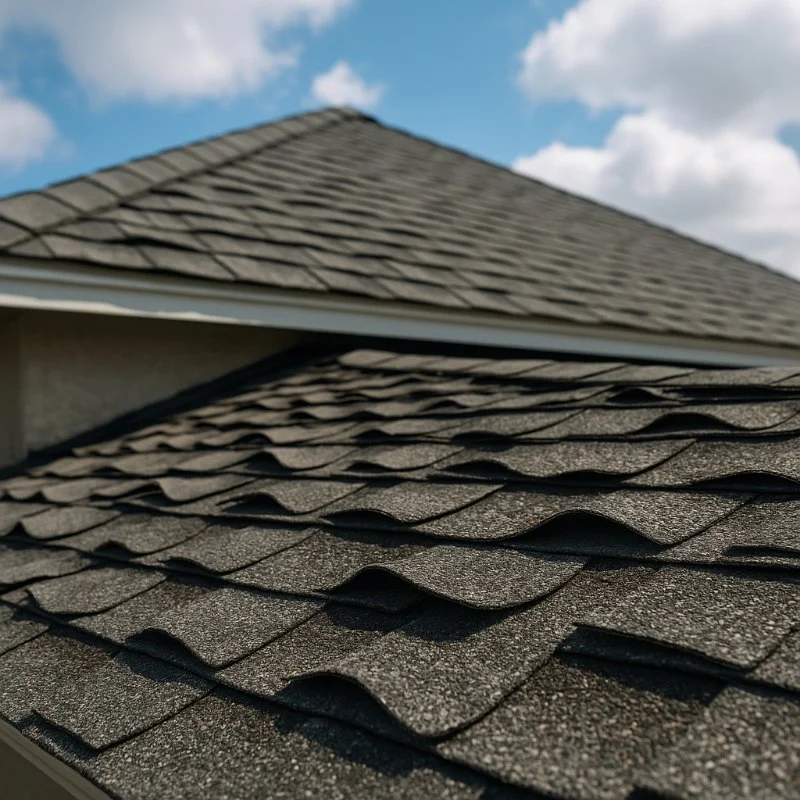
Roof shingle curling is a common problem that affects many homeowners, particularly in regions with extreme weather conditions. When shingles curl, they no longer lay flat on the roof, which can lead to water infiltration, leaks, and premature roof deterioration. Curling can occur at the edges or at the corners of the shingles, and it's important to address this issue quickly to avoid further damage to your home.
There are several reasons why shingles curl, but understanding the causes and recognizing the early signs is key to preventing long-term damage. This article will explore the common causes of shingle curling and provide preventive measures to keep your roof in optimal condition.
2. Common Causes of Roof Shingle Curling
Several factors contribute to the curling of roof shingles, each of which affects the longevity and performance of your roofing materials. Here are the main causes:
1. Age of the Shingles
As roof shingles age, their materials naturally deteriorate. Over time, exposure to sunlight, heat, and moisture causes the shingles to lose their flexibility and curl. Asphalt shingles typically last 20-30 years, but older shingles are more prone to curling and other forms of damage.
2. Poor Ventilation
Poor attic ventilation can lead to excess heat and moisture buildup under the roof, which causes shingles to curl. This is especially common in regions with high humidity or during hot summer months. Without proper airflow, heat accumulates in the attic, leading to shingle warping and curling over time.
3. Improper Installation
If roof shingles are not installed correctly, they are more likely to curl prematurely. Installation issues such as improper nailing, lack of adhesive, or poor alignment can prevent shingles from lying flat, leading to curling or lifting at the edges.
4. Excessive Moisture
Excess moisture, whether from rain, snow, or condensation, can weaken shingles and cause them to curl. Moisture seeps into the shingles, weakening their structure and causing them to bend or warp. In colder climates, ice dams can form on the roof, leading to water buildup beneath the shingles and causing curling or lifting.
5. Poor Quality Shingles
Not all shingles are made the same. Poor-quality shingles or those made from low-grade materials are more likely to curl over time. When selecting shingles, it is important to choose high-quality roofing materials that are resistant to curling, cracking, and other forms of damage.
3. Preventive Measures to Avoid Shingle Curling
Preventing roof shingle curling involves addressing the underlying causes and ensuring your roof is well-maintained. Here are some tips to help you keep your shingles in top condition:
1. Ensure Proper Attic Ventilation
Proper attic ventilation is one of the most effective ways to prevent shingle curling. Ensure your attic is properly ventilated by installing soffit vents, ridge vents, and gable vents. This allows heat and moisture to escape, preventing the buildup that causes shingles to curl.
2. Regular Roof Inspections
Conduct regular roof inspections to check for early signs of curling shingles. If you notice shingles starting to curl at the edges or corners, it’s a sign that they may be deteriorating. Catching these issues early can help you address them before they cause more significant problems.
3. Use High-Quality Roofing Materials
Investing in high-quality shingles that are designed to withstand the elements can reduce the likelihood of curling. Look for shingles that are durable and resistant to curling, cracking, and UV damage. Work with a trusted roofing contractor to select the best materials for your region and climate.
4. Maintain Proper Roof Slope
The slope of your roof plays an important role in preventing water buildup. Ensure that your roof has the proper pitch to allow rainwater to flow off the surface and prevent moisture accumulation. If necessary, consult with a professional roofer to evaluate the slope of your roof.
5. Repair Leaks and Damaged Shingles Promptly
If you notice any leaks or damaged shingles, take immediate action to repair them. Ignoring roof damage can lead to more serious problems, including curling and water infiltration. Prompt repairs will help maintain the integrity of your roof and prevent further damage.
4. When to Repair or Replace Your Roof Shingles
If you notice your shingles curling, it’s important to assess whether a repair or replacement is needed. Here’s how to determine when it’s time to take action:
1. Minor Curling
If only a few shingles are curling, you may be able to repair them by replacing the affected shingles or addressing the ventilation issue causing the curling. It’s important to act quickly to prevent the problem from spreading.
2. Extensive Curling
If a large number of shingles are curling, especially if they are older, it may be time to replace the entire roof. Extensive curling often indicates that the shingles have reached the end of their lifespan and are no longer effective at protecting your home.
5. Real-Life Case Study: Shingle Curling in Action
One of our recent clients at Pickering Roofing experienced significant curling on their roof after several years of exposure to extreme heat and humidity. The client noticed water leaks in the attic and hired us to inspect the roof. Upon inspection, we found that several shingles were curling due to poor attic ventilation and the age of the shingles.
We recommended replacing the damaged shingles, installing additional vents for improved airflow, and using higher-quality shingles for the replacement. After completing the project, the roof was not only more energy-efficient but also had a longer lifespan, helping the homeowner avoid further costly repairs down the line.
6. Recommended Roofing Services from Pickering Roofing
If you're dealing with curling shingles or any other roofing issues, Pickering Roofing offers professional inspection, repair, and replacement services. Our team is experienced in diagnosing roofing problems and providing effective solutions to keep your roof in top condition.
Visit Pickering Roofing today to schedule an inspection or learn more about how we can help with your roofing needs!
 Madge Custom Roofing Ltd.5.0 (19 reviews)
 Toronto Roofer4.0 (25 reviews)
 Absolute Roof Solutions4.0 (242 reviews)
 David Tulloch Roofing5.0 (88 reviews)
 MK2 Construction5.0 (16 reviews)
 Toiture Supra3.0 (8 reviews)
 How Much Does a New Roof Cost in 2025? Canadian Roofing Price Guide
 Top Signs Your Roof Has a Leak and What to Do About It in Canada
 Can You Install a New Roof Over an Old One in Canada?
 The Top Questions to Ask Before Hiring a Roofer in Canada
 What Are the Most Common Roofing Scams and How to Avoid Them in Canada
 How to Prepare Your Home for a Roofing Project in Canada