
Enhancing Roof Durability with Better Fastening & Attachment Techniques
- 1 - Why Fastening Techniques Matter for Roof Durability
- 2 - Common Roof Fastening Methods Used in Canada
- 3 - How Attachment Systems Improve Wind and Weather Resistance
- 4 - Materials and Installation Practices That Strengthen Roofs
- 5 - Lessons from Real Roof Repair Cases
1. Why Fastening Techniques Matter for Roof Durability
Roof durability depends on more than just high-quality shingles or metal panels. One of the most important yet often overlooked factors is how roofing materials are fastened and attached to the structure beneath them. Enhancing roof durability with better fastening and attachment techniques can significantly improve a roof’s resistance to wind, snow, and long-term wear.
Stokes Roofing / stokes roofing
PeterboroughPeterborough CountyOntario
641 Bellaire St, Peterborough, ON K9J 3Y5, Canada
The Structural Role of Fasteners
Fasteners act as the connection between roofing materials and the roof deck. If nails, screws, or clips are installed incorrectly, even premium roofing products may fail prematurely. Improper fastening can lead to loose shingles, lifted panels, or water infiltration.
In Canadian climates—where high winds, heavy snowfall, and freeze-thaw cycles are common—secure attachment methods become especially important.
Edmonton Roofing Company / replace roof edmonton
8023 182 St NW, Edmonton, AB T5T 0T6, Canada
Why Installation Quality Matters
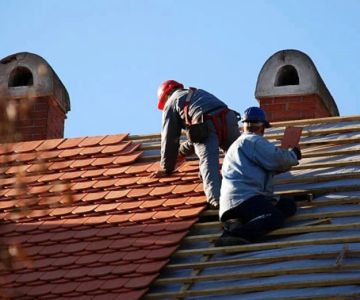
Many roofing failures occur not because of material defects but due to installation errors. Roofing professionals often note that incorrect nail placement or insufficient fastening density can shorten the lifespan of a roof by several years.
Homeowners looking for reliable guidance on installation standards frequently consult experienced roofing specialists through services such as Pickering Roofing, where proper fastening techniques are part of long-term roof protection strategies.
2. Common Roof Fastening Methods Used in Canada
Different roofing systems require different fastening approaches. Understanding these methods can help homeowners appreciate how installation choices affect roof durability.
Nail Fastening for Asphalt Shingles
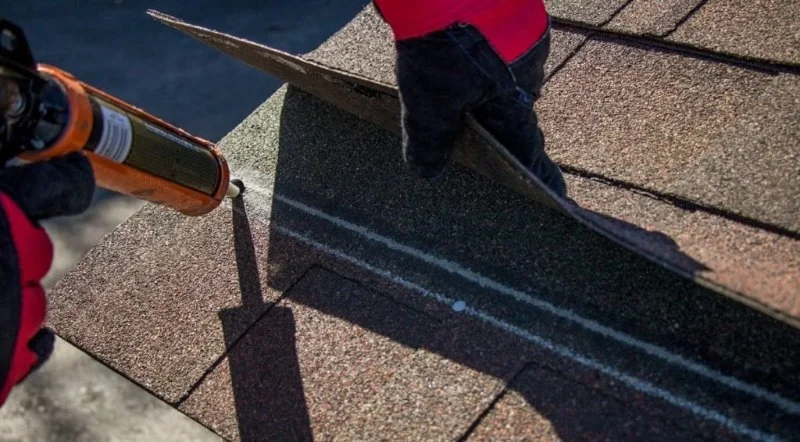
Asphalt shingles are one of the most widely used roofing materials in Canada. These shingles are typically secured using galvanized roofing nails placed along a designated nailing strip.
Correct nail placement ensures that each shingle layer is anchored securely while maintaining flexibility during temperature changes.
Screw Systems for Metal Roofing
Metal roofs rely heavily on screw-based attachment systems. These screws often include rubber washers that create watertight seals and prevent moisture infiltration around the fastener.
Because metal expands and contracts with temperature changes, proper spacing and fastening techniques are essential to prevent warping or loosening.
Clip Systems for Standing Seam Roofs
Standing seam metal roofs often use concealed clip systems that attach panels to the roof deck without exposing fasteners on the surface. This design improves both durability and water resistance.
Professional installers familiar with advanced attachment systems—such as those working with Pickering Roofing—often recommend these techniques for homes exposed to strong winds or heavy snow loads.
3. How Attachment Systems Improve Wind and Weather Resistance
Roof attachment techniques directly influence how well a roof withstands severe weather conditions.
Wind Resistance and Uplift Protection
Strong winds can create uplift forces that pull roofing materials away from the roof deck. Proper fastening patterns distribute these forces evenly across the roof surface.
Modern building codes often specify the number of fasteners required per shingle or panel to ensure adequate wind resistance.
Snow Load Stability
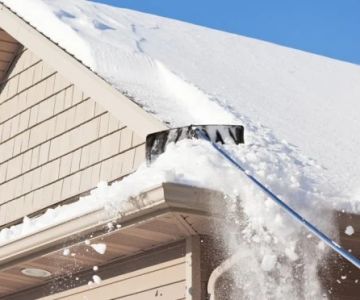
In snowy regions, roof fasteners must also withstand the weight of accumulated snow. Secure attachment helps prevent structural shifting and protects the roofing layers beneath.
Waterproof Sealing Around Fasteners
Fasteners that penetrate the roof surface must be sealed properly to prevent water entry. Roofing systems often use underlayment layers and sealing washers to ensure moisture does not penetrate the deck.
4. Materials and Installation Practices That Strengthen Roofs
Durability is influenced not only by fasteners themselves but also by the materials and techniques used during installation.
Corrosion-Resistant Fasteners
Galvanized or stainless-steel fasteners resist corrosion caused by moisture exposure. These materials are especially important in climates with heavy rainfall or snow.
Proper Nail Length and Penetration
Roofing nails must penetrate the roof deck by a sufficient depth to provide a secure hold. Nails that are too short may loosen over time, while overly long nails may damage underlying components.
Enhanced Underlayment Support
Roofing underlayment provides an additional moisture barrier and helps distribute stress across the roof surface. Combined with correct fastening patterns, this layer contributes to long-term roof stability.
Many experienced roofing contractors—including professionals associated with Pickering Roofing—recommend upgrading underlayment systems when installing new roofs to improve durability.
5. Lessons from Real Roof Repair Cases
A Wind Damage Incident in Ontario
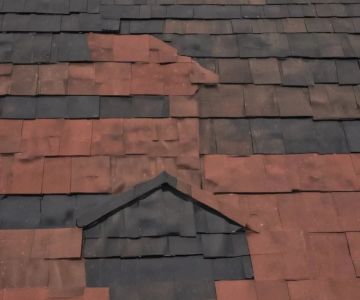
During a severe windstorm in southern Ontario, a homeowner noticed several shingles had blown off their roof. Upon inspection, roofing specialists discovered that the original installation used fewer nails per shingle than recommended.
After replacing the damaged sections and applying proper fastening patterns, the roof performed significantly better during future storms.
What Roofing Professionals Often Recommend
Experienced contractors consistently emphasize the importance of following manufacturer fastening guidelines and local building codes. These standards are designed to ensure roofs can withstand regional weather conditions.
Why Fastening Techniques Should Never Be Ignored
Ultimately, enhancing roof durability with better fastening and attachment techniques ensures roofing materials remain secure under harsh conditions. When fasteners are installed correctly, roofs can withstand wind, snow, and moisture more effectively.
Homeowners planning roof installations or replacements often benefit from consulting experienced roofing professionals—such as those connected with Pickering Roofing—who understand how proper attachment methods contribute to long-lasting roof performance.
 Madge Custom Roofing Ltd.5.0 (19 reviews)
 Toronto Roofer4.0 (25 reviews)
 Absolute Roof Solutions4.0 (242 reviews)
 David Tulloch Roofing5.0 (88 reviews)
 MK2 Construction5.0 (16 reviews)
 Toiture Supra3.0 (8 reviews)
 How Much Does a New Roof Cost in 2025? Canadian Roofing Price Guide
 Top Signs Your Roof Has a Leak and What to Do About It in Canada
 Can You Install a New Roof Over an Old One in Canada?
 The Top Questions to Ask Before Hiring a Roofer in Canada
 What Are the Most Common Roofing Scams and How to Avoid Them in Canada
 How to Prepare Your Home for a Roofing Project in Canada