
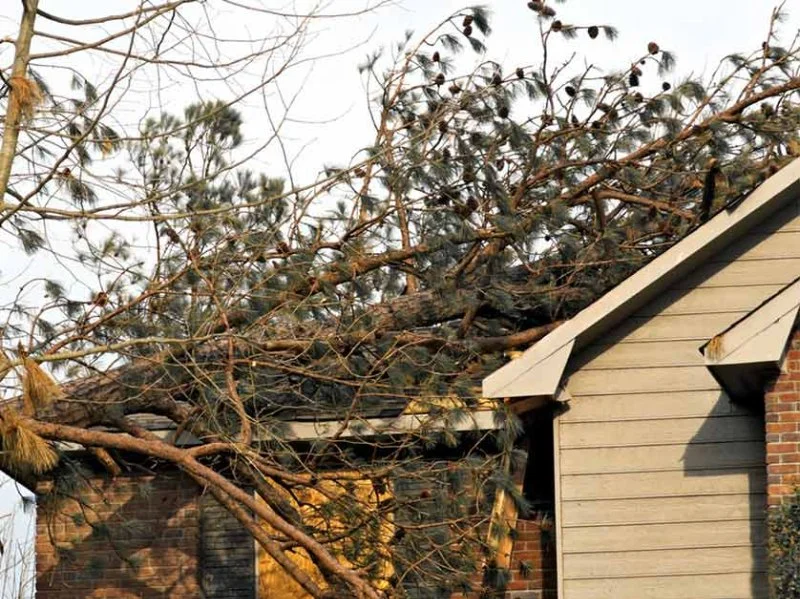
1. Understanding the Risks of Trees and Vegetation
While trees and vegetation can enhance the beauty of your property, they can also pose significant risks to your roof and overall home structure. Tree branches that grow too close to your roof or plants that encroach upon your home can cause damage in several ways. Over time, the risks associated with these natural elements can escalate, leading to costly repairs and maintenance issues. Understanding how trees and vegetation can damage your roof is crucial to keeping your home safe and well-maintained.
Edmonton Roofing Company / replace roof edmonton
8023 182 St NW, Edmonton, AB T5T 0T6, Canada
2. How Tree Branches Damage Roofs
Tree branches are one of the most common causes of roof damage. When branches grow too close to your roof, they can scrape against the shingles, causing wear and tear. Over time, this friction can weaken the roofing material, leading to leaks and potential structural issues. Additionally, strong winds or storms can cause branches to break off and fall onto the roof, resulting in significant damage such as dents, cracks, or even complete roof punctures.
The accumulation of debris from tree branches, such as leaves and twigs, can also clog gutters, causing water to back up and potentially infiltrate your roof. This can lead to rotting wood, mold, and other moisture-related problems.
3. The Impact of Fallen Debris and Overhanging Branches
Fallen debris, including leaves, twigs, and branches, can accumulate on your roof and create several problems. If left unaddressed, this debris can trap moisture on your roof, which can eventually lead to moss, mold, or algae growth. This moisture buildup can compromise the integrity of your roof, especially if it’s not properly ventilated.
Additionally, branches that overhang your roof create a perfect environment for debris to accumulate. Overhanging branches can also obstruct sunlight, keeping your roof cooler and wetter than usual, which promotes the growth of moss and other unwanted vegetation.
4. Vegetation and Moss/Mold Growth on Roofs
Vegetation, such as moss, lichen, and mold, can be a direct result of trees and nearby plants. These organisms thrive in moist environments, and when leaves and branches block sunlight and trap moisture on your roof, they create the ideal conditions for their growth. Moss and lichen can degrade roofing materials, weakening the structure of your roof over time.
Moreover, mold can grow in areas where water accumulates, causing not only roof damage but also potential health concerns for the inhabitants of the home. Left unchecked, moss and mold can significantly reduce the lifespan of your roof and lead to costly repairs. Regular cleaning and trimming of nearby vegetation are essential to preventing these issues.
5. Real-Life Case Study: Roof Damage from Tree Branches
A homeowner in Toronto recently discovered the damage caused by a large maple tree near their house. Over the years, the branches grew increasingly closer to the roof, causing scratches along the shingles. During a heavy winter storm, a branch broke off and fell onto the roof, creating a large hole in the roofing material. In addition, the accumulated leaves in the gutters caused a backup, leading to water infiltration and rot in the attic.
The homeowner had to replace a significant portion of the roof and clean out the gutters, costing thousands of dollars. This situation could have been avoided with regular tree maintenance and trimming, highlighting the importance of keeping trees well away from the roofline.
6. How to Prevent Tree Damage to Your Roof
To protect your roof from tree-related damage, there are several preventative measures you can take:
- Trim Overhanging Branches: Regularly trim any branches that hang over or near your roof to prevent them from causing damage during storms or high winds.
- Remove Dead Trees and Branches: Dead trees or branches are more likely to break off and cause significant roof damage. Remove any trees or branches that are weak or unstable.
- Clear Debris from Roof and Gutters: Regularly inspect your roof for fallen debris and clear it away to avoid moisture buildup that can lead to mold or algae growth. Also, ensure your gutters are clean and free from obstructions.
- Install Protective Barriers: Consider installing protective barriers around your roof to prevent leaves and branches from accumulating in the first place.
- Professional Roof Inspections: Have your roof inspected by a professional roofing service, such as Pickering Roofing, to identify any potential damage caused by vegetation and trees before it becomes a major problem.
 McNaney Roofing2.0 (5 reviews)
 Fraser Shingling & Exteriors4.0 (23 reviews)
 Prime Choice Roofing & Masonry5.0 (4 reviews)
 North America Roofing5.0 (73 reviews)
 Haida Roofing & Drainage5.0 (6 reviews)
 Sinclair Industrial Roofing Inc.3.0 (2 reviews)
 How Much Does a New Roof Cost in 2025? Canadian Roofing Price Guide
 Top Signs Your Roof Has a Leak and What to Do About It in Canada
 Can You Install a New Roof Over an Old One in Canada?
 The Top Questions to Ask Before Hiring a Roofer in Canada
 What Are the Most Common Roofing Scams and How to Avoid Them in Canada
 How to Prepare Your Home for a Roofing Project in Canada