
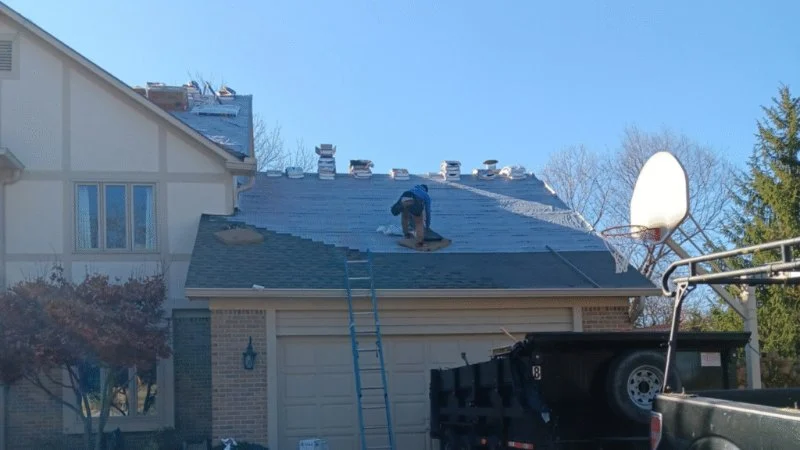
- 1-Why-Roof-Preparation-Matters-in-Canada
- 2-Inspect-Before-Leaving-Home-Empty
- 3-Address-Small-Issues-Before-They-Grow
- 4-Seasonal-Considerations-for-Canadian-Homeowners
- 5-When-to-Call-a-Professional-Roofer
1. Why Roof Preparation Matters in Canada
Understanding how to prepare your roof before long vacation or periods of disuse is especially important for Canadian homeowners. Our climate is unpredictable. In Ontario, for example, a sunny fall afternoon can quickly turn into heavy rainfall, while winter storms can dump significant snow in just hours. Leaving your home unattended without proper roof maintenance can turn a minor vulnerability into a major repair bill.
When a house sits empty, small issues often go unnoticed. A loose shingle may not seem urgent, but under freezing temperatures and repeated thaw cycles, that same shingle can allow water to seep underneath. Over time, this can damage insulation, decking, and even interior ceilings. Preparing your roof in advance is not just about maintenance—it’s about peace of mind while you’re away.
Many insurance claims in Canada during winter involve water intrusion from ice dams or wind-lifted shingles. A proactive approach significantly reduces these risks and protects your investment.
2. Inspect Before Leaving Home Empty
The first step in roof inspection before vacation is a thorough visual assessment. You don’t necessarily need to climb onto the roof yourself, but you should carefully examine it from ground level and, if safe, from a ladder.
2.1 Check Shingles and Flashing
Look for curling, cracked, or missing shingles. Pay close attention to flashing around chimneys, vents, and skylights. Flashing failures are among the most common causes of leaks. Even a small separation can allow water penetration during heavy Canadian rainfall.
2.2 Examine Gutters and Downspouts
Clogged gutters can trap water against your roof edge. Before a long vacation, clean out leaves, debris, and granules. In colder provinces, blocked gutters contribute to ice dam formation. Ensuring proper drainage is a key part of winter roof preparation.
2.3 Inspect the Attic
Inside your attic, look for moisture stains, mold growth, or damp insulation. These signs may indicate hidden roof leaks. Addressing them before leaving your home unused for weeks—or months—can prevent serious structural damage.
3. Address Small Issues Before They Grow
One common mistake homeowners make is postponing minor repairs because “it can wait.” Unfortunately, during long periods of disuse, small roof issues rarely stay small.
3.1 Seal Vulnerable Areas
If you notice minor cracks around vents or flashing, resealing them promptly can prevent water infiltration. In Canada’s freeze-thaw cycles, even tiny gaps expand quickly under pressure from ice.
3.2 Replace Damaged Shingles
Replacing a few shingles now is far more affordable than repairing interior water damage later. High winds, especially near the Great Lakes, can easily lift weakened shingles during storms.
3.3 Trim Overhanging Branches
Tree branches hanging over your roof pose a dual threat. They can scrape shingles during windstorms and drop debris into gutters. In severe weather, falling limbs may cause direct structural damage. Preventive trimming is a simple but effective roof protection tip.
I once spoke with a homeowner in Pickering who left for a two-month winter stay in Florida. A small unresolved flashing issue turned into a leak after a February ice storm. By the time they returned, ceiling drywall had sagged, and insulation needed replacement. A modest pre-trip inspection would have saved thousands.
4. Seasonal Considerations for Canadian Homeowners
Preparing your roof before long vacation or periods of disuse varies depending on the season.
4.1 Winter Departures
If you’re leaving during winter, ensure attic insulation and ventilation are adequate. Poor ventilation contributes to ice dams, one of the biggest roofing challenges in Canada. Confirm that snow guards and roof edges are secure before snowfall begins.
4.2 Summer Absences
Summer storms bring heavy rain and strong winds. Check that all roof penetrations are properly sealed. Consider asking a neighbour to visually monitor your property after major storms.
4.3 Extended Vacancies
For seasonal cottages or homes left vacant for several months, scheduling a professional roof inspection is highly recommended. Extended exposure without monitoring increases the likelihood of unnoticed damage.
5. When to Call a Professional Roofer
While homeowners can handle basic checks, professional evaluation offers deeper peace of mind. Roofing experts can identify subtle issues such as soft decking, early-stage flashing corrosion, or ventilation imbalances that may not be obvious.
If you are unsure how to prepare your roof before long vacation or periods of disuse, consulting specialists like Pickering Roofing can make a significant difference. Experienced professionals understand local weather patterns and building codes, and they can recommend targeted solutions tailored to Canadian homes.
In many cases, homeowners discover that preventive maintenance costs far less than emergency repairs. Investing in a proper inspection before leaving your home unused protects both your property value and your comfort while traveling.
Taking a few thoughtful steps now—inspecting, repairing, cleaning, and consulting professionals when needed—ensures that when you return, your home is exactly as you left it: safe, dry, and secure.


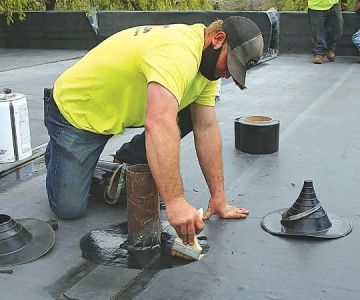
 SAME DAY ROOFING SERVICES CANADA0.0 (0 reviews)
 D & R Roofing Inc4.0 (47 reviews)
 Sharp Exteriors Roofing and Window - Emergency Roof Repairs4.0 (44 reviews)
 Roof Vacuuming - Ontario Disposal Bins0.0 (0 reviews)
 Toiture ABC5.0 (25 reviews)
 Viktor Roofing5.0 (5 reviews)
 How Much Does a New Roof Cost in 2025? Canadian Roofing Price Guide
 Top Signs Your Roof Has a Leak and What to Do About It in Canada
 Can You Install a New Roof Over an Old One in Canada?
 The Top Questions to Ask Before Hiring a Roofer in Canada
 What Are the Most Common Roofing Scams and How to Avoid Them in Canada
 How to Prepare Your Home for a Roofing Project in Canada