
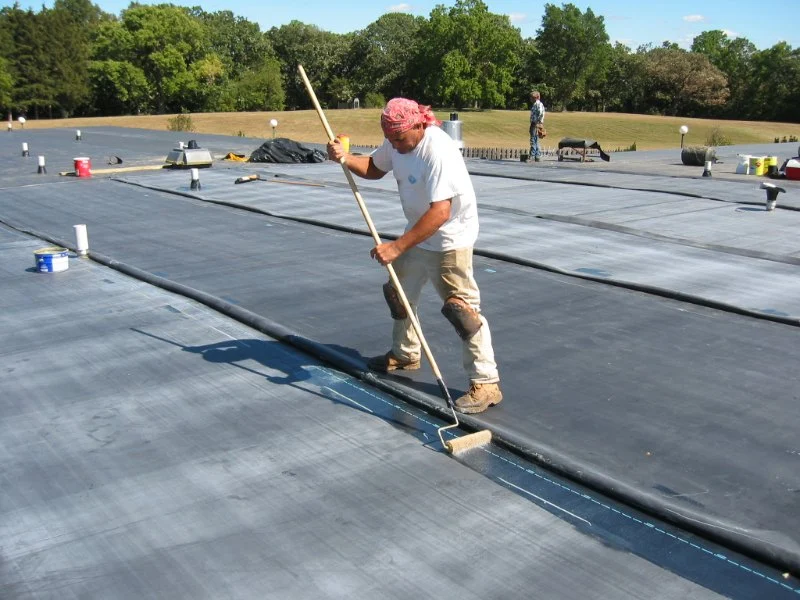
1. Introduction: Understanding Rubber Roofing Membranes
Rubber roofing membranes are a popular choice for both residential and commercial buildings due to their durability, cost-effectiveness, and energy efficiency. However, like all roofing materials, they have a finite lifespan. Over time, rubber roofing can experience wear and tear, leading to the need for maintenance or even replacement. In this article, we’ll explore the lifespan of rubber roofing membranes, how to maintain them, and when it becomes necessary to replace them to ensure the integrity of your roof.
Horizon Roofing Ltd / horizon roofing
3735 Cabana Road E, Windsor, ON N8V 0A5, Canada
2. What Affects the Lifespan of Rubber Roofing Membranes?
Several factors can influence the lifespan of a rubber roofing membrane, including environmental conditions, maintenance practices, and the quality of installation. Understanding these factors can help you better care for your rubber roof and extend its life.
2.1 Environmental Factors
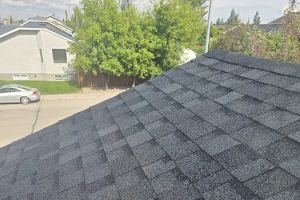
The climate and weather conditions in your area play a significant role in the longevity of rubber roofing. UV rays from the sun can break down the rubber over time, causing it to become brittle. Additionally, exposure to extreme temperatures, heavy rainfall, snow, and ice can contribute to the wear and tear on the roof. For instance, in areas with harsh winters, ice dams can form, putting pressure on the roof and potentially causing damage.
2.2 Installation Quality
The quality of the initial installation also affects the lifespan of your rubber roof. Proper installation ensures that the rubber membrane is sealed and fitted correctly, reducing the risk of leaks and damage. Poor installation practices can lead to issues like water pooling or improper ventilation, which can shorten the life of the roof.
2.3 Maintenance and Care
Regular maintenance plays a crucial role in extending the lifespan of your rubber roofing membrane. Routine inspections, cleaning, and timely repairs can prevent small issues from escalating into larger, more costly problems. Neglecting roof maintenance, on the other hand, can lead to significant damage that may require costly repairs or even a full replacement.
3. Signs That Your Rubber Roof Needs Maintenance
While rubber roofing membranes are designed to last for many years, regular maintenance is essential to keep them in good condition. Here are some signs that your rubber roof may need attention:
3.1 Cracks or Tears
Cracks or tears in the rubber membrane are a clear indication that your roof needs maintenance. These issues can be caused by UV exposure, temperature fluctuations, or physical damage. If left unaddressed, cracks can lead to leaks and further deterioration of the roofing material.
3.2 Pooling Water
Rubber roofs are designed to be watertight, but if there are areas where water is pooling, it’s a sign of improper drainage or damage to the membrane. Standing water can weaken the material and increase the risk of leaks. It’s essential to fix these drainage issues as soon as they’re noticed to prevent long-term damage.
3.3 Algae or Moss Growth
Algae or moss growing on your rubber roof is another sign that it may need maintenance. While this may seem like a minor cosmetic issue, it can eventually lead to the degradation of the roofing material. Algae and moss thrive in areas with poor drainage and excess moisture, which can compromise the membrane’s integrity.
3.4 Loss of Flexibility
As rubber roofing ages, it may lose its flexibility and become more prone to cracking or splitting. If your roof is becoming brittle, it may be time to consider replacing the membrane. Regular maintenance can help delay this process, but eventually, the rubber will reach a point where it can no longer withstand the elements.
4. When Should You Replace Your Rubber Roofing Membrane?
While regular maintenance can extend the life of your rubber roof, there comes a time when repairs are no longer sufficient, and replacement is necessary. Here are some factors that indicate it may be time to replace your rubber roofing membrane:
4.1 Significant Wear and Tear
If your rubber roof has reached the end of its lifespan, which is typically between 20 and 30 years, significant wear and tear may be visible. At this point, the membrane may be too damaged to repair effectively. If the roof has extensive cracks, tears, or holes, it’s usually more cost-effective to replace the entire roof rather than attempting repairs.
4.2 Increased Energy Costs
As rubber roofing deteriorates, it can lose its insulating properties. This can lead to higher energy bills as your home or building becomes less energy-efficient. If you notice a sudden increase in your heating or cooling costs, it could be a sign that your roof is no longer performing as it should and may need replacing.
4.3 Leaks That Cannot Be Repaired
Small leaks can often be repaired with patching, but if the rubber membrane has multiple leaks or the damage is too extensive, it may be impossible to fix without replacing the entire roof. If you find that your roof is leaking in multiple spots and repairs are no longer effective, it’s time to consider a full replacement.
5. Case Study: Replacing a Rubber Roof on a Commercial Building
Consider the case of a commercial building in Toronto that had a rubber roofing membrane installed 25 years ago. Over time, the building owner noticed increased energy bills and frequent leaks during rainstorms. After consulting with a roofing professional, the owner decided to replace the rubber membrane with a new, more energy-efficient material. The new roof not only solved the leakage issues but also reduced the building's energy consumption, leading to long-term savings. This case highlights the importance of replacing aging roofing membranes to improve both the structure’s integrity and energy efficiency.
6. Why Choose Pro Found Roofing for Your Roof Replacement Needs
If you're considering replacing your rubber roofing membrane, Pro Found Roofing is here to help. We specialize in roofing solutions for both residential and commercial properties, providing expert advice and professional installation services. Whether you need a full roof replacement or just maintenance, our team is ready to ensure your roof performs at its best. Visit our website today to learn more about our services and how we can help protect your property with a reliable, durable roof.
 Concept Roofing Ltd.5.0 (4 reviews)
 Allpro Roofing and Exteriors inc5.0 (3 reviews)
 24roofer.ca0.0 (0 reviews)
 Expert Roofing5.0 (18 reviews)
 Metal Roof Estimates0.0 (0 reviews)
 Toiture Expert SLB Inc. - Couvreur Résidentiel et Commercial5.0 (8 reviews)
 How Much Does a New Roof Cost in 2025? Canadian Roofing Price Guide
 Top Signs Your Roof Has a Leak and What to Do About It in Canada
 Can You Install a New Roof Over an Old One in Canada?
 The Top Questions to Ask Before Hiring a Roofer in Canada
 What Are the Most Common Roofing Scams and How to Avoid Them in Canada
 How to Prepare Your Home for a Roofing Project in Canada