
Roof Wind Uplift: How to Secure Roofs in High Wind Areas
- Step 1 - Understanding Roof Wind Uplift
- Step 2 - Importance of Roof Securement in High Wind Areas
- Step 3 - Best Roofing Materials for Wind Resistance
- Step 4 - Techniques for Securing Roofs Against Wind Uplift
- Step 5 - Regular Maintenance to Prevent Roof Wind Damage
Step 1 - Understanding Roof Wind Uplift
Roof wind uplift occurs when high winds create a difference in air pressure on different sides of the roof, leading to the lifting or even complete removal of roofing materials. This is a significant concern in areas prone to severe storms, hurricanes, or tornadoes.
Understanding how wind uplift works is the first step in preventing damage. High winds can force air underneath the roof, causing the shingles or roofing materials to lift. The pressure can be so intense that it may detach roofing materials entirely, exposing your home to further damage.
XACT Roof & Renovation Ltd. / xact roofing
227 Regent Ave W, Winnipeg, MB R2C 1R3, Canada
Step 2 - Importance of Roof Securement in High Wind Areas
In regions where high winds are common, securing your roof is essential. Without proper reinforcement, your roof may not withstand the forces of nature. Over time, this can lead to costly repairs or even complete roof replacement.
Homes in coastal areas, for example, face more frequent and intense storms that can cause severe roof damage. Understanding wind uplift and securing your roof helps prevent such damage, protecting both your property and your family's safety.
Toitures Garant et Frères Inc / toiture garant
LévisChaudière-AppalachesQuébec
6615 Rue Alfred-Pellan, Lévis, QC G6V 9S9, Canada
Step 3 - Best Roofing Materials for Wind Resistance
When choosing roofing materials for high wind areas, it’s crucial to select options designed to resist wind uplift. Some materials are more durable than others and can withstand high winds better. Here are some roofing materials that are known for their wind resistance:
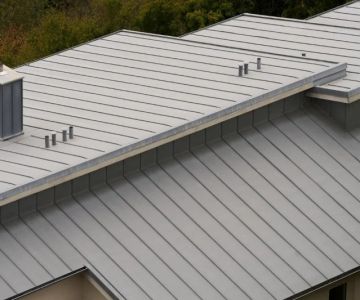
- Metal Roofing: Metal roofs are highly resistant to wind uplift due to their solid construction and secure attachment to the building. They also have the added benefit of being lightweight, making them less susceptible to damage during storms.
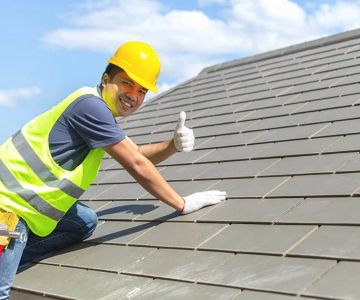
- Impact-Resistant Shingles: These shingles are designed to withstand high winds and impacts from debris. They are commonly used in regions prone to hurricanes and other severe weather events.
- Concrete Tiles: Concrete tiles are extremely durable and can resist high winds. These tiles are heavy, which helps them stay securely in place even during intense storms.
- Clay Tiles: Like concrete tiles, clay tiles offer strong resistance to wind uplift. However, they are more brittle than concrete, so they must be installed carefully to avoid cracking under pressure.
Step 4 - Techniques for Securing Roofs Against Wind Uplift
Once you've selected the best roofing materials, the next step is to ensure your roof is properly secured. Here are some techniques to prevent wind uplift:
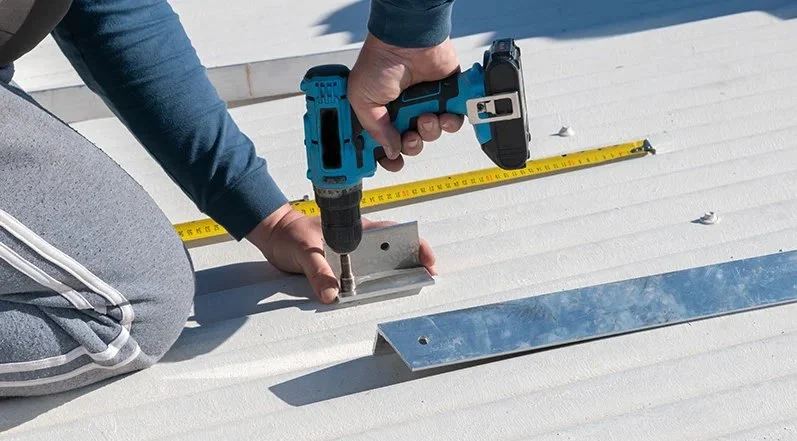
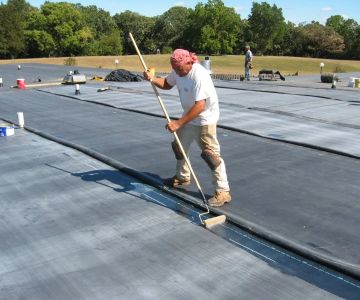
- Proper Installation: The installation process is crucial in securing a roof. Ensure that roofing materials are nailed or screwed down tightly, and use high-quality fasteners to hold everything in place.
- Roof Decking Reinforcement: Reinforcing the roof deck with metal straps or hurricane clips can help prevent wind uplift. These fasteners connect the roof deck to the walls, reducing the chance of the roof being lifted off during a storm.
- Ventilation: Proper attic ventilation helps equalize pressure inside and outside the house, preventing the buildup of wind pressure that could cause damage.
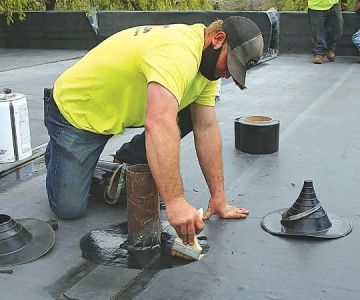
- Edge Securement: Securing the edges of the roof, especially the eaves and ridges, helps prevent wind from getting under the roofing materials. Using special adhesives or fasteners can keep these areas intact during high winds.
Step 5 - Regular Maintenance to Prevent Roof Wind Damage
Regular roof maintenance is essential to ensure your roof remains secure in high wind conditions. Over time, materials can degrade, and fasteners may loosen, increasing the risk of wind uplift.
Inspect your roof at least twice a year for signs of damage. Look for missing shingles, cracked tiles, or loose fasteners. In addition, make sure your gutters and downspouts are clear to prevent water from pooling and adding weight to the roof. Early detection and repair of small issues can prevent larger, more expensive problems in the future.
For expert advice on securing your roof in high wind areas, visit Pickering Roofing to get quality products and professional services tailored to your needs.

 LCD Construction Inc.4.0 (30 reviews)
 Silver Oak Roofing5.0 (99 reviews)
 Toiture Québec4.0 (127 reviews)
 Osland Roofing5.0 (25 reviews)
 Tormax Roofing Inc.5.0 (1 reviews)
 Rydel Roofing4.0 (24 reviews)
 How Much Does a New Roof Cost in 2025? Canadian Roofing Price Guide
 Top Signs Your Roof Has a Leak and What to Do About It in Canada
 Can You Install a New Roof Over an Old One in Canada?
 The Top Questions to Ask Before Hiring a Roofer in Canada
 What Are the Most Common Roofing Scams and How to Avoid Them in Canada
 How to Prepare Your Home for a Roofing Project in Canada