
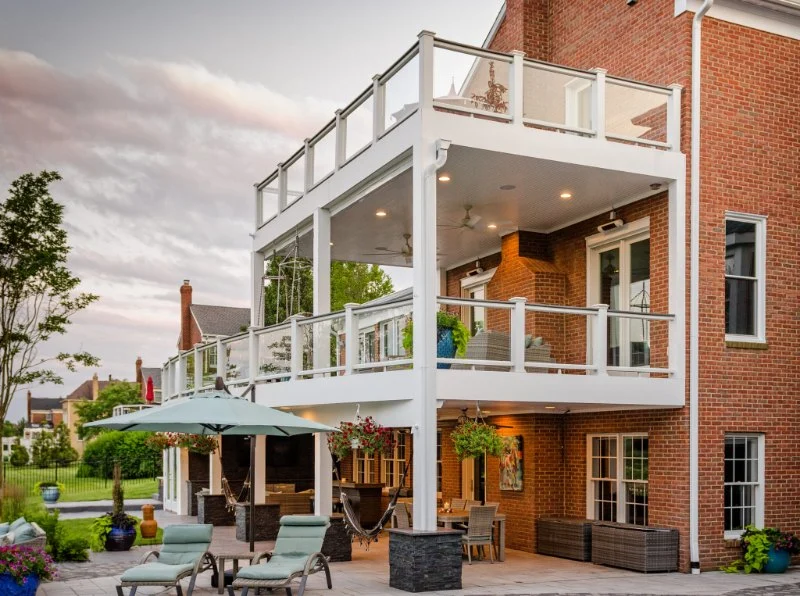
- Understanding-Roof-Deck-Weight-Capacity-and-Load-Limits
- Structural-Factors-That-Determine-Roof-Load-Capacity
- Canadian-Weather-and-Snow-Load-Considerations
- Common-Mistakes-That-Lead-to-Roof-Overloading
- How-to-Evaluate-Your-Rooftop-Deck-Safely
Understanding Roof Deck Weight Capacity and Load Limits
Homeowners planning a rooftop patio or entertainment space often ask the same question: Roof Deck Weight Capacity: How Much Load Can It Handle? The answer depends on several structural and environmental factors, especially in Canada where heavy snow loads must be considered alongside everyday use.
Roof deck weight capacity refers to the maximum load a roof structure can safely support without structural damage or failure. This load includes permanent materials such as decking and railings, as well as temporary loads like people, furniture, planters, and snow accumulation.
1. Understanding Different Types of Roof Loads
Roof structures are designed to handle several types of weight simultaneously.
1.1 Dead Loads
Dead load refers to the permanent weight of structural components such as joists, decking materials, insulation, and roofing membranes. A typical residential roof deck already carries significant dead load before any furniture or occupants are added.
1.2 Live Loads
Live load includes people, outdoor furniture, grills, and temporary items placed on the deck. Canadian building codes typically require residential decks to support at least moderate live loads, but rooftop decks often require engineering review before use.
1.3 Environmental Loads
Environmental loads include snow, rainwater accumulation, and ice buildup. These loads can fluctuate dramatically throughout the year and are especially important in northern climates.
2. Typical Capacity Ranges
While every structure is different, typical residential roof decks are often designed to support roughly 40–60 pounds per square foot. However, older homes or modified roofs may support significantly less, which is why professional evaluation is important.
Homeowners considering rooftop renovations often consult specialists such as Pickering Roofing to determine whether their structure can safely support additional weight.
Structural Factors That Determine Roof Load Capacity
Several structural features influence how much load a roof deck can handle safely.
3. Roof Framing Design
The structural framing underneath the deck plays the largest role in load capacity.
3.1 Joist Size and Spacing
Larger joists spaced closer together generally support heavier loads. Modern construction typically uses engineered lumber designed for predictable strength.
3.2 Beam and Support Placement
Support beams transfer weight into load-bearing walls or posts. Improper beam spacing can limit how much weight a roof deck can safely carry.
4. Decking Materials
Different decking materials add different levels of dead load.
4.1 Lightweight Deck Systems
Composite boards and aluminum framing systems reduce permanent load and allow more capacity for live loads.
4.2 Heavy Surface Materials
Concrete pavers and stone tiles add significant weight. These materials may require structural reinforcement before installation.
5. Building Age and Condition
The age and condition of the structure strongly influence load safety.
5.1 Older Homes
Older roofs may not meet modern load standards and may require reinforcement before converting into usable decks.
5.2 Structural Wear
Moisture damage or weakened wood framing reduces load capacity over time.
Canadian Weather and Snow Load Considerations
Canadian climates introduce unique challenges when calculating roof deck weight capacity.
6. Snow Load Requirements
Snow accumulation can add thousands of pounds to a roof surface.
6.1 Seasonal Weight Changes
A roof deck that safely supports a summer gathering may approach its limits during winter snowfall.
6.2 Wet Snow vs Dry Snow
Wet snow is significantly heavier than powder snow and can double the expected load on a roof.
7. Real Homeowner Experience
A homeowner in Ontario installed decorative concrete planters and heavy outdoor seating on a flat roof deck without consulting a professional. During a winter with above-average snowfall, the combined weight caused visible sagging in the ceiling below. A later inspection revealed that the roof structure was never designed for both heavy materials and snow loads at the same time.
This situation highlights why accurate load calculations are critical before installing rooftop features.
Common Mistakes That Lead to Roof Overloading
Many roof deck problems result from small decisions that add up to excessive weight.
8. Adding Features Gradually
Weight often accumulates over time.
8.1 Furniture and Equipment
Outdoor kitchens, hot tubs, and large seating arrangements can quickly exceed safe limits.
8.2 Planters and Landscaping
Soil and water retention make planters much heavier than expected.
9. Ignoring Seasonal Conditions
Load calculations must account for winter conditions.
9.1 Snow and Ice Accumulation
Ignoring snow loads can result in dangerous structural stress.
9.2 Water Pooling
Poor drainage can allow water to accumulate and increase roof weight.
10. Assuming All Decks Are Equal
Different roofs have different capacities.
10.1 Garage Roofs vs House Roofs
Garage roofs often have lower load capacity than main house structures.
10.2 Renovated Structures
Modifications made over time may affect structural integrity.
How to Evaluate Your Rooftop Deck Safely
Before building or upgrading a roof deck, a careful evaluation ensures safe long-term use.
11. Professional Structural Assessment
An engineering assessment provides the most accurate load capacity estimate.
11.1 Structural Measurements
Engineers evaluate joists, beams, and supports to calculate safe load limits.
11.2 Reinforcement Planning
If capacity is insufficient, structural reinforcement can often increase load limits safely.
12. Planning for Long-Term Use
Designing for future needs helps avoid costly changes later.
12.1 Allowing Safety Margins
Maintaining a margin below maximum load capacity improves long-term safety.
12.2 Choosing Lightweight Materials
Lightweight decking systems allow more flexibility for furniture and seasonal use.
Experienced contractors at Pickering Roofing can help evaluate structural conditions and recommend roofing solutions that support safe and durable rooftop decks suitable for Canadian weather conditions.

 Gumban Roofing And Renovation4.0 (27 reviews)
 Roof Rescue ON Scarborough0.0 (0 reviews)
 L.Perron Couvreur4.0 (17 reviews)
 D.S. Roofing Ottawa0.0 (0 reviews)
 Toitures URBI4.0 (36 reviews)
 Bright Green Roof London5.0 (13 reviews)
 How Much Does a New Roof Cost in 2025? Canadian Roofing Price Guide
 Top Signs Your Roof Has a Leak and What to Do About It in Canada
 Can You Install a New Roof Over an Old One in Canada?
 The Top Questions to Ask Before Hiring a Roofer in Canada
 What Are the Most Common Roofing Scams and How to Avoid Them in Canada
 How to Prepare Your Home for a Roofing Project in Canada