
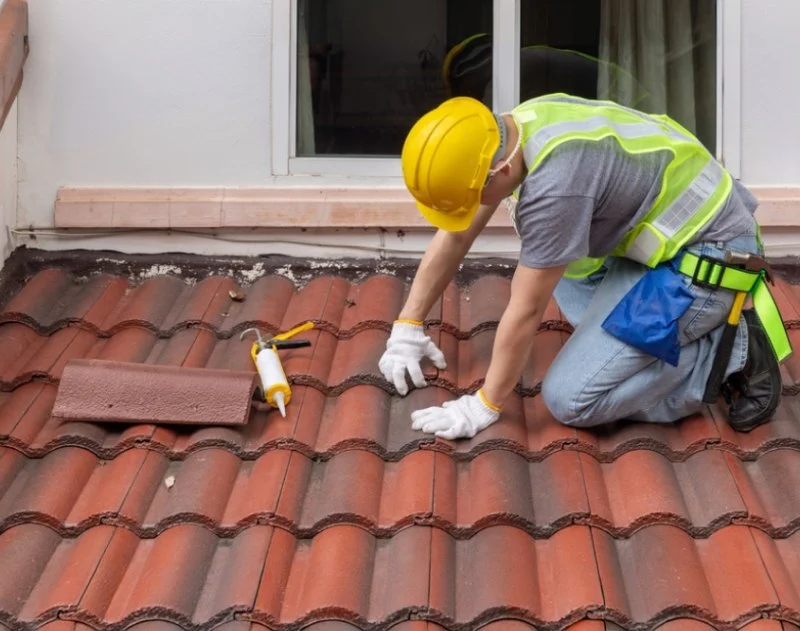
- 1. Why Storm Preparation is Crucial for Your Roof
- 2. Roof Inspection Before a Storm or Hail Event
- 3. Reinforcing Your Roof Structure for Maximum Protection
- 4. Choosing Hail-Resistant Roofing Materials
- 5. Cleaning and Maintenance Tips to Prevent Storm Damage
- 6. How Pickering Roofing Can Help You Prepare
1. Why Storm Preparation is Crucial for Your Roof
In Canada, the risk of severe storms and hail events is significant, especially in the colder months. Whether it’s a major winter storm or an unexpected hailstorm during the summer, your roof is the first line of defense against extreme weather. Proper roof preparation can not only prevent extensive damage to your home but also save you money on repairs and replacements. Taking proactive steps to prepare your roof for these events is crucial to ensuring its longevity and protecting the structure of your home.
Without the right preparation, your roof could suffer from cracked shingles, leaks, or even complete failure during a storm. In the worst cases, storm damage can lead to expensive repairs and insurance claims. By following a few key preparation steps, you can reduce the risk of damage significantly.
2. Roof Inspection Before a Storm or Hail Event
The first step in preparing your roof for a major storm is conducting a thorough inspection. A roof inspection helps identify weak points that might be vulnerable to storm damage, such as loose shingles, worn flashing, or damaged gutters. It’s best to hire a professional roofing service to ensure a comprehensive assessment of the roof's condition.
During the inspection, check for:
- Loose or missing shingles: Shingles that are not properly secured are more likely to be torn off by high winds or heavy hail.
- Cracked or damaged flashing: Flashing that is compromised allows water to seep into the roof structure, leading to leaks during storms.
- Debris build-up in gutters: Blocked gutters can cause water to back up and damage the roof, especially during heavy rains.
- Weak roof supports: A sagging or unstable roof structure should be addressed immediately to prevent further damage during strong winds or heavy snowfalls.
3. Reinforcing Your Roof Structure for Maximum Protection
Once your roof inspection is complete and any necessary repairs are made, reinforcing your roof structure is essential to help it withstand a storm. Strengthening key components such as rafters, beams, and trusses will ensure your roof can handle the intense pressure caused by heavy snow, ice, or strong winds.
Consider the following:
- Truss and rafter reinforcements: If your home is older, it may benefit from additional bracing to improve the structural integrity of your roof.
- Upgrading fasteners: Replacing old nails or screws with heavy-duty fasteners can improve the overall strength of the roof.
- Installing roof clips or hurricane straps: These components provide additional support to prevent the roof from detaching during high winds.
4. Choosing Hail-Resistant Roofing Materials
Choosing the right roofing materials can make all the difference when preparing your roof for a hailstorm. Some roofing materials are more resistant to hail damage than others, offering better protection for your home.
The following materials are known for their durability and resistance to hail:
- Metal roofing: Metal roofs are highly durable and can withstand severe hail impacts, making them an excellent choice for storm-prone areas.
- Impact-resistant shingles: Asphalt shingles designed with a high impact rating are a popular choice for homeowners who want the appearance of traditional shingles without compromising on durability.
- Tile roofing: Clay and concrete tiles can handle heavy impacts and are effective at withstanding hailstorms, although they may be more expensive than other options.
5. Cleaning and Maintenance Tips to Prevent Storm Damage
Regular cleaning and maintenance are vital to preparing your roof for a major storm or hail event. By keeping your roof clean, you prevent the buildup of debris that can cause water damage or block drainage systems during a storm. Here are some essential maintenance tips:
- Clean gutters regularly: Ensure that gutters and downspouts are free from leaves, branches, and other debris. Clogged gutters can cause water to overflow, leading to roof damage.
- Trim nearby trees: Overhanging branches can cause damage to your roof during storms. Trim any trees close to your roof to prevent branches from falling onto it.
- Inspect and clean the roof periodically: Check for moss, algae, or any growths that can trap moisture and lead to roof deterioration.
6. How Pickering Roofing Can Help You Prepare
At Pickering Roofing, we offer expert roofing services to ensure your roof is ready for any storm or hail event. From detailed inspections and repairs to roof reinforcement and the installation of impact-resistant materials, our team can help you protect your home against extreme weather. Contact us for a comprehensive roof inspection, and let us help you prepare your roof for the worst that winter or storm season can throw at you.



 Adamache construction roofing specialist1.0 (2 reviews)
 Toitures CASA3.0 (3 reviews)
 Flynn Group of Companies - Winnipeg4.0 (21 reviews)
 Pro Home Roofing0.0 (0 reviews)
 ISY Solutions inc.5.0 (34 reviews)
 Georgian Bay Roofing1.0 (1 reviews)
 How Much Does a New Roof Cost in 2025? Canadian Roofing Price Guide
 Top Signs Your Roof Has a Leak and What to Do About It in Canada
 Can You Install a New Roof Over an Old One in Canada?
 The Top Questions to Ask Before Hiring a Roofer in Canada
 What Are the Most Common Roofing Scams and How to Avoid Them in Canada
 How to Prepare Your Home for a Roofing Project in Canada