
- 1. Overview of Custom Roof Shapes
- 2. Gambrel Roof: Style and Benefits
- 3. Mansard Roof: A European Touch
- 4. Hip Roof: Durability and Efficiency
- 5. Gable Roof: Classic and Versatile
- 6. Choosing the Right Roof Shape for Your Home
1. Overview of Custom Roof Shapes
When it comes to designing your home, one of the most important decisions you'll make is choosing the roof style. The roof not only contributes to the overall aesthetic of your home but also plays a crucial role in its durability, insulation, and energy efficiency. Custom roof shapes can add unique character and enhance your home’s curb appeal, but it’s essential to understand the different types before making a decision.
This article will explore some of the most popular custom roof shapes used in residential homes: gambrel, mansard, hip, and gable roofs. Each type offers its own set of advantages, making it important to consider your home’s architecture, budget, and climate before deciding on the best fit.
Flynn Canada Ltd. - Toronto / flynn mississauga
MississaugaRegional Municipality of PeelOntario
6435 Northwest Dr, Mississauga, ON L4V 1X1, Canada
2. Gambrel Roof: Style and Benefits
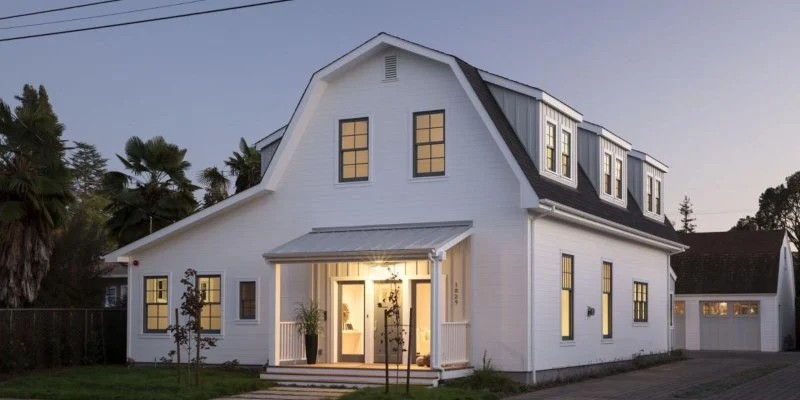
The gambrel roof is a popular choice for barns and cottages, but it’s increasingly being used in modern homes as well. This roof shape features two slopes on each side, with the lower slope being steeper than the upper slope. It’s a distinctive style that gives a home a classic, traditional look while maximizing space in the attic or upper floor.
One of the biggest advantages of a gambrel roof is its ability to create more living space in the upper levels of a home. The steep lower slopes provide additional headroom, making it ideal for homes with lofts or upper-story bedrooms. The design is also efficient when it comes to shedding rain and snow, which can be especially beneficial in Canada’s colder climates.
However, the gambrel roof can be more complex to build, which can increase construction costs. It also requires proper maintenance to ensure the roof’s longevity, particularly in areas with heavy snow and wind.
Marlad Roofing & Siding Inc / marlad
BramptonRegional Municipality of PeelOntario
30 Hale Rd Unit 14, Brampton, ON L6W 4N9, Canada
3. Mansard Roof: A European Touch
The mansard roof, also known as a French roof, is a four-sided design with both slopes being of different steepness. The lower slopes are steep, while the upper slopes are almost flat. This style allows for maximum use of the top floor, making it ideal for homes that need extra living space or a full attic conversion.
Often seen in French-inspired architecture, the mansard roof offers both aesthetic appeal and practical functionality. It’s particularly popular for homes with a traditional or vintage aesthetic. One key benefit of this roof is the additional space it provides in the upper floors, which can be converted into living quarters or even rented out as a loft.
Like the gambrel roof, the mansard design can also face challenges in snowy regions due to the flatness of the upper slopes. Proper drainage and ventilation are critical to prevent water and snow accumulation. Additionally, mansard roofs tend to be more expensive to construct due to their complex design and construction requirements.
4. Hip Roof: Durability and Efficiency
The hip roof is a more common choice for homes in regions with variable weather conditions. Unlike gable roofs, all four sides of a hip roof slope downward toward the walls, making it highly resistant to strong winds. The uniformity of the design offers additional stability, which is why it’s a preferred choice in areas prone to storms or extreme weather.
One of the advantages of a hip roof is its energy efficiency. The slope of the roof allows for better air circulation, keeping the home cooler in the summer and warmer in the winter. The design also offers more attic space and storage than gable roofs, making it a functional choice for families with growing storage needs.
The downside to hip roofs is that they can be more expensive to build, especially for large homes, due to the complexity of the design. It’s also harder to build a usable attic space, since the angles of the roof may restrict usable headspace at the peak.
5. Gable Roof: Classic and Versatile
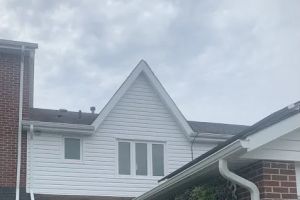
The gable roof is one of the most common roof types in North America. Featuring two sloped sides that meet at a ridge, the gable roof is simple, efficient, and highly versatile. It’s a classic design that works well for many different home styles, from modern to traditional.
The gable roof allows for easy water runoff, which is particularly useful in areas with heavy rainfall or snow. The design is also great for adding space in the attic, as the slopes create a spacious vaulted ceiling that can be used for storage or additional living space.
While gable roofs are cost-effective and easy to build, they are less stable than hip roofs in areas with high winds. In regions with severe weather, the roof’s peak may be vulnerable to damage, but adding braces or reinforced framing can mitigate this risk.
6. Choosing the Right Roof Shape for Your Home
Choosing the right roof shape for your home is crucial to ensuring that you get the most out of your design and investment. While each roof style has its own benefits and drawbacks, the decision should be based on several factors:
- Climate: In colder regions like Canada, roofs that shed snow effectively, such as gambrel or mansard roofs, can be a practical choice. Alternatively, a hip roof may be ideal for areas with frequent storms.
- Space: If you’re looking for additional living space, consider a gambrel or mansard roof, which maximizes upper-floor space.
- Aesthetic Appeal: Different roof shapes complement various architectural styles. A gable roof may be ideal for a classic home, while a mansard roof may work better for a French-inspired design.
Ultimately, the best roof for your home will depend on your needs, budget, and personal preferences. Be sure to consult with a professional roofing contractor to discuss your options and ensure the roof you choose suits your home’s architecture and climate.
If you need expert advice on roof shapes or are looking for high-quality roofing services, visit Pickering Roofing, where we offer a wide range of roofing solutions tailored to your needs.

 Muskoka Roofing Company3.0 (19 reviews)
 Impress Roofing & Exteriors4.0 (32 reviews)
 The Roof Technician Vaughan5.0 (4 reviews)
 Roofing Pros of Ontario5.0 (2 reviews)
 Ebenezer Roofing4.0 (102 reviews)
 North Group Roofing inc.5.0 (49 reviews)
 How Much Does a New Roof Cost in 2025? Canadian Roofing Price Guide
 Top Signs Your Roof Has a Leak and What to Do About It in Canada
 Can You Install a New Roof Over an Old One in Canada?
 The Top Questions to Ask Before Hiring a Roofer in Canada
 What Are the Most Common Roofing Scams and How to Avoid Them in Canada
 How to Prepare Your Home for a Roofing Project in Canada