
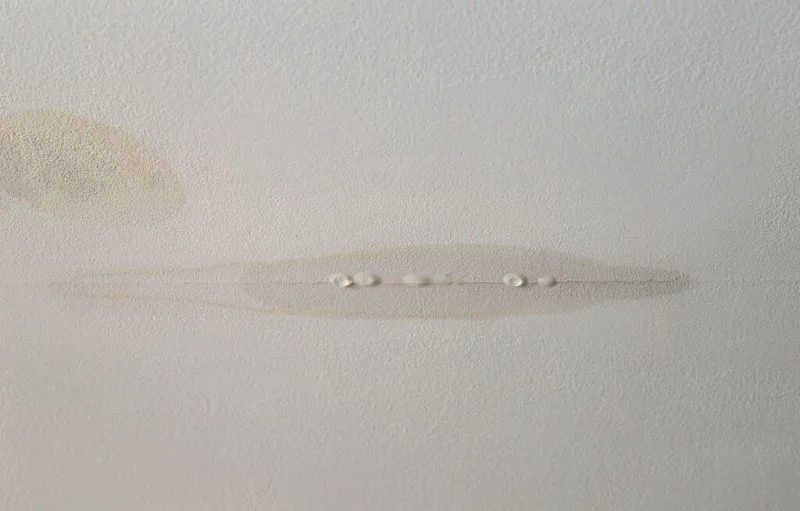
- Immediate-Actions-When-Water-Enters-Your-Home
- How-to-Minimize-Interior-and-Structural-Damage
- Identifying-the-Source-of-a-Roof-Leak
- Temporary-Fixes-Before-Professional-Help
- Real-Case-Canadian-Homeowner-Experience
- Preventing-Future-Roof-Leak-Emergencies
1. Immediate Actions When Water Enters Your Home
A roof leak emergency can feel overwhelming, especially during a harsh Canadian winter or heavy rainfall. The moment water starts dripping through your ceiling, every second matters. Knowing what to do immediately when water gets in can mean the difference between a manageable repair and thousands of dollars in damage.
1.1 Stay Calm and Assess the Situation
Your first instinct might be panic—but clarity is more useful. Identify where the water is entering and how quickly it is spreading. A slow drip requires a different approach than a steady stream.
1.2 Protect Your Belongings
Move furniture, electronics, and valuables away from the affected area. If moving items isn’t possible, use plastic sheets or garbage bags to shield them. This quick action can prevent irreversible damage.
1.3 Contain the Water
Place buckets, containers, or towels under the leak. In colder regions of Canada, melting snow trapped on roofs often causes leaks, so expect ongoing dripping until the source is addressed.
Toiture Royale Expert Inc. / toiture royale expert
LévisChaudière-AppalachesQuébec
7921 Rue de l'Orge, Lévis, QC G6Y 0G1, Canada
2. How to Minimize Interior and Structural Damage
Once the immediate chaos is under control, the next priority is limiting how far the damage spreads.
2.1 Relieve Pressure in the Ceiling
If you notice a bulging ceiling, it means water is pooling above. Carefully puncturing the lowest point with a small tool allows water to drain in a controlled way, preventing a sudden collapse.
2.2 Turn Off Electricity if Needed
Water and electricity are a dangerous combination. If the leak is near light fixtures or wiring, switch off power in that area to avoid hazards.
2.3 Start Drying the Area
Use fans, dehumidifiers, and open windows (if weather permits) to reduce moisture. The longer water sits, the higher the risk of mold growth—something Canadian homeowners often face due to fluctuating temperatures.

CentiMark Ltd. / centimark corporation
740 Huronia Rd Unit 9, Barrie, ON L4N 6C6, Canada
3. Identifying the Source of a Roof Leak
Understanding where the leak originates is key to resolving the issue effectively. However, the visible drip point is not always the actual source.
3.1 Common Causes in Canadian Homes
Ice dams are one of the most frequent culprits. Snow melts on a warm roof, then refreezes at the edges, trapping water underneath shingles. Over time, this water finds its way inside.
3.2 Inspecting Safely
Check your attic if accessible. Look for damp insulation, water stains, or visible gaps. Avoid climbing onto the roof during storms or icy conditions—it’s not worth the risk.
3.3 Why Leaks Travel
Water often travels along beams or insulation before dripping down. This means the source may be several feet away from where you see the leak.
4. Temporary Fixes Before Professional Help
While waiting for experts, there are temporary measures you can take to reduce damage.
4.1 Tarping the Roof
If weather conditions allow and it’s safe, covering the damaged area with a tarp can block further water entry. This is a common short-term solution used by emergency repair teams.
4.2 Sealants and Quick Patches
Roofing sealant or waterproof tape can temporarily stop small leaks. However, these are not permanent fixes and should only be used as a stopgap.
4.3 When to Call Professionals
In most cases, a roof leak emergency requires expert intervention. Trusted services like Pickering Roofing can assess structural integrity and provide long-term solutions that go beyond surface-level fixes.
5. Real Case: Canadian Homeowner Experience
During a severe winter storm in Ontario, a homeowner woke up to water dripping through their bedroom ceiling. At first, they assumed it was minor condensation. Within hours, the ceiling began to sag.
5.1 What They Did Right
They quickly placed containers under the leak, punctured the bulging ceiling to release water, and turned off electricity in the affected area. These actions prevented further interior damage.
5.2 What They Learned
The root cause turned out to be an ice dam combined with poor attic insulation. The repair required not just fixing shingles but improving ventilation and insulation.
5.3 Key Takeaway
This case highlights an important lesson: a roof leak is often a symptom of a larger issue, not just a surface problem.
6. Preventing Future Roof Leak Emergencies
Once you’ve handled the immediate crisis, it’s worth thinking ahead. Preventing another roof leak emergency is far more cost-effective than repeated repairs.
6.1 Regular Roof Inspections
Inspect your roof at least twice a year—especially before and after winter. Look for missing shingles, cracks, or blocked drainage systems.
6.2 Improve Insulation and Ventilation
Proper attic insulation helps maintain consistent roof temperature, reducing the risk of ice dams. Ventilation ensures moisture doesn’t build up inside.
6.3 Invest in Quality Materials
High-quality roofing materials may cost more upfront but provide better protection against Canada’s extreme weather conditions.
6.4 Work with Experienced Professionals
Reliable providers like Pickering Roofing can help homeowners implement long-term solutions, from structural repairs to preventative upgrades.
Understanding what to do immediately when water gets in empowers you to act quickly, protect your home, and avoid unnecessary stress. A roof leak emergency may be sudden, but with the right knowledge, it’s entirely manageable.

 LCD Construction Inc.4.0 (30 reviews)
 El Nino Roofing Ltd5.0 (3 reviews)
 Silverback Torch-on Systems Ltd0.0 (0 reviews)
 GBS Contracting Services4.0 (37 reviews)
 Pioneer Quality Roofing0.0 (0 reviews)
 Oakdale Roofing & Masonry4.0 (9 reviews)
 How Much Does a New Roof Cost in 2025? Canadian Roofing Price Guide
 Top Signs Your Roof Has a Leak and What to Do About It in Canada
 Can You Install a New Roof Over an Old One in Canada?
 The Top Questions to Ask Before Hiring a Roofer in Canada
 What Are the Most Common Roofing Scams and How to Avoid Them in Canada
 How to Prepare Your Home for a Roofing Project in Canada