
- roof-western-exposure-causes-uv-damage-canada - How sunlight exposure affects roof lifespan
- uv-damage-shingles-fading-cracking - Why UV accelerates material breakdown
- west-facing-roof-maintenance-tips - Practical ways to reduce deterioration
- canada-roof-weather-heat-cycle-stress - Climate impact on roofing systems
- repair-and-prevention-strategies - How to extend roof durability effectively
Understanding Why Western Exposure Becomes a Silent Roof Stress Factor
In many parts of Canada, homeowners notice something puzzling: the west-facing side of their roof often looks older, duller, and more worn than the rest. This is not a coincidence. A roof with western exposure receives intense afternoon sunlight when UV radiation peaks and temperatures are at their highest for the day. Over time, this repeated exposure becomes one of the leading causes of faster deterioration in roofing materials.
Unlike evenly distributed weathering, western exposure creates an uneven aging pattern. This imbalance can lead to structural vulnerabilities, especially when shingles begin to lose their protective granules or when membranes dry out and crack under repeated UV stress. Understanding this phenomenon is the first step toward preventing costly repairs.
Stokes Roofing / stokes roofing
PeterboroughPeterborough CountyOntario
641 Bellaire St, Peterborough, ON K9J 3Y5, Canada
How UV Radiation Accelerates Roofing Damage
1. Material Breakdown at the Surface Level
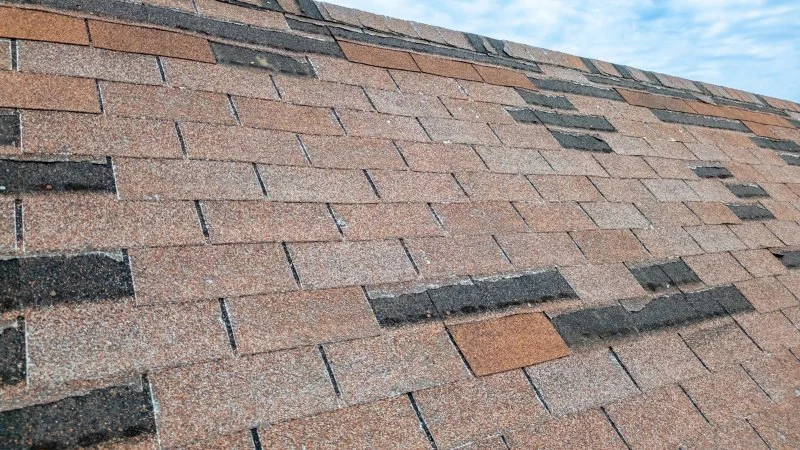
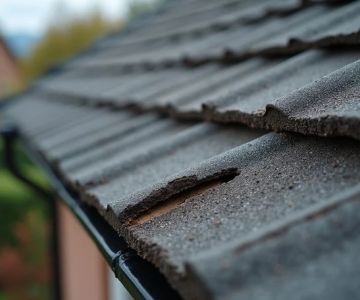
UV rays are particularly harsh on asphalt shingles, which are widely used across Canadian homes. Over time, ultraviolet radiation breaks down the chemical bonds in the protective outer layer. This leads to fading, brittleness, and granule loss. Once granules start falling away, the underlying asphalt becomes exposed, speeding up deterioration significantly.
Vancouver Moss Removal / moss removal north vancouver
VancouverMetro VancouverBritish Columbia
1615 Frances St #105, Vancouver, BC V5L 1Z3, Canada
2. Heat Expansion and Contraction Cycles
Western exposure roofs undergo extreme daily temperature swings. During the afternoon, materials expand under heat. As the sun sets and temperatures drop quickly, they contract. This cycle repeated over hundreds of days creates micro-cracks that gradually widen. These cracks are often the starting point for leaks and insulation issues.
3. Moisture Interaction After UV Weakening
Once UV damage compromises the surface, moisture becomes a secondary destructive force. Rain, snowmelt, and condensation can penetrate weakened areas, leading to rot in the underlayment or structural decking. This combination of UV and moisture damage is particularly problematic in Canadian climates where seasonal variation is extreme.
Real Case Observation: A Home in Ontario with Severe West Roof Aging
A homeowner in Ontario once noticed that only the west-facing slope of their roof showed significant curling shingles after just eight years. The east side remained relatively intact. After inspection, it was found that the property had no reflective roofing treatment and minimal attic ventilation. The western exposure had essentially acted as a solar amplifier, accelerating deterioration by nearly 40% compared to the rest of the roof.
This case highlights a common misunderstanding among homeowners: roof aging is not always uniform. Directional exposure matters just as much as material quality.
Climate Influence: Why Canada Amplifies the Problem
1. Strong Seasonal Sun Angle Variation
Canada experiences extreme seasonal shifts in sun angle. During summer months, the western sun remains intense well into the evening, increasing UV exposure duration for roof surfaces. This extended exposure period plays a major role in material fatigue.
2. Freeze-Thaw Cycles Intensifying Weak Points
After UV rays weaken roofing materials, winter freeze-thaw cycles exploit these weaknesses. Water enters micro-cracks, freezes, expands, and widens the damage. This cycle repeats multiple times per season, especially in regions like Alberta and Ontario.
3. Wind-Driven Weather Complications
Western exposure often aligns with prevailing wind patterns in many Canadian regions. This means the same side of the roof receives not only UV stress but also wind-driven rain and snow, compounding deterioration rates.
How to Identify Early Warning Signs of Western Exposure Damage
1. Uneven Shingle Color Fading
One of the earliest signs is noticeable discoloration. The western slope may appear lighter or patchy compared to other sections.
2. Granule Accumulation in Gutters
Excess granules collecting in gutters indicate that the protective outer layer is breaking down faster than normal.
3. Slight Curling or Edge Lifting
Shingles exposed to prolonged UV radiation often begin to curl at the edges, making them more vulnerable to wind damage.
4. Increased Indoor Temperature Fluctuation
When roofing materials degrade, insulation efficiency can drop, leading to noticeable temperature inconsistencies inside the home.
Prevention and Maintenance Strategies That Actually Work
1. UV-Reflective Roofing Upgrades
Modern roofing technology includes reflective coatings designed to reduce heat absorption. These coatings are especially effective for west-facing roof sections. They can significantly reduce surface temperature and slow material aging.
2. Regular Inspection Cycles
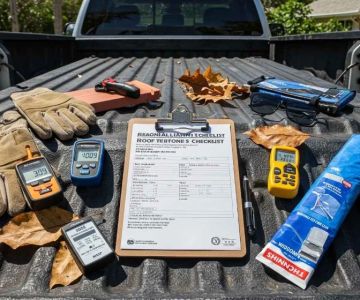
Experts recommend inspecting roofs with strong western exposure at least twice a year. Early detection of damage can prevent minor issues from turning into full replacements.
3. Attic Ventilation Optimization
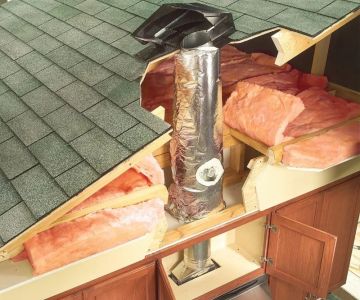
Proper airflow reduces heat buildup under the roof deck. Without adequate ventilation, heat becomes trapped and intensifies UV-related stress from below.
4. Strategic Shingle Replacement
Instead of replacing the entire roof, some homeowners opt to replace only the most affected western slope sections. This targeted approach reduces cost while extending overall roof lifespan.
Professional Insight: Why Directional Roofing Analysis Matters
Roofing professionals increasingly assess homes based on directional exposure rather than just age or material type. Western exposure analysis allows for more accurate forecasting of maintenance needs and helps prioritize reinforcement strategies.
At Pickering Roofing, specialists often evaluate sun exposure patterns before recommending repairs or replacements. This approach ensures homeowners invest in solutions that directly address the root cause of deterioration rather than just surface symptoms.
Long-Term Protection Planning for Canadian Homes
1. Material Selection Based on Climate Reality
Choosing roofing materials designed for high UV resistance is essential in regions with strong western sunlight exposure. Not all shingles perform equally under prolonged sun stress.
2. Reflective Surface Integration
Some advanced roofing systems integrate reflective granules that deflect sunlight rather than absorb it. This significantly reduces thermal stress.
3. Seasonal Maintenance Scheduling
Aligning maintenance with seasonal transitions ensures that damage from summer UV exposure and winter freeze cycles is addressed promptly.
Why Small Damage Patterns Should Never Be Ignored
A common mistake homeowners make is overlooking small, localized damage on the western slope. However, these early signs often indicate deeper structural fatigue. Addressing them early not only prevents leaks but also extends the lifespan of the entire roofing system.
Directional wear patterns are like a diagnostic map of your roof’s health. Once understood, they provide valuable insight into when and where intervention is needed most.


 Les Toitures Normand Gagné0.0 (0 reviews)
 Multi Toits5.0 (2 reviews)
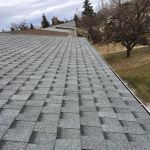 Alberta Strong Roofing Inc.5.0 (37 reviews)
 Exceptional Roofing4.0 (4 reviews)
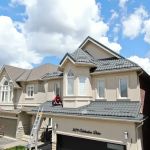 Top Metal Roofs Mississauga4.0 (46 reviews)
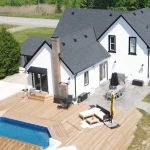 Golden Horseshoe Roofing5.0 (84 reviews)
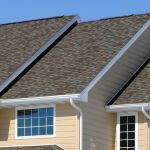 How Much Does a New Roof Cost in 2025? Canadian Roofing Price Guide
 Top Signs Your Roof Has a Leak and What to Do About It in Canada
 Can You Install a New Roof Over an Old One in Canada?
 The Top Questions to Ask Before Hiring a Roofer in Canada
 What Are the Most Common Roofing Scams and How to Avoid Them in Canada
 How to Prepare Your Home for a Roofing Project in Canada