
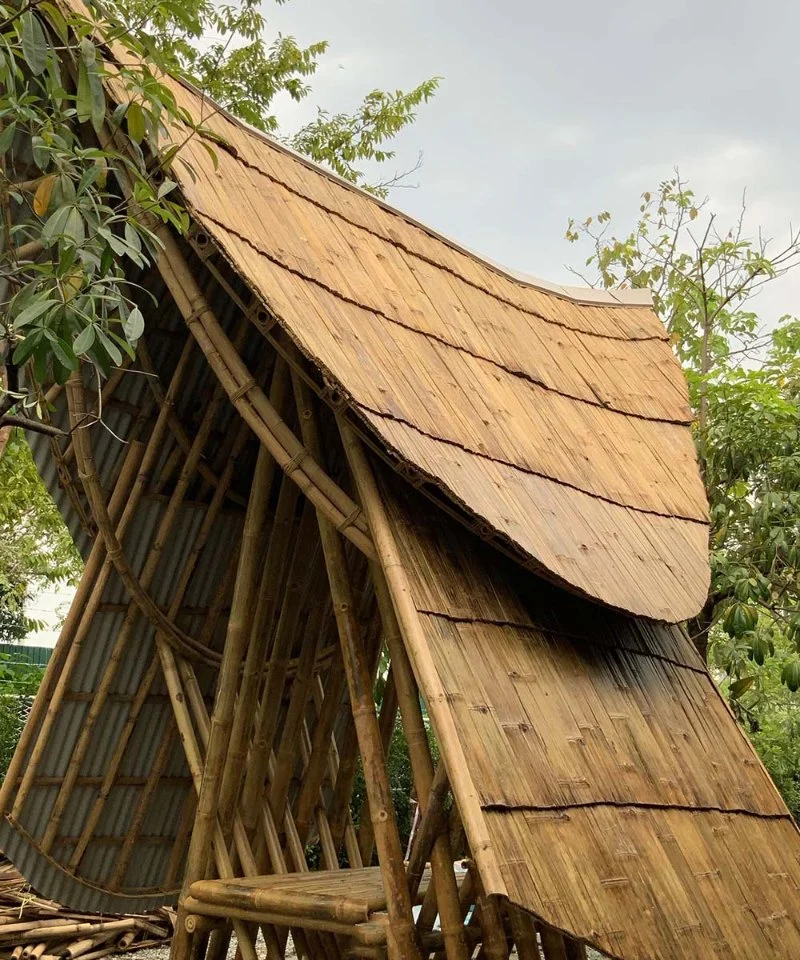
When Nature Meets Ice: The Reality of Bamboo Roofing in Extreme Cold Climates
- 1 - Why Bamboo Roofing Is Gaining Attention in North America - #bamboo-roofing-trend
- 2 - Understanding How Canadian Winters Challenge Roofing Materials - #canadian-winter-impact
- 3 - Structural Properties of Bamboo and Its Natural Strengths - #bamboo-material-properties
- 4 - Can Exotic Roofing Materials Survive Freeze-Thaw Cycles - #freeze-thaw-roofing
- 5 - Real Case Study: Experimental Eco Home in Ontario - #ontario-bamboo-roofing-case
- 6 - Treatment Methods That Improve Bamboo Durability - #bamboo-treatment-techniques
- 7 - Comparing Bamboo Roofing With Asphalt, Metal, and Cedar - #roofing-material-comparison
- 8 - Moisture, Snow Load, and Ice Formation Challenges - #snow-load-roofing-issues
- 9 - Engineering Adaptations for Cold Climate Eco Roofing - #cold-climate-engineering
- 10 - Long-Term Maintenance Expectations in Harsh Winters - #roof-maintenance-cold-weather
- 11 - Why Pickering Roofing Supports Sustainable Roofing Innovation - #roofing-expert-support
Why Bamboo Roofing Is Gaining Attention in North America
The concept of bamboo roofing in Canada may sound unusual at first, especially in regions known for harsh winters and heavy snowfall. However, sustainable architecture trends are pushing builders to explore alternative materials that reduce environmental impact while maintaining structural performance.
Bamboo has become a symbol of eco-friendly construction due to its fast growth rate and renewable nature. Designers are increasingly experimenting with it not just in tropical regions but also in colder climates where innovation is reshaping traditional building standards.
Why Architects Are Exploring Exotic Materials
Modern architecture is shifting toward sustainability. Builders are testing materials that reduce carbon footprints while still delivering acceptable durability in extreme weather conditions.
Best Roofer & Renovation / best roofing toronto
2967 Dundas St W #1584, Toronto, ON M6P 1Z2, Canada
Understanding How Canadian Winters Challenge Roofing Materials
To evaluate whether exotic roofing materials like bamboo can survive in Canada, it’s important to understand the environmental stress factors involved.
Freeze-Thaw Cycles and Structural Stress
One of the biggest challenges in Canadian winters is the repeated freezing and thawing of moisture. This cycle causes expansion and contraction that can weaken roofing structures over time.
Heavy Snow Load Pressure
Roofs must withstand prolonged snow accumulation, which can place significant downward pressure on structural components.
Structural Properties of Bamboo and Its Natural Strengths
Bamboo is surprisingly strong for its weight. It has a tensile strength comparable to steel in some applications, making it an interesting candidate for sustainable roofing options.
Flexibility as a Natural Advantage
Unlike rigid materials, bamboo can bend under pressure, which helps it absorb stress from wind and minor structural shifts.
Limitations in Moisture Resistance
Despite its strength, untreated bamboo is vulnerable to moisture absorption, which becomes a major concern in snowy and icy environments.
Can Exotic Roofing Materials Survive Freeze-Thaw Cycles
The question of durability is central when evaluating winter roofing durability. Freeze-thaw cycles can quickly degrade organic materials if they are not properly treated or engineered for cold climates.
How Moisture Penetration Becomes a Problem
When water enters bamboo fibers and freezes, it expands, causing internal cracking that weakens structural integrity over time.
Engineering Solutions for Protection
Modern treatments involve sealing bamboo with resin-based coatings or combining it with composite layers to improve resistance.
Real Case Study: Experimental Eco Home in Ontario
An experimental eco-home project in Ontario tested partial bamboo roof performance cold climate conditions by integrating bamboo panels with insulated waterproof membranes.
During the first winter season, the structure performed surprisingly well under moderate snowfall. However, after repeated freeze-thaw cycles, minor surface cracking appeared in untreated sections.
The project demonstrated that bamboo alone is not sufficient for Canadian winters, but hybrid systems can significantly improve performance.
Treatment Methods That Improve Bamboo Durability
To make bamboo viable in colder regions, engineers apply several protective techniques.
Heat Treatment and Carbonization
This process removes moisture and sugars that attract pests while increasing structural stability.
Resin and Sealant Coatings
Waterproof coatings help prevent moisture absorption, which is critical for preventing freeze damage.
Composite Reinforcement Systems
Combining bamboo with synthetic materials improves strength and resistance to environmental stress.
Comparing Bamboo Roofing With Asphalt, Metal, and Cedar
When evaluating roofing material comparison in cold climates, traditional materials still dominate for practical reasons.
Asphalt Shingles
Affordable and widely used, asphalt performs well in freezing conditions but has a shorter lifespan compared to metal.
Metal Roofing
Metal is highly durable, sheds snow efficiently, and performs extremely well in Canadian winters.
Cedar Roofing
Cedar offers natural insulation and aesthetic appeal but requires regular maintenance.
Bamboo in Comparison
Bamboo excels in sustainability but requires significant engineering adaptation to match cold-weather durability standards.
Moisture, Snow Load, and Ice Formation Challenges
In Canada, roofing systems must handle not just snow but also ice dam formation and moisture retention.
Ice Dam Risks
Poor insulation can lead to melting snow refreezing at roof edges, causing water backup and potential leaks.
Structural Load Distribution
Roof design must evenly distribute snow weight to prevent stress concentration points that can lead to failure.
Engineering Adaptations for Cold Climate Eco Roofing
For eco roofing Canada projects to succeed, bamboo must be integrated into engineered systems rather than used alone.
Hybrid Roof Layer Systems
Combining bamboo with waterproof membranes and insulation layers improves thermal and moisture resistance.
Ventilation Design Improvements
Proper airflow reduces condensation buildup, which is essential in preventing internal moisture damage.
Long-Term Maintenance Expectations in Harsh Winters
Any roofing system exposed to Canadian winters requires ongoing inspection and maintenance.
Seasonal Inspection Cycles
Checking for cracks, moisture intrusion, and insulation performance helps extend roof lifespan.
Repairing Early Signs of Wear
Small cracks in bamboo components should be addressed immediately to prevent structural degradation.
Why Pickering Roofing Supports Sustainable Roofing Innovation
Pickering Roofing recognizes the growing interest in alternative and sustainable building materials. While traditional roofing systems remain the standard for Canadian climates, innovation continues to shape future construction practices.
By exploring options like bamboo and hybrid eco-systems, homeowners and builders can better understand what works best for long-term durability while maintaining environmental responsibility.

 Shingle Pro0.0 (0 reviews)
 Roof Pro Plus Home Improvements4.0 (26 reviews)
 Swift Roofing Contractor0.0 (0 reviews)
 Provincial Roofing3.0 (13 reviews)
 GTA Roofing4.0 (7 reviews)
 Quik Solutions Roofing3.0 (5 reviews)
 How Much Does a New Roof Cost in 2025? Canadian Roofing Price Guide
 Top Signs Your Roof Has a Leak and What to Do About It in Canada
 Can You Install a New Roof Over an Old One in Canada?
 The Top Questions to Ask Before Hiring a Roofer in Canada
 What Are the Most Common Roofing Scams and How to Avoid Them in Canada
 How to Prepare Your Home for a Roofing Project in Canada