
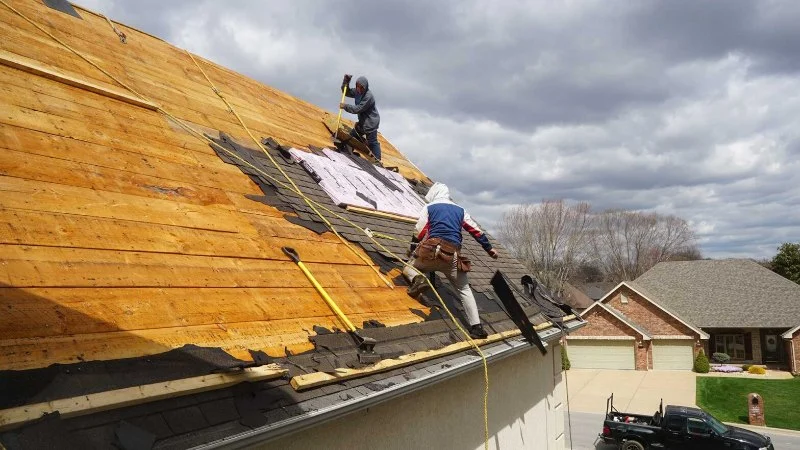
Understanding What Happens When Roofing Work Causes Property Damage
Knowing what to do if a roofer damages your property in Canada is not something most homeowners think about until it actually happens. Roofing projects are meant to protect your home, but when something goes wrong, the consequences can be stressful, expensive, and confusing.
Damage can range from broken gutters and cracked siding to interior leaks caused by improper installation or accidental punctures. In some cases, heavy equipment or falling debris can even damage landscaping, driveways, or neighboring structures.
The key is not panic—but a structured response that protects your property, preserves evidence, and ensures you have a clear path to compensation or repair.
Many homeowners in Ontario and across Canada have found that understanding contractor responsibility early makes a major difference in how smoothly claims are resolved. Companies like :contentReference[oaicite:0]{index=0} often emphasize transparent documentation and insurance-backed work precisely to avoid these disputes.
Edmonton Roofing Company / replace roof edmonton
8023 182 St NW, Edmonton, AB T5T 0T6, Canada
What to Do Immediately After Discovering Roofing Damage
The first moments after discovering damage are critical. The priority is to stop further harm and document everything clearly.
If the roofing work is still ongoing, it is reasonable to pause the project until the issue is assessed. Continuing work without addressing damage can make the situation worse and complicate liability.
Homeowners should carefully inspect both exterior and interior areas. Roof leaks may not appear immediately; sometimes water travels through insulation and shows up hours or even days later.
Taking timestamped photos and videos is essential. These records serve as the foundation for any insurance claim or contractor dispute.

How to Properly Document Property Damage for Claims
Documentation is one of the strongest tools a homeowner has when dealing with roofing damage claims.
Start by capturing wide-angle photos of the entire affected area, followed by close-ups of specific damage points such as broken shingles, water stains, or structural impact.
Written notes are equally important. Record the date, time, weather conditions, and stage of the roofing project when the damage occurred.
If possible, gather witness statements from neighbors or other contractors on-site. Independent confirmation can strengthen your claim significantly.
Understanding Contractor Liability and Insurance in Canada
In Canada, licensed roofing contractors are typically required to carry liability insurance. This insurance is designed to cover accidental damage caused during work.
However, coverage depends on the nature of the damage and whether proper procedures were followed. Negligence, improper installation, or failure to follow safety standards may affect claim outcomes.
Homeowners should request proof of insurance before any roofing project begins. This is not just a formality—it is a critical layer of protection.
In many cases, reputable contractors like :contentReference[oaicite:1]{index=1} maintain clear insurance documentation and provide transparent communication to prevent disputes from escalating.
Real-Life Roofing Damage Scenarios From Canadian Homeowners
In one Ontario case, a homeowner discovered ceiling water stains two days after roof replacement began. The contractor had accidentally displaced flashing around a chimney area, allowing rainwater intrusion during overnight rainfall.
Because the homeowner documented the issue immediately, the contractor’s insurance covered interior repairs and roof corrections without legal escalation.
In another case in British Columbia, a homeowner reported damaged siding caused by falling roofing debris. Initially, the contractor disputed responsibility, but timestamped photos and witness statements helped resolve the claim in the homeowner’s favor.
These examples show how evidence and communication often determine outcomes more than conflict itself.
How to File a Roofing Damage Claim Step by Step
Filing a claim typically involves multiple parties: the contractor, their insurance provider, and sometimes your own homeowner insurance.
The first step is to formally notify the contractor in writing. This creates an official record of the issue and triggers their internal review process.
Next, contact the contractor’s insurance provider if available. Provide all documentation, including photos, invoices, and written communication.
If the damage is extensive, your homeowner insurance may also step in to cover immediate repairs while liability is determined.
Common Mistakes Homeowners Should Avoid
One major mistake is delaying documentation. Waiting too long can make it harder to prove that the damage was caused by roofing work.
Another issue is attempting repairs too early. Fixing damage before assessment can reduce claim validity or complicate insurance investigations.
Some homeowners also rely solely on verbal agreements instead of written communication, which weakens their position in disputes.
Clear, documented communication is always more effective than informal discussions.
When Legal Action or Mediation Becomes Necessary
Most roofing disputes are resolved through insurance or contractor negotiation. However, some cases require escalation.
If a contractor refuses responsibility despite clear evidence, mediation services or small claims court may be appropriate depending on the damage value.
Legal escalation should be considered a last step, but it is important to know your rights as a homeowner under Canadian consumer protection laws.
How to Prevent Roofing Problems Before They Happen
Prevention begins with contractor selection. Always choose licensed professionals with verifiable experience and insurance coverage.
Clear written contracts should outline scope of work, liability terms, and cleanup responsibilities.
Regular site inspections during the project can help identify issues early before they escalate into major damage.
Reputable providers like :contentReference[oaicite:2]{index=2} often encourage transparency throughout the project lifecycle to ensure homeowner confidence.
Final Practical Guidance for Homeowners Facing Roofing Damage
Understanding what to do if a roofer damages your property in Canada is ultimately about staying calm, acting quickly, and documenting everything with precision.
Most disputes are solvable when evidence is strong and communication is clear. Insurance systems and contractor liability frameworks are designed to resolve these issues fairly when properly engaged.
Choosing experienced professionals and maintaining written records from the start significantly reduces the risk of long-term disputes.
For homeowners looking to work with trusted roofing professionals and reduce the risk of property damage in future projects, exploring established service providers like :contentReference[oaicite:3]{index=3} can help ensure safer, more reliable outcomes.
A well-managed roofing project protects not just your home—but your peace of mind.
 First Choice Roofing4.0 (32 reviews)
 NSL Toiture à vie4.0 (59 reviews)
 Couvreur Wm.Pelletier ( 9193-1071 Québec inc. )5.0 (3 reviews)
 UnderCutters Roofing4.0 (31 reviews)
 A & M Roofing3.0 (11 reviews)
 SP Roofing and Renovations5.0 (1 reviews)
 How Much Does a New Roof Cost in 2025? Canadian Roofing Price Guide
 Top Signs Your Roof Has a Leak and What to Do About It in Canada
 Can You Install a New Roof Over an Old One in Canada?
 The Top Questions to Ask Before Hiring a Roofer in Canada
 What Are the Most Common Roofing Scams and How to Avoid Them in Canada
 How to Prepare Your Home for a Roofing Project in Canada