
- Understanding-Roof-Deck-Sheathing
- When-Roof-Sheathing-Can-Be-Reused
- Inspecting-OSB-Roof-Decking-For-Rot
- Checking-Plywood-Roof-Sheathing-Condition
- Signs-Roof-Deck-Sheathing-Needs-Replacement
- Canadian-Weather-Impact-On-Roof-Decking
- Professional-Roof-Sheathing-Inspection-Process
- Real-Roof-Replacement-Case-Study
- Making-The-Right-Roof-Decking-Decision
Understanding Roof Deck Sheathing
When homeowners in Canada prepare for a roof replacement, one common question often comes up: Can you reuse roof deck sheathing in Canada? The answer depends on the condition of the existing material, the amount of moisture damage present, and whether the sheathing can still provide reliable structural support.
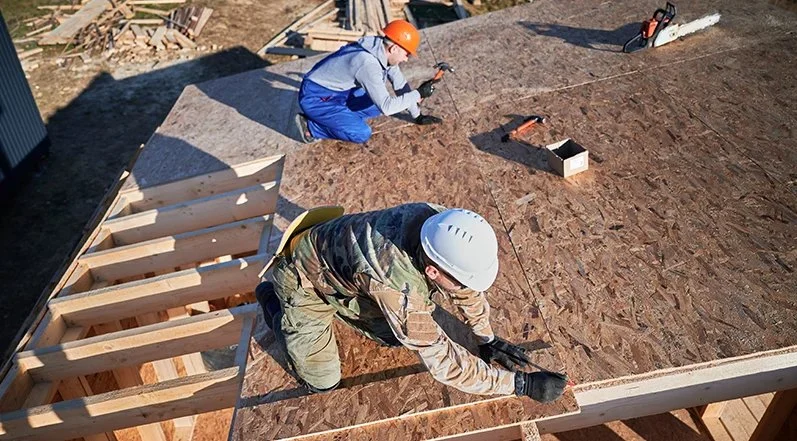
Roof deck sheathing is the layer of material installed directly over the roof framing. It creates a stable surface where roofing materials such as shingles, metal panels, or other systems can be attached. The most common materials used in Canadian homes are oriented strand board (OSB) and plywood.
While replacing shingles is a familiar part of roof maintenance, many homeowners do not realize that the condition of the roof deck underneath is just as important. A roof may appear fine from the outside while hidden damage exists below the surface.
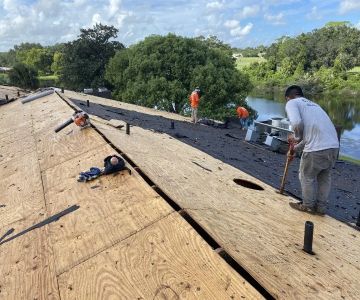
During a roof replacement project, contractors often remove old roofing materials and inspect the exposed decking. This inspection determines whether the existing OSB or plywood can remain or whether damaged sections need to be replaced.
Toitures Garant et Frères Inc / toiture garant
LévisChaudière-AppalachesQuébec
6615 Rue Alfred-Pellan, Lévis, QC G6V 9S9, Canada
Why Roof Deck Inspection Matters
The roof deck supports the entire roofing system. If the sheathing is weak, softened, or damaged by moisture, installing new roofing materials over it may create future problems.
A compromised roof deck can lead to:
- Uneven roofing surfaces.
- Poor shingle installation.
- Reduced roof durability.
- Water infiltration problems.
- Structural safety concerns.
For this reason, professional roofers do not simply assume existing decking is reusable. Careful inspection is necessary before making a decision.
When Roof Sheathing Can Be Reused
The good news is that roof deck sheathing does not always need to be replaced during every roof project. If OSB or plywood remains strong, dry, and structurally sound, reuse may be possible.
However, the decision should be based on the actual condition of the material rather than appearance alone.
1. The Sheathing Has No Significant Water Damage
The most important factor is moisture exposure. Roof decking that has remained dry and protected may continue performing well for many years.
Minor surface discoloration does not always mean the material has failed. A professional inspection can determine whether staining is cosmetic or a sign of deeper deterioration.
2. The Panels Remain Structurally Strong
Reusable roof sheathing should maintain its strength and thickness. The material should not feel soft, weak, or unstable when inspected.
Roofers often check whether the panels can still hold fasteners properly. If screws or nails cannot securely attach because the material has deteriorated, replacement may be necessary.
3. The Sheathing Meets Current Roofing Requirements
Building practices and roofing standards can change over time. Older homes may have decking that does not meet modern expectations for thickness, spacing, or installation quality.
A roofing professional can evaluate whether existing sheathing is suitable for a new roofing system.
Inspecting OSB Roof Decking for Rot
OSB is one of the most common roof decking materials used in modern Canadian construction. It is made by compressing wood strands with adhesives to create strong structural panels.
Although OSB performs well under normal conditions, prolonged moisture exposure can cause serious problems.
Signs of OSB Rot and Moisture Damage
When inspecting OSB roof sheathing for rot, professionals look for several warning signs:
- Swollen panel edges.
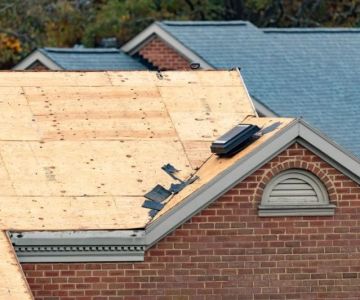
- Soft or spongy areas.
- Crumbling wood strands.
- Dark moisture stains.
- Separated layers within the panel.
One important characteristic of damaged OSB is that moisture problems often begin at the edges. Water can enter through roof leaks, damaged flashing, or improper ventilation and slowly weaken the panel.
Why OSB Damage Can Be Difficult to Notice
A homeowner may not notice OSB deterioration until roofing materials are removed. Shingles and underlayment can hide damaged decking for years.
This is why roof replacement projects often reveal unexpected repairs that were not visible during a simple exterior inspection.
Checking Plywood Roof Sheathing Condition
Plywood has been widely used in Canadian roofing because of its strength and durability. Unlike OSB, plywood is made from layers of wood veneer bonded together.
However, plywood is also vulnerable to moisture damage if exposed to repeated leaks or poor roof drainage.
Common Plywood Problems
During inspection, roofing professionals check plywood for:
- Delamination between layers.
- Soft spots.
- Warping or bending.
- Rot around fastener areas.
- Long-term moisture damage.
Plywood vs OSB Performance
Both OSB and plywood can perform well when properly installed and protected. The important factor is not simply the type of material but the condition of the existing roof deck.
A well-maintained OSB roof deck may outperform damaged plywood, while properly protected plywood can remain strong for decades.
Signs Roof Deck Sheathing Needs Replacement
Although some roof decking can be reused, there are situations where replacement is the safer and more practical choice.
1. Visible Rot Damage
Rot is one of the clearest indicators that roof sheathing should be replaced. Once wood-based materials begin breaking down, they cannot reliably support roofing materials.
2. Previous Long-Term Roof Leaks
Homes with a history of unresolved leaks may have hidden damage beneath the surface. Even if the roof leak has been repaired, the decking may already have weakened.
3. Mold or Fungal Growth
Moist conditions can create an environment where mold and fungal growth develop. Damaged sections should be evaluated carefully to protect indoor air quality and structural integrity.
4. Improper Previous Repairs
Older roofing repairs may have covered damaged areas instead of properly fixing the underlying problem.
A complete inspection during replacement can reveal whether previous repairs were effective.
Canadian Weather Impact on Roof Decking
Canadian homes experience some of the most challenging weather conditions for roofing systems. Extreme temperature changes, heavy snowfall, ice buildup, and seasonal moisture can all affect roof decking.
Winter Moisture Problems
Snow accumulation and ice dams can create situations where water remains trapped near roof edges. Over time, repeated exposure can contribute to decking damage.
Freeze and Thaw Cycles
Canada's freeze-thaw cycles cause roofing materials to expand and contract. Small openings can develop around fasteners, flashing, and seams.
Heavy Rain and Storm Exposure
Spring and summer storms can expose weak points in roofing systems. A small leak may slowly damage OSB or plywood beneath the roofing surface.
Professional Roof Sheathing Inspection Process
A proper inspection helps determine whether existing roof deck sheathing can be reused or requires replacement.
Step 1: Removing Existing Roofing Materials
The condition of decking cannot always be accurately judged while shingles remain installed. Removing old roofing materials allows contractors to see the actual condition of the panels.
Step 2: Checking Surface Condition
Professionals examine the decking for moisture damage, weak areas, and structural concerns.
Step 3: Testing Strength and Fastener Holding Ability
Roofers evaluate whether the material can securely support new roofing materials.
Step 4: Replacing Only Damaged Sections When Appropriate
In many cases, not every panel requires replacement. Damaged sections can sometimes be removed while healthy areas remain in place.
Real Roof Replacement Case Study
A homeowner in Ontario contacted a roofing contractor after noticing occasional leaks during heavy rain. The roof appeared relatively normal from the outside, but the homeowner wanted a complete replacement because the shingles were reaching the end of their lifespan.
After removing the old roofing materials, the contractor discovered several areas of OSB decking with swelling and soft spots near a roof valley.
The damaged sections were replaced while stronger areas of the roof deck remained intact. This approach prevented unnecessary costs while ensuring the new roofing system had a stable foundation.
The situation showed why answering the question “Can you reuse roof deck sheathing in Canada?” requires a detailed inspection rather than a simple yes or no response.
Making the Right Roof Decking Decision
Choosing whether to reuse roof deck sheathing depends on several factors, including material type, age, moisture history, and structural condition.
Replacing healthy decking unnecessarily can increase project costs, but keeping damaged sheathing can create expensive problems later. The best approach is a balanced decision based on professional evaluation.
Homeowners looking for reliable roofing advice and inspection services can work with Pickering Roofing to better understand the condition of their roof deck and determine the right solution for their property.
Before installing a new roof, make sure the foundation underneath is strong. A careful inspection of OSB and plywood sheathing can help protect your investment, improve roof performance, and prevent future moisture problems.
 Jay Carter Roofing & Sheet Metal4.0 (24 reviews)
 Armour Shield Roofing5.0 (2 reviews)
 AMT Metal Roofing5.0 (64 reviews)
 Imperial Roofs & Aluminum4.0 (63 reviews)
 Tip Top Contracting4.0 (43 reviews)
 Brault Roofing (SK) Inc.0.0 (0 reviews)
 How Much Does a New Roof Cost in 2025? Canadian Roofing Price Guide
 Top Signs Your Roof Has a Leak and What to Do About It in Canada
 Can You Install a New Roof Over an Old One in Canada?
 The Top Questions to Ask Before Hiring a Roofer in Canada
 What Are the Most Common Roofing Scams and How to Avoid Them in Canada
 How to Prepare Your Home for a Roofing Project in Canada