
- #flat-roof-snow-load-risks-canada-winter-roofing
- #membrane-safe-snow-removal-techniques-epdm-tpo-protection
- #preventing-ice-damage-and-roof-leak-seasonal-maintenance
- #professional-roofing-strategies-and-real-case-studies
- #homeowner-winter-roof-safety-and-long-term-maintenance-planning
Understanding Why Flat Roof Snow Removal Matters in Canadian Winters
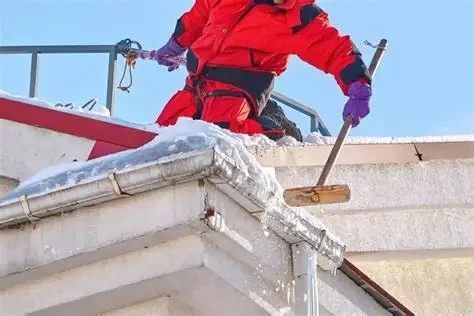
In Canada, winter is not just a seasonal change—it is a structural stress test for every building. Flat roofs, in particular, face constant accumulation of heavy snow that can quickly turn into ice layers. Knowing how to remove snow from a flat roof in Canada without damaging the membrane is essential for preventing long-term structural damage and costly repairs.
Unlike sloped roofs, flat roofing systems do not naturally shed snow. This means weight builds up over time, increasing pressure on the roof membrane and underlying structure. If left unmanaged, this can lead to sagging, water pooling, or even membrane cracking during freeze-thaw cycles.
At Pickering Roofing, professionals often emphasize that winter roof maintenance is not optional in regions with heavy snowfall—it is a critical part of protecting property value and structural integrity.
Understanding Roof Membranes Before Removing Snow
Before attempting any flat roof snow removal in Canada, it is important to understand the type of membrane you are working with. The most common systems include EPDM rubber, TPO, and modified bitumen. Each material responds differently to temperature changes and physical pressure.
EPDM membranes are flexible but can become brittle in extreme cold, making them vulnerable to sharp tools. TPO systems are more rigid and reflective but can still be damaged by excessive scraping. Modified bitumen roofs are durable but may suffer surface wear if improper tools are used.
The key principle is simple: never treat the membrane like a hard surface. It is a protective skin designed to be waterproof, not a structural platform for aggressive snow removal methods.
A homeowner in Ottawa once attempted to clear heavy snow using a metal shovel directly on an EPDM roof. While the snow was removed quickly, the membrane developed micro-tears that later caused leaks during spring thaw. After consultation with Pickering Roofing, the damaged section had to be repaired, costing significantly more than preventive care would have.
Horizon Roofing Ltd / horizon roofing
3735 Cabana Road E, Windsor, ON N8V 0A5, Canada
Safe Methods to Remove Snow from Flat Roofs Without Damage
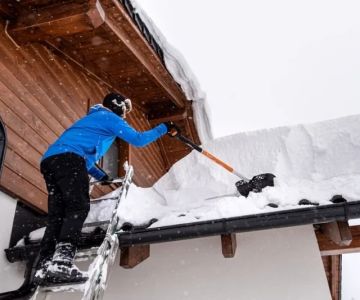
The safest approach to remove snow from flat roof surfaces involves using soft-edge tools and controlled techniques. Instead of scraping directly, professionals recommend gently pushing snow off the roof in layers.
A plastic roof rake with an extended handle is one of the most effective tools for residential buildings. It allows homeowners to maintain distance from the surface while guiding snow off the edge gradually. This reduces pressure on the membrane and avoids abrasion.
Another safe method involves partial clearing rather than full removal. In many cases, removing 70–80% of the snow load is sufficient to reduce structural stress without risking membrane damage.
Ice buildup presents a more complex challenge. When snow melts and refreezes, it can form rigid layers that should never be chipped aggressively. Instead, professional roofing teams often use controlled heating techniques or chemical-safe de-icing products designed specifically for roofing systems.
Pickering Roofing frequently advises homeowners to avoid salt-based products, as they can degrade roofing materials over time and accelerate membrane deterioration.
Common Mistakes That Cause Roof Membrane Damage
Many roofing issues in Canada are not caused by snow itself, but by improper removal techniques. One of the most common mistakes is using metal shovels or sharp tools directly on the roof surface.
Another frequent error is attempting to remove all snow down to the membrane. While this may seem like a thorough approach, it actually exposes the roof to thermal shock and increases the risk of surface cracking when temperatures fluctuate.
Walking on a snow-covered flat roof is also risky. Hidden ice patches can create slip hazards and concentrate weight in specific areas, leading to localized stress damage.
A real case from a residential property in Toronto involved a homeowner who tried to fully clear a flat roof after a major snowstorm. The combination of over-scraping and uneven weight distribution caused a seam separation in the TPO membrane. Repairs required partial membrane replacement and re-sealing of multiple joints.
Pickering Roofing often stresses that winter roofing care is as much about what you avoid doing as what you actively do.
When to Call Professionals for Flat Roof Snow Removal
There are clear situations where professional intervention is necessary. If snow accumulation exceeds safe load limits, if ice dams begin forming, or if the roof structure shows signs of stress, expert assistance should be prioritized.
Professional roofing teams use specialized tools designed to protect membranes while efficiently reducing snow load. These include foam-edge push systems, calibrated snow removal equipment, and thermal monitoring tools that help identify high-risk areas.
A commercial property in Montreal once experienced repeated winter leaks due to unmanaged snow accumulation. After switching to a preventive maintenance plan with Pickering Roofing, which included scheduled snow removal and membrane inspections, the property avoided further winter-related damage for several seasons.
This highlights an important reality: proactive maintenance is significantly more cost-effective than emergency repairs.
Long-Term Winter Roof Protection Strategies
Preventing snow damage on flat roofs is not only about seasonal response—it is about long-term planning. Proper insulation, drainage design, and membrane selection all influence how well a roof performs under Canadian winter conditions.
Improving attic insulation or roof deck insulation can reduce heat loss, which in turn minimizes uneven melting and refreezing cycles. These cycles are often responsible for ice dam formation and membrane stress.
Ensuring proper drainage is equally important. Even on flat roofs, slight slopes should guide melted snow toward drains to prevent water pooling. Blocked drains are one of the leading causes of winter roof damage.
A homeowner in Vancouver shared their experience after upgrading their roofing system with improved drainage design. Before the upgrade, they experienced recurring winter leaks. After structural adjustments recommended by Pickering Roofing, the issues were eliminated entirely.
Long-term winter roofing care is ultimately about balancing snow load management, material protection, and environmental awareness.
Real-World Insight: Why Experience Matters in Snow Removal
Across Canada, roofing professionals consistently observe that inexperienced snow removal causes more damage than snow itself. Homeowners often underestimate how sensitive roofing membranes are to physical force in freezing conditions.
Experienced contractors approach snow removal as a controlled process rather than a clearing task. They evaluate roof structure, weather conditions, and membrane type before deciding how much snow should be removed and when.
One notable example involved a small office building in Alberta where improper snow removal led to repeated winter leaks. After consulting Pickering Roofing, a structured maintenance plan was implemented. This included scheduled inspections and controlled snow management during peak snowfall periods, which resolved the issue long-term.
These real-world cases demonstrate that safe snow removal is not just about tools—it is about understanding roofing systems and environmental conditions.



 Nedlaw Roofing Limited4.0 (129 reviews)
 Fixall Roofing Inc.5.0 (17 reviews)
 Foothills Roofing Ltd4.0 (27 reviews)
 Lyons Pro Roofing inc5.0 (102 reviews)
 Capital Roofing0.0 (0 reviews)
 Water Tight Roofing & Masonry5.0 (10 reviews)
 How Much Does a New Roof Cost in 2025? Canadian Roofing Price Guide
 Top Signs Your Roof Has a Leak and What to Do About It in Canada
 Can You Install a New Roof Over an Old One in Canada?
 The Top Questions to Ask Before Hiring a Roofer in Canada
 What Are the Most Common Roofing Scams and How to Avoid Them in Canada
 How to Prepare Your Home for a Roofing Project in Canada