
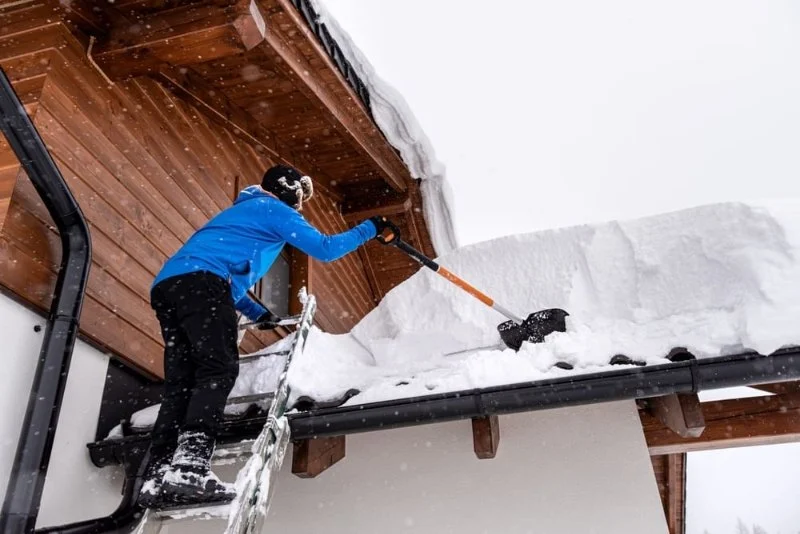
- snow-load-basics - how accumulation impacts structural stress in Quebec winters
- regulatory-framework-2026 - updated Montreal and Quebec building safety expectations
- roof-risk-factors - why certain roofs fail under heavy snow
- real-world-collapse-cases - lessons from past winter roof failures
- prevention-and-maintenance - practical steps homeowners can take
Understanding Winter Roof Pressure and the Rising Importance of Snow Safety in Quebec
The topic of Montreal Snow Load Regulations 2026: Prevention of Roof Collapses in Quebec is becoming increasingly relevant as winters grow more unpredictable and extreme. In cities like Montreal, snow accumulation is not just a seasonal inconvenience—it is a structural engineering challenge that directly impacts homes, commercial buildings, and public safety.
Unlike warmer regions where roofs primarily deal with rain and wind, Quebec structures must withstand weeks of sustained snow pressure. When snow layers compact, melt, and refreeze, the resulting weight can exceed design expectations if maintenance and compliance are ignored.

Christensen & McLean Roofing / christensen & mclean roofing
16173 132 Ave NW, Edmonton, AB T5V 1H7, Canada
How Snow Load Works and Why It Matters for Roof Stability
1. The science behind snow weight accumulation
Snow is not as light as it appears. Fresh snowfall may seem harmless, but as it compresses, it becomes significantly denser. In Montreal winters, repeated freeze-thaw cycles transform fluffy snow into heavy ice layers that place continuous stress on roofing systems.
A commonly overlooked fact among homeowners is that wet snow can weigh up to three times more than dry snow. This means a roof that seems safe after a snowfall can become structurally overloaded within days of warming temperatures followed by refreezing.

2. Structural stress distribution across roofing systems
Roofs are engineered to distribute weight across beams and supports, but uneven snow accumulation disrupts this balance. Wind drifts, shaded areas, and roof valleys often collect more snow than other sections, creating localized stress points.
These uneven loads are often the hidden cause behind sudden roof deformation or collapse events during Quebec winters.
Montreal Snow Load Regulations 2026 and Updated Safety Expectations
1. Strengthening building codes for extreme winters
The updated Montreal Snow Load Regulations 2026 reflect a broader shift toward climate-adaptive building standards. While previous codes focused on historical averages, newer guidelines consider extreme weather variability and increased snowfall intensity.
These regulations emphasize higher safety margins for residential roofs, especially flat and low-slope structures commonly found in urban Montreal architecture.
2. Compliance responsibilities for property owners
Homeowners and building managers are now expected to actively monitor snow accumulation, ensure structural inspections, and maintain drainage systems that prevent ice buildup.
Failure to comply not only increases collapse risk but can also affect insurance coverage in the event of structural failure.
Why Some Roofs Fail While Others Survive Heavy Snow
1. Roof design and slope limitations
Steep roofs naturally shed snow more effectively, while flat or low-slope roofs retain accumulation longer. In many Quebec urban homes and apartment buildings, flat roofing is common due to design efficiency, but it requires more active maintenance.
Without proper snow removal, even a structurally sound roof can become overloaded simply due to prolonged accumulation.
2. Aging materials and hidden structural fatigue
Older buildings often face compounded risks because materials weaken over time. Wooden beams may warp, metal supports may corrode, and insulation changes can affect load distribution.
A notable case in suburban Montreal involved a mid-1980s residential structure where unnoticed water infiltration weakened roof joints. A heavy January snowfall triggered partial collapse, despite no visible warning signs beforehand.
Lessons Learned from Past Winter Roof Failures in Quebec
1. The 2019 commercial warehouse incident
A widely discussed incident in Quebec involved a warehouse roof collapse after consecutive snowstorms. Investigations revealed that snow removal delays combined with outdated load calculations contributed to the failure.
This case became a reference point for updating regional safety expectations and reinforcing the importance of proactive maintenance.
2. Residential roof collapses during freeze-thaw cycles
Residential failures often occur not during peak snowfall but during temperature fluctuations. Ice formation increases weight unexpectedly, and melting water refreezes into denser layers overnight.
These cycles highlight why continuous monitoring is more important than reacting only after storms.
Practical Prevention Strategies for Homeowners and Property Managers
1. Routine inspection and snow management
Regular roof inspections during winter months are essential. Homeowners should look for warning signs such as sagging ceilings, cracked interior walls, or unusual creaking sounds during heavy snowfall periods.
Safe snow removal practices should be prioritized, especially for flat roofs. However, caution is necessary to avoid damaging roofing membranes or structural components.
2. Reinforcement and long-term upgrades
For older properties, structural reinforcement may be required to meet updated Montreal Snow Load Regulations 2026. This can include additional support beams, improved drainage systems, or modern roofing materials designed for heavy snow climates.
Professional assessments are often the safest way to determine whether a building meets current safety expectations.
3. Seasonal preparation before winter peaks
Preventive maintenance before winter begins is one of the most effective strategies. Cleaning gutters, inspecting insulation, and ensuring roof access for snow removal can significantly reduce risk.
Many homeowners underestimate how preparation in early fall can prevent costly structural damage later in the season.
Strengthening Roof Safety Awareness Across Quebec Communities
The increasing relevance of Montreal Snow Load Regulations 2026: Prevention of Roof Collapses in Quebec reflects a broader need for awareness in both urban and suburban areas. Climate variability is placing new demands on infrastructure, and proactive action is becoming essential rather than optional.
For homeowners seeking professional guidance, inspections, or modern roofing solutions tailored to Quebec winters, Pickering Roofing provides resources and services designed to improve structural safety and long-term durability.
Ultimately, roof safety in snowy regions is not just a technical issue—it is a shared responsibility between regulation, engineering, and everyday maintenance habits.



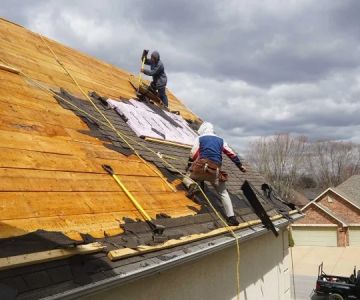

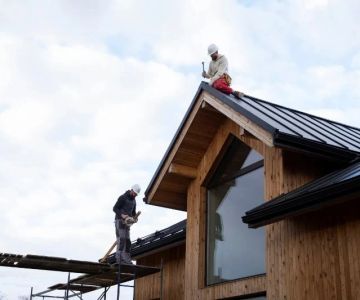
 Antonyshyn Roofing4.0 (104 reviews)
 Pro-Tec-Toit4.0 (156 reviews)
 Sina’s Roofing5.0 (167 reviews)
 Alberta Rooftop Ltd3.0 (8 reviews)
 Paul Harrison Construction Ltd4.0 (33 reviews)
 Roofing Monkeys4.0 (13 reviews)
 How Much Does a New Roof Cost in 2025? Canadian Roofing Price Guide
 Top Signs Your Roof Has a Leak and What to Do About It in Canada
 Can You Install a New Roof Over an Old One in Canada?
 The Top Questions to Ask Before Hiring a Roofer in Canada
 What Are the Most Common Roofing Scams and How to Avoid Them in Canada
 How to Prepare Your Home for a Roofing Project in Canada