
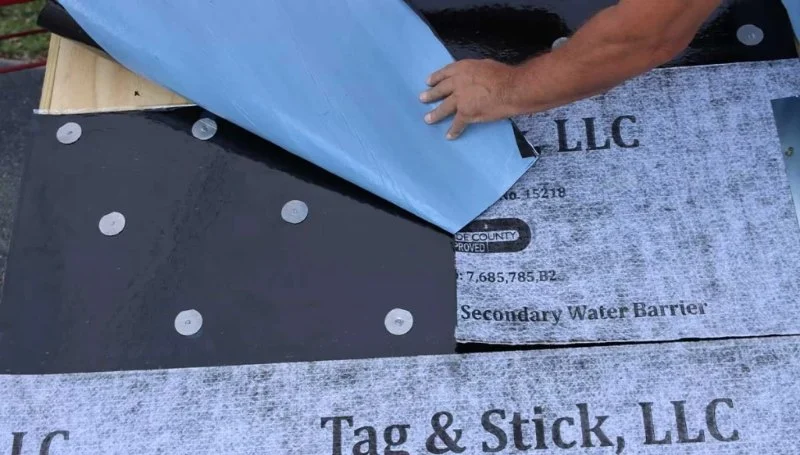
- 1-Importance of Moisture-Resistant Underlayment
- 2-Types of Mold-Resistant Underlayment
- 3-Factors to Consider When Choosing Underlayment
- 4-Real-World Examples and Stories
- 5-Expert Tips for Installation and Maintenance
1. Importance of Moisture-Resistant Underlayment
In Canadian homes, where humidity and seasonal moisture fluctuations are common, selecting the right underlayment is crucial. Moisture can seep into flooring, leading to warping, discoloration, and even mold growth. Using a high-quality, moisture-resistant underlayment provides a protective barrier that prolongs the life of your floors and ensures a safe, healthy indoor environment.
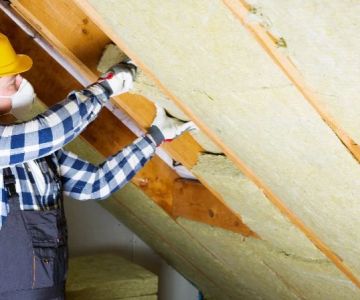
Beyond structural protection, mold-resistant underlayment contributes to indoor air quality. Homes with hidden mold issues can experience respiratory problems and other health concerns. Therefore, investing in the right underlayment is not just about flooring durability—it’s about creating a safe living space.
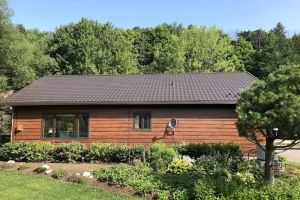
2. Types of Mold-Resistant Underlayment
When choosing underlayment, homeowners in Canada typically encounter several options:
- Cork Underlayment: Naturally resistant to mold and moisture, cork provides thermal insulation and sound dampening, making it ideal for multi-level homes.
- Foam Underlayment with Moisture Barrier: Popular for laminate or engineered hardwood floors, foam underlayment often includes a built-in vapor barrier to protect against moisture penetration.
- Rubber Underlayment: Highly durable and water-resistant, rubber underlayment is suitable for high-moisture areas like bathrooms or basements.
- Specialized Mold-Resistant Sheets: Advanced synthetic materials are engineered specifically to prevent mold growth while providing stability for flooring installation.
Platforms like Pickering Roofing offer guidance and supply for these high-performance underlayments, helping homeowners select options tailored to their specific flooring type and regional climate conditions.

Christensen & McLean Roofing / christensen & mclean roofing
16173 132 Ave NW, Edmonton, AB T5V 1H7, Canada
3. Factors to Consider When Choosing Underlayment
Selecting the right underlayment requires careful evaluation. Key factors include:
- Moisture Levels: Assess the room’s typical moisture exposure. Basements and bathrooms need higher moisture resistance compared to living rooms.
- Flooring Type Compatibility: Ensure the underlayment matches your flooring material, whether it’s hardwood, laminate, vinyl, or tile.
- Thickness and Cushioning: The underlayment’s thickness affects comfort, sound insulation, and the performance of floating floors.
- Installation Requirements: Some underlayments require glue-down installation, while others use a floating method. Understanding installation needs can prevent future damage.
- Long-Term Durability: Choose materials that resist compression, moisture, and mold growth over the life of your flooring.
4. Real-World Examples and Stories
Consider the case of a Toronto homeowner who installed laminate flooring in a basement without a moisture-resistant underlayment. Within a few months, condensation caused warping and visible mold. After consulting experts at Pickering Roofing, they replaced the flooring with a foam underlayment featuring a built-in moisture barrier. The result was not only a stable floor but also a healthier indoor environment.
Another example involves a Vancouver condo renovation. The homeowner opted for cork underlayment beneath engineered hardwood floors. This choice minimized noise between units and prevented mold issues, demonstrating how proper material selection can enhance both comfort and safety.
5. Expert Tips for Installation and Maintenance
For optimal performance, consider these professional tips:
- Pre-Installation Inspection: Check the subfloor for existing moisture or damage before laying underlayment.
- Use Vapor Barriers: In moisture-prone areas, install an additional vapor barrier to reinforce protection.
- Follow Manufacturer Guidelines: Each underlayment type has specific installation requirements; adherence ensures long-lasting performance.
- Regular Maintenance: Monitor humidity and clean spills immediately to prevent mold growth.
- Consult Professionals: Services like Pickering Roofing can provide expert recommendations and supply quality underlayments suitable for Canadian climates.
By combining informed material selection with professional installation, homeowners can enjoy floors that are not only beautiful but also safe and durable for decades.

 Lyons Pro Roofing inc5.0 (102 reviews)
 London Eco Metal Manufacturing - Metal Roofing4.0 (211 reviews)
 Roof.to4.0 (45 reviews)
 Entreprises Maheux INC5.0 (1 reviews)
 Jakes Roof Repairs5.0 (35 reviews)
 Acores Roofing Ltd.4.0 (36 reviews)
 How Much Does a New Roof Cost in 2025? Canadian Roofing Price Guide
 Top Signs Your Roof Has a Leak and What to Do About It in Canada
 Can You Install a New Roof Over an Old One in Canada?
 The Top Questions to Ask Before Hiring a Roofer in Canada
 What Are the Most Common Roofing Scams and How to Avoid Them in Canada
 How to Prepare Your Home for a Roofing Project in Canada