
- Step 1: Assess the Damage
- Step 2: Gather Necessary Materials
- Step 3: Secure the Tarp Properly
- Step 4: Call a Professional
- Step 5: Follow Up with a Permanent Solution
Step 1: Assess the Damage
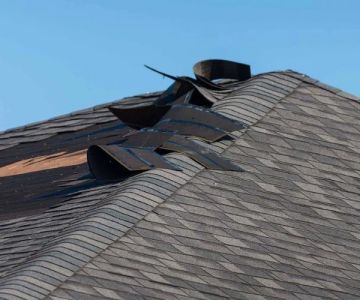
Before you take action, it's important to assess the extent of the damage to your roof. Look for visible signs of leaks, cracks, or holes in the roof that could allow rainwater or debris to enter. Make sure to safely inspect the damage, and avoid climbing on the roof if conditions are unsafe due to wetness or structural damage. If you're unsure about the severity of the damage, call a professional roofing service like Pickering Roofing for a more detailed inspection.
Marlad Roofing & Siding Inc / marlad
BramptonRegional Municipality of PeelOntario
30 Hale Rd Unit 14, Brampton, ON L6W 4N9, Canada
Step 2: Gather Necessary Materials
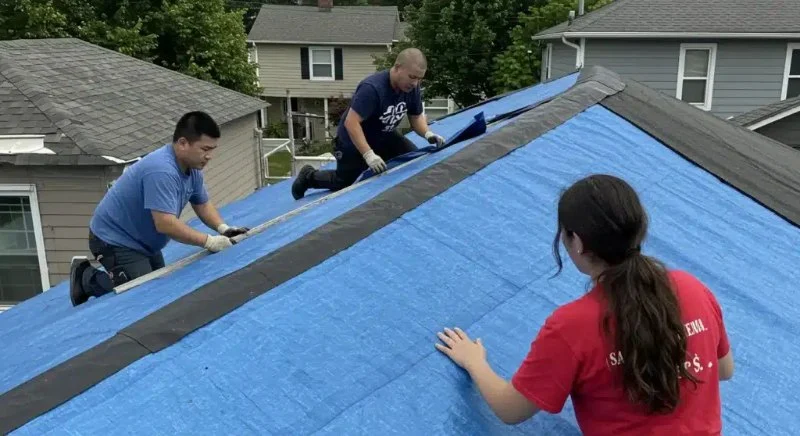
Once the damage has been assessed, gather the necessary materials to tarp the roof. This includes a high-quality tarp, ropes or bungee cords, a ladder, and possibly a staple gun. The tarp should be large enough to cover the damaged area completely and extend past the edges to ensure full coverage. Make sure the tarp is durable and weather-resistant, as it needs to withstand the elements until permanent repairs can be made.

Edmonton Roofing Company / replace roof edmonton
8023 182 St NW, Edmonton, AB T5T 0T6, Canada
Step 3: Secure the Tarp Properly
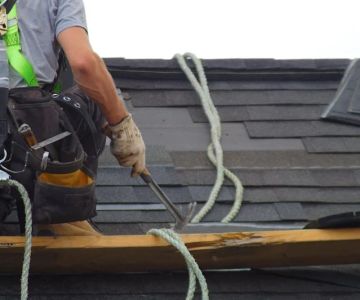
To properly secure the tarp, climb onto the roof carefully using a stable ladder. Unfold the tarp and position it over the damaged area, ensuring that it covers the entire affected section and extends well beyond the edges. Use ropes or bungee cords to secure the tarp in place, making sure it’s tight and won’t shift in the wind. You may also want to use nails or a staple gun to fasten the tarp to the roof, but ensure these do not cause further damage to the roofing material.
Step 4: Call a Professional
While emergency tarping can provide temporary relief, it’s crucial to call a professional roofing contractor to inspect and repair your roof. Professionals will have the necessary expertise and equipment to ensure a more permanent solution. In Canada, Pickering Roofing offers reliable roofing services that can help with both emergency tarping and long-term repairs.
Step 5: Follow Up with a Permanent Solution
Once your roof is safely tarped, schedule a follow-up appointment with a roofing contractor to assess the damage and plan for permanent repairs. Depending on the extent of the damage, this may include roof patching, shingle replacement, or even a complete roof replacement. Be sure to keep the tarp in place until the professional repair work is completed.

 RonOvations1.0 (1 reviews)
 Best Price Roofing & Renovations Inc5.0 (4 reviews)
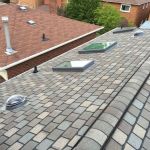 roof911.ca0.0 (0 reviews)
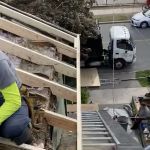 Canadian Roofing Company Ltd.4.0 (42 reviews)
 Metal Roof Canada | Steel Roofing Markham5.0 (41 reviews)
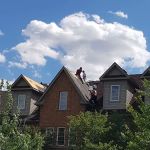 Serious Roofing5.0 (4 reviews)
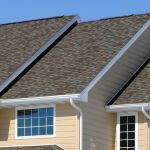 How Much Does a New Roof Cost in 2025? Canadian Roofing Price Guide
 Top Signs Your Roof Has a Leak and What to Do About It in Canada
 Can You Install a New Roof Over an Old One in Canada?
 The Top Questions to Ask Before Hiring a Roofer in Canada
 What Are the Most Common Roofing Scams and How to Avoid Them in Canada
 How to Prepare Your Home for a Roofing Project in Canada