
- green-roof-installation-cost-canada-2026-breakdown
- living-roof-systems-types-and-urban-benefits
- eco-roof-pricing-materials-labor-analysis
- urban-green-roof-design-and-structural-requirements
- real-life-case-study-of-living-roof-in-toronto
- maintenance-and-long-term-roof-performance
- how-to-plan-a-green-roof-project-in-cold-climates
Why Green Roofs Are Becoming a Defining Feature of Urban Canada
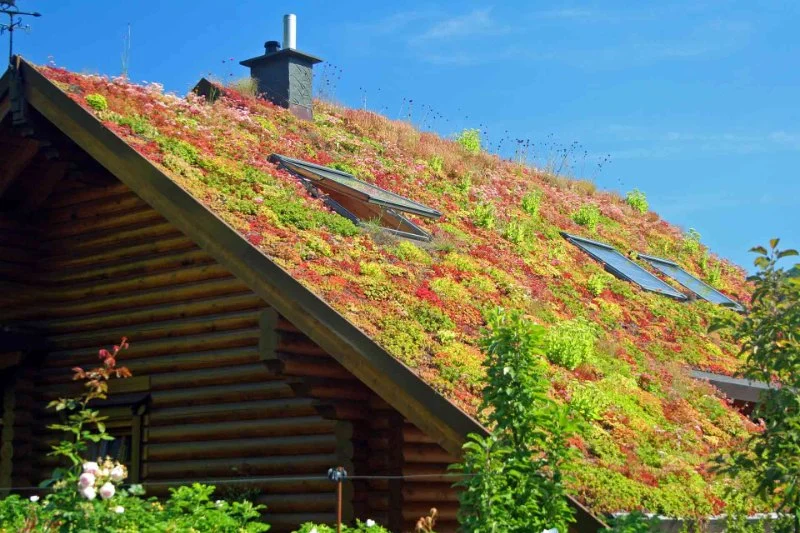
Across major Canadian cities like Toronto, Vancouver, and Montreal, rooftops are undergoing a quiet transformation. Instead of traditional asphalt or gravel surfaces, more homeowners and developers are investing in vegetation-covered systems known as living roofs. These systems are not just aesthetic upgrades—they are functional, eco-friendly infrastructures that improve insulation, reduce stormwater runoff, and support urban biodiversity.
As interest grows, so does the question of green roof installation cost Canada in 2026. While these systems are more expensive upfront than conventional roofing, their long-term environmental and energy benefits are reshaping how homeowners evaluate value.
Custom Contracting Burlington Roofing & Eavestrough Repair Burlington / eavestrough burlington
BurlingtonRegional Municipality of HaltonOntario
687 Waterloo St, Burlington, ON L7R 2S9, Canada
Understanding What a Living Roof Actually Is
Basic Structure of a Green Roof System
A living roof is composed of multiple engineered layers designed to support plant life while protecting the building beneath. These typically include waterproof membranes, root barriers, drainage layers, growing medium, and vegetation.
Each layer plays a critical role in ensuring durability, water management, and plant sustainability in varying Canadian weather conditions.
Marlad Roofing & Siding Inc / marlad
BramptonRegional Municipality of PeelOntario
30 Hale Rd Unit 14, Brampton, ON L6W 4N9, Canada
Types of Green Roof Systems in Urban Homes
There are two primary categories: extensive and intensive systems. Extensive roofs are lightweight, low-maintenance, and often covered with sedum or moss. Intensive systems, on the other hand, support deeper soil layers, shrubs, and even small trees but require stronger structural support and higher investment.
Green Roof Installation Cost in Canada 2026 Breakdown
Average Price Range for Homeowners
In 2026, the living roof cost 2026 in Canada typically ranges from moderate to high depending on complexity. Extensive systems are generally more affordable, while intensive rooftop gardens can significantly increase total project cost due to engineering requirements.
Material Costs and What Drives Them
Materials represent a major portion of eco roof pricing. Waterproof membranes, drainage systems, and specialized soil blends are engineered for durability in freezing winters and thaw cycles. Plant selection also influences cost, especially if native or drought-resistant species are chosen.
Labor and Structural Reinforcement
Labor costs in urban green roofing systems are higher than traditional roofing due to specialized installation techniques. In some cases, buildings require structural reinforcement before installation, which adds to the total budget.
Why Urban Homeowners Are Choosing Green Roofs
Energy Efficiency and Climate Control
Green roofs act as natural insulation. In winter, they help retain heat, while in summer they reduce indoor temperatures. This leads to lower energy consumption and improved indoor comfort.
Stormwater Management Benefits
One of the most significant advantages is water absorption. Living roofs can retain large amounts of rainfall, reducing pressure on city drainage systems and lowering flood risks in dense urban environments.
Environmental and Aesthetic Value
Beyond function, these roofs create small ecosystems in urban areas. They support pollinators, improve air quality, and add visual appeal to otherwise unused rooftop spaces.
Real-Life Case Study: A Toronto Urban Home Transformation
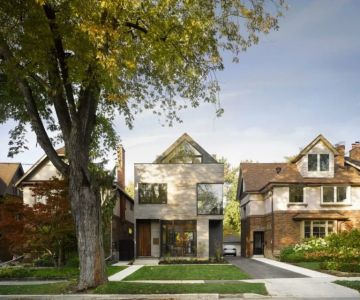
A mid-sized home in Toronto underwent a full rooftop garden installation in 2025 as part of a sustainability upgrade. The homeowners initially hesitated due to cost concerns but proceeded after consulting structural engineers.
The project involved reinforcing the roof, installing a multi-layer waterproof system, and creating a mix of sedum and native grasses. Within the first year, the household reported noticeable reductions in summer cooling costs and improved rainwater management during heavy storms.
This example demonstrates how green roofing systems are not just architectural upgrades but long-term environmental investments that adapt well to Canadian urban conditions.
Structural Requirements Before Installation
Load-Bearing Capacity Assessment
Before installation, engineers evaluate whether the building can support the additional weight of soil, vegetation, and retained water. This step is essential to ensure safety and compliance with building codes.
Waterproofing and Root Protection
Advanced waterproof membranes are installed to prevent leakage. Root barriers are also added to ensure vegetation does not damage the building structure over time.
Drainage System Design
Proper drainage prevents water accumulation, especially during snowmelt and heavy rainfall seasons typical in Canada.
Maintenance Requirements for Long-Term Performance
Seasonal Plant Care
While extensive systems require minimal maintenance, periodic inspections ensure vegetation remains healthy and free from invasive species.
Drainage and Filter Checks
Clogged drainage systems can reduce efficiency, so seasonal cleaning is recommended, especially in autumn when leaves accumulate.
Structural Monitoring
Over time, building conditions should be checked to ensure the roof continues performing safely under environmental stress.
Common Misconceptions About Green Roof Costs
“It’s Too Expensive for Residential Homes”
While upfront costs are higher than traditional roofing, long-term energy savings and extended roof lifespan often balance the investment.
“Maintenance Is Too Complicated”
Modern systems are designed for low maintenance, especially extensive green roofs using hardy vegetation.
“It Only Works in Warm Climates”
Canadian cities have successfully adopted green roofing due to advancements in cold-resistant plant systems and insulation technology.
For homeowners exploring sustainable roofing solutions, platforms like Pickering Roofing provide access to expert guidance, installation resources, and project planning support tailored for urban environments.
Planning a Green Roof Project in 2026
Step 1: Feasibility Assessment
Evaluate building structure, budget range, and intended use of rooftop space before beginning design.
Step 2: System Selection
Choose between extensive or intensive systems based on maintenance expectations and structural capacity.
Step 3: Professional Consultation
Working with experienced roofing professionals ensures compliance with safety standards and optimal system performance.
Long-Term Value of Urban Green Roofing Systems
Green roofs are increasingly viewed as long-term assets rather than luxury additions. They enhance property value, reduce operational costs, and contribute to sustainable urban development.
As Canadian cities continue prioritizing environmental resilience, living roofs are expected to become a standard feature in modern architecture rather than an exception.
 Absolute Metal Roofing5.0 (1 reviews)
 Accent Roofing & Siding4.0 (12 reviews)
 Toiture Ultratoit Inc3.0 (14 reviews)
 AZ Roofers Inc - Commercial Roofing & Flat Roofing Contractors in Caledon5.0 (2 reviews)
 Downtown Roofing4.0 (10 reviews)
 No Water Roofing4.0 (124 reviews)
 How Much Does a New Roof Cost in 2025? Canadian Roofing Price Guide
 Top Signs Your Roof Has a Leak and What to Do About It in Canada
 Can You Install a New Roof Over an Old One in Canada?
 The Top Questions to Ask Before Hiring a Roofer in Canada
 What Are the Most Common Roofing Scams and How to Avoid Them in Canada
 How to Prepare Your Home for a Roofing Project in Canada