
- 1-Understanding-Energy-Efficient-Skylights
- 2-Types-of-Skylights
- 3-Key-Features-to-Consider
- 4-Insulated-Frames-and-Glazing
- 5-Low-E-and-UV-Protection
- 6-Ventilation-Options
- 7-Installation-and-Positioning-Tips
- 8-Maintenance-and-Longevity
- 9-Real-World-Examples-and-Success-Stories
- 10-Choosing-the-Right-Skylight-for-Your-Home
1. Understanding Energy-Efficient Skylights
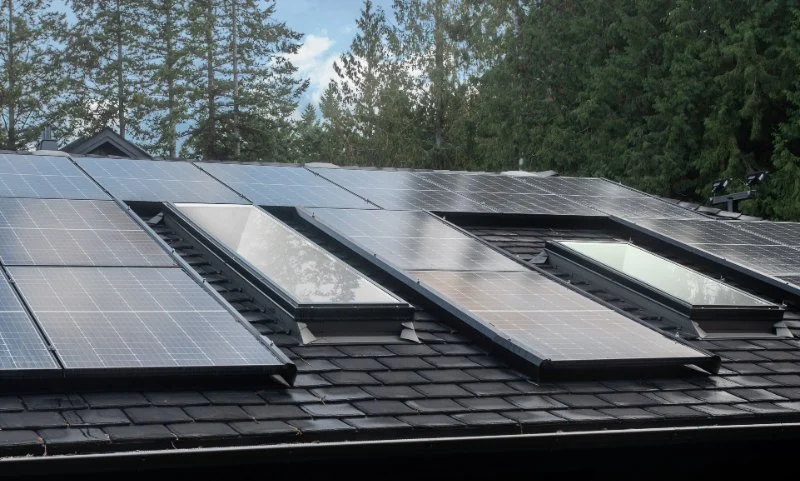
Energy-efficient skylights are designed to maximize natural light while minimizing heat loss or gain. This ensures your home remains comfortable year-round and reduces reliance on heating and cooling systems.
1.1 Benefits for Canadian Homes
Canadian homes, facing both cold winters and hot summers, benefit from skylights that reduce energy bills and improve indoor lighting. Properly selected skylights can provide natural warmth in winter and reflective protection in summer.
1.2 How Energy Efficiency is Measured
Energy efficiency for skylights is often measured by U-factor (insulation performance) and Solar Heat Gain Coefficient (SHGC), which indicates how much solar heat passes through the skylight.
2. Types of Skylights
There are several types of skylights, each suited for different needs:
2.1 Fixed Skylights
Fixed skylights do not open and are ideal for natural lighting without additional ventilation. They are simpler and usually more energy-efficient.
2.2 Ventilated Skylights
These skylights open to allow airflow, helping to cool the home naturally during warm months. Properly insulated ventilated skylights can still maintain energy efficiency.
2.3 Tubular Skylights
Tubular skylights are narrow and ideal for small rooms or hallways. They channel light from the roof to the interior and are energy-efficient due to their compact size.
3. Key Features to Consider
When selecting an energy-efficient skylight, consider the following features:
3.1 Insulated Frames
Frames made from vinyl, fiberglass, or thermally broken aluminum prevent heat transfer and maintain indoor temperature stability.
3.2 High-Performance Glazing
Double or triple-glazed skylights with inert gas fills improve insulation and reduce energy loss.
3.3 Low-E Coatings
Low-emissivity (Low-E) coatings reflect infrared heat while allowing natural light, helping to keep your home warmer in winter and cooler in summer.
4. Insulated Frames and Glazing
Energy-efficient skylights should have insulated frames paired with double or triple glazing. These combinations provide maximum insulation and help prevent condensation.
4.1 Material Selection
Vinyl frames offer low maintenance, while fiberglass and thermally broken aluminum provide strength and durability. Choosing the right material impacts both efficiency and lifespan.
5. Low-E and UV Protection
Low-E coatings combined with UV protection prevent fading of interior furnishings and reduce heat buildup. This is crucial for Canadian homes exposed to varying seasonal sun angles.
6. Ventilation Options
Ventilated skylights can be manually or electrically opened to improve airflow. This feature helps reduce air conditioning costs in summer while still maintaining winter insulation when closed.
7. Installation and Positioning Tips
Proper installation is critical to energy efficiency. Position skylights to maximize winter sun while minimizing summer overheating. Professional installers like Pickering Roofing can ensure proper flashing and sealing.
7.1 Orientation
South-facing skylights typically capture the most sunlight, while east and west-facing skylights provide morning or evening light.
7.2 Roof Angle Considerations
The angle of the roof impacts how sunlight enters. Adjustable installation angles may be needed to optimize energy efficiency.
8. Maintenance and Longevity
Energy-efficient skylights require minimal maintenance, but occasional cleaning and inspection of seals ensure long-term performance. Look for models with durable frames and coatings to extend lifespan.
9. Real-World Examples and Success Stories
Homeowners in Ontario who upgraded to insulated, Low-E skylights reported a 15-20% reduction in heating costs during winter months. Ventilated skylights further reduced summer cooling bills and improved indoor air quality.
10. Choosing the Right Skylight for Your Home
Consult local experts like Pickering Roofing to select skylights that suit your home’s architecture, climate, and energy goals. Professional guidance ensures proper installation, optimal orientation, and long-term efficiency.
By choosing the right energy-efficient skylights, Canadian homeowners can enjoy natural light, reduce energy costs, and enhance the comfort and value of their homes. Explore options with Pickering Roofing to find the ideal skylight for your next renovation or new build project.

 Edmonton Roofing Company5.0 (3 reviews)
 Gitson Roofing4.0 (18 reviews)
 CLM Steel Roofing4.0 (1 reviews)
 Trinity Roofing5.0 (2 reviews)
 J&D's roofing &siding0.0 (0 reviews)
 Troughway5.0 (5 reviews)
 How Much Does a New Roof Cost in 2025? Canadian Roofing Price Guide
 Top Signs Your Roof Has a Leak and What to Do About It in Canada
 Can You Install a New Roof Over an Old One in Canada?
 The Top Questions to Ask Before Hiring a Roofer in Canada
 What Are the Most Common Roofing Scams and How to Avoid Them in Canada
 How to Prepare Your Home for a Roofing Project in Canada