
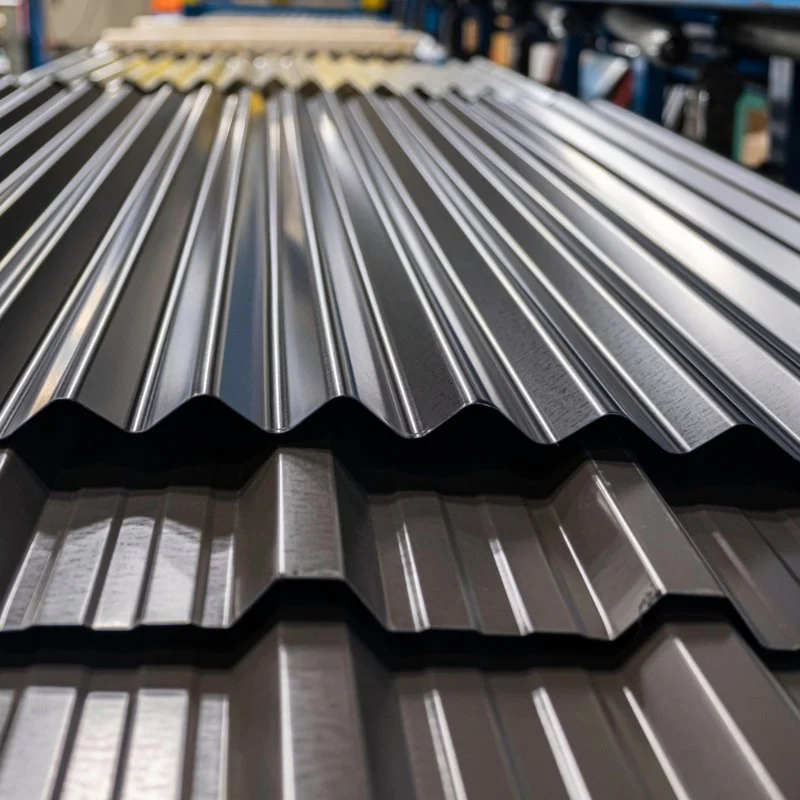
- 1 - Understanding Roofing Materials
- 2 - Reflective Roofing Materials and Benefits
- 3 - Heat-Absorbing Roofing Materials
- 4 - Factors to Consider in Canadian Climates
- 5 - Energy Efficiency and Cost Implications
- 6 - Real-Life Case Study: Canadian Homeowner Experience
- 7 - Aesthetic and Resale Considerations
- 8 - Installation Tips and Professional Guidance
- 9 - Long-Term Maintenance and Performance
1. Understanding Roofing Materials
Choosing the right roofing material is a critical decision for Canadian homeowners. Beyond durability and aesthetics, one important consideration is how the roof interacts with sunlight—specifically, whether it reflects light or absorbs heat. This choice affects energy efficiency, indoor comfort, and the longevity of roofing materials.
Common roofing materials include asphalt shingles, metal roofing, clay or concrete tiles, and composite materials. Each material has different thermal properties, affecting how much heat is absorbed or reflected. Understanding these properties helps homeowners make informed decisions that align with their climate, energy goals, and budget.

CentiMark Ltd. / centimark corporation
740 Huronia Rd Unit 9, Barrie, ON L4N 6C6, Canada
2. Reflective Roofing Materials and Benefits
2.1 What Are Reflective Materials?
Reflective roofing materials, sometimes referred to as "cool roofs," are designed to reflect more sunlight and absorb less heat. Common options include light-colored asphalt shingles, metal roofs with reflective coatings, and specialized reflective tiles. These materials often have high solar reflectance and thermal emittance values.
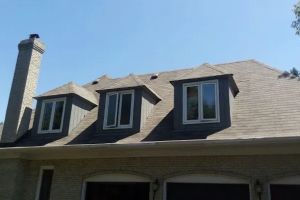
SGM Construction Roofing / sgmconstruction.ca
287 Epsom Downs Dr, North York, ON M3M 1T5, Canada
2.2 Benefits of Reflective Roofing
- Energy Efficiency: Reduces heat transfer into the home, lowering cooling costs during summer months.
- Extended Roof Life: Minimizes thermal expansion and contraction, reducing wear and tear.
- Comfort: Keeps attics and upper floors cooler, enhancing indoor comfort.
- Environmental Impact: Lowers energy consumption and reduces the urban heat island effect in densely populated areas.
3. Heat-Absorbing Roofing Materials
3.1 Understanding Absorptive Materials
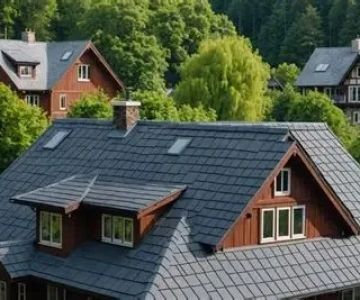
Heat-absorbing roofing materials include dark asphalt shingles, slate, and certain metal finishes. These materials retain heat, which can be advantageous in colder Canadian climates. By absorbing sunlight, they help reduce heating costs in winter by naturally warming the home.
3.2 Benefits and Considerations
- Winter Heating: Heat retention can decrease energy needed for indoor heating.
- Aesthetic Variety: Darker colors often offer richer tones and a more traditional appearance.
- Durability: Materials that absorb heat may expand more, requiring careful installation to avoid premature wear.
- Climate Impact: In warmer regions or during summer months, heat retention may increase cooling costs.
4. Factors to Consider in Canadian Climates
Canada’s diverse climate, ranging from cold winters in Ontario and Quebec to milder coastal weather in British Columbia, requires careful consideration of roofing material thermal properties. Homeowners should evaluate:
- Average winter and summer temperatures.
- Snow load and ice formation potential.
- Sun exposure and roof orientation.
- Local building codes regarding energy efficiency and reflective materials.
Balancing heat retention for winter comfort with reflective benefits for summer cooling is key for optimal energy efficiency in Canadian homes.
5. Energy Efficiency and Cost Implications
5.1 Energy Savings Potential
Reflective roofs can reduce cooling energy costs by 10–20%, especially in urban areas with high solar exposure. Conversely, heat-absorbing roofs may offer modest winter heating benefits but can increase summer cooling demands. Selecting materials strategically based on regional climate ensures balanced energy savings year-round.
5.2 Cost Considerations
High-reflectivity materials may carry a higher upfront cost due to coatings or specialized production, but these are offset by lower energy bills and extended roof lifespan. Conversely, dark, absorptive materials are often less expensive initially but may incur higher cooling costs during warmer months.
6. Real-Life Case Study: Canadian Homeowner Experience
The Anderson family in Pickering, Ontario, replaced their 20-year-old asphalt roof. They consulted Pickering Roofing to compare two options:
- Light-colored reflective shingles to minimize summer heat absorption.
- Dark shingles for aesthetic preference and winter heat retention.
After a detailed energy analysis, the Andersons chose reflective shingles with a subtle warm tint, balancing summer cooling benefits and winter comfort. Outcome:
- Reduced summer attic temperatures by 12°C.
- Maintained adequate winter warmth without additional heating adjustments.
- Improved curb appeal with minimal compromise on aesthetics.
7. Aesthetic and Resale Considerations
Roof color and material choice influence not only energy efficiency but also home appearance and resale value. Lighter, reflective roofs may suit modern or contemporary designs, while darker, absorptive materials complement traditional styles. Homeowners should consider neighborhood trends and potential impact on property appraisal.
8. Installation Tips and Professional Guidance
- Hire licensed professionals familiar with Canadian roofing regulations, such as Pickering Roofing.
- Ensure proper attic ventilation to complement thermal properties of chosen materials.
- Consider reflective coatings for existing roofs to improve energy efficiency without full replacement.
- Check warranties and manufacturer specifications for long-term performance.
9. Long-Term Maintenance and Performance
Proper maintenance ensures that roofing materials continue to perform as intended. Tips include:
- Regular inspection for wear, damage, or debris accumulation.
- Cleaning gutters and downspouts to prevent water pooling.
- Addressing minor damage promptly to avoid accelerated deterioration.
- Reapplying reflective coatings if applicable to maintain energy efficiency.
Choosing the right balance between reflective and heat-absorbing roofing materials, combined with professional installation and maintenance, ensures long-term comfort, energy efficiency, and durability for Canadian homeowners.
 Better Contracting Services4.0 (130 reviews)
 spark roofing inc.5.0 (2 reviews)
 Eagleye Roofing Inc.4.0 (12 reviews)
 NSL Toiture à vie4.0 (59 reviews)
 Concord Roofing5.0 (15 reviews)
 Infinite Roofing Inc.5.0 (1 reviews)
 How Much Does a New Roof Cost in 2025? Canadian Roofing Price Guide
 Top Signs Your Roof Has a Leak and What to Do About It in Canada
 Can You Install a New Roof Over an Old One in Canada?
 The Top Questions to Ask Before Hiring a Roofer in Canada
 What Are the Most Common Roofing Scams and How to Avoid Them in Canada
 How to Prepare Your Home for a Roofing Project in Canada