
- 1 - Importance-of-Moisture-Barriers-in-Roofs
- 2 - Types-of-Vapour-Retarders-and-Their-Uses
- 3 - Installation-and-Best-Practices
- 4 - Common-Issues-and-Solutions
- 5 - Real-Life-Examples-of-Moisture-Protection
- 6 - Professional-Help-and-Inspection
1. Importance of Moisture Barriers in Roofs
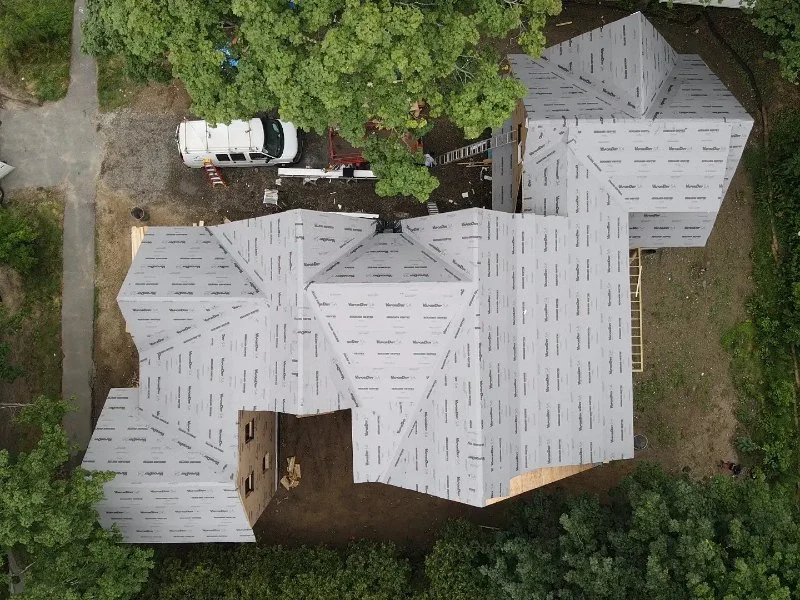
Roof deck moisture barriers are critical components that protect your home from water infiltration and structural damage. In Canadian climates, snow, ice, and humidity can create condensation within roof assemblies. Without a proper moisture barrier, water can seep into insulation and the structural deck, causing mold growth, wood rot, and reduced energy efficiency.
By installing a moisture barrier, homeowners ensure their roofing system remains durable and energy-efficient, reducing long-term repair costs and enhancing indoor comfort.
2. Types of Vapour Retarders and Their Uses
Vapour retarders control the movement of moisture through the roof assembly. Selecting the right type is crucial for effective protection:
- Class I Vapour Retarders: Impermeable materials like polyethylene sheets, ideal for areas with high humidity.
- Class II Vapour Retarders: Semi-permeable materials such as kraft-faced insulation, suitable for moderate moisture control.
- Class III Vapour Retarders: Low-permeability materials like certain paints or coatings, used in regions with minimal moisture issues.
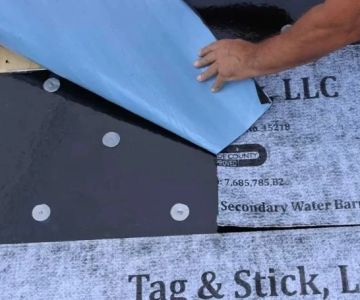
- Self-Adhered Membranes: Modern solutions that combine air and moisture barrier functions for added protection.
Choosing the correct vapour retarder depends on local climate, roof type, and building codes, especially in Canadian winters where snow accumulation and condensation are common.
GoldHill Roofing / goldhill
526 Welham Rd Unit 1, Barrie, ON L4N 8Z7, Canada
3. Installation and Best Practices
Proper installation ensures the effectiveness of moisture barriers and vapour retarders:
- Inspect the roof deck for damage and clean the surface prior to installation.
- Apply vapour retarders according to manufacturer instructions, ensuring seams are sealed properly.
- Maintain a continuous barrier to prevent moisture penetration at joints, penetrations, and edges.
- Coordinate with insulation placement to avoid thermal bridging and maximize energy efficiency.
- Consider professional installation in areas with complex roof geometry or extreme weather exposure.
Adhering to best practices ensures long-term protection against water damage and condensation issues.
4. Common Issues and Solutions
Even with proper materials, problems can arise:
- Improper Sealing: Gaps at seams or penetrations can allow moisture infiltration. Solution: Re-seal joints and overlaps with compatible tape or sealant.
- Incorrect Material Selection: Using low-permeability materials in high-humidity areas can trap condensation. Solution: Replace with appropriate vapour retarder rated for local climate.
- Damage During Construction: Punctures or tears can compromise the barrier. Solution: Repair immediately with patching or self-adhesive membrane.
- Lack of Inspection: Unnoticed damage can lead to long-term issues. Solution: Schedule regular inspections, especially after winter or heavy storms.
5. Real-Life Examples of Moisture Protection
In Ontario, a residential property experienced condensation problems in the attic during winter. Pickering Roofing installed a Class I vapour retarder and reinforced the roof deck barrier. The result was a dry, well-insulated attic that improved energy efficiency and prevented mold growth.
Another example involves a Toronto townhouse with a flat roof. Improperly installed vapour retarder led to minor leaks and insulation damage. Professional correction restored barrier integrity, protecting the roof from further moisture-related issues. These cases highlight the importance of correct material choice and installation practices.
6. Professional Help and Inspection
While homeowners can inspect for obvious issues, professional expertise is essential for long-term roof deck moisture protection:
- Licensed roofing contractors can assess roof deck conditions and recommend suitable vapour retarders.
- Professional installation ensures continuous barrier coverage, preventing gaps and weak points.
- Platforms like Pickering Roofing provide access to experienced contractors who understand Canadian building codes and climate-specific considerations.
- Regular inspections and preventive maintenance reduce the risk of structural damage, mold, and energy loss.
By understanding roof deck moisture barriers and vapour retarders, Canadian homeowners can protect their properties, extend roof lifespan, and maintain safe, energy-efficient homes.
 Abraham Roofing4.0 (13 reviews)
 MO Precision Roofing5.0 (13 reviews)
 Bradstone roofing and construction1.0 (1 reviews)
 AC Patio Covers0.0 (0 reviews)
 Cover Up Roofing5.0 (7 reviews)
 Markit Roofing Ltd. (Edmonton)1.0 (1 reviews)
 How Much Does a New Roof Cost in 2025? Canadian Roofing Price Guide
 Top Signs Your Roof Has a Leak and What to Do About It in Canada
 Can You Install a New Roof Over an Old One in Canada?
 The Top Questions to Ask Before Hiring a Roofer in Canada
 What Are the Most Common Roofing Scams and How to Avoid Them in Canada
 How to Prepare Your Home for a Roofing Project in Canada