
- Why Roof Tear-Offs Are Common in Canada
- What a Complete Roof Tear-Off Actually Includes
- Average Roof Tear-Off Costs Across Canada
- Major Factors That Affect Roof Removal Pricing
- Removing Old Shingles, Felt and Nails Explained
- Why Canadian Weather Makes Roofing More Complicated
- Hidden Costs Homeowners Often Overlook
- Real Homeowner Stories and Roofing Lessons
- Roof Overlay vs Full Tear-Off: Which Is Better?
- How to Choose a Reliable Roofing Contractor
- Warning Signs Your Roof Needs Immediate Attention
- Planning a Roof Tear-Off With Confidence
Why Roof Tear-Offs Are Common in Canada
Roof replacement projects are a major reality for homeowners across Canada. Between freezing winters, heavy snowfall, ice buildup, strong winds, and dramatic seasonal temperature changes, Canadian roofs experience constant stress throughout the year.
That is one reason searches for “How much does a roof tear-off cost in Canada?” continue growing online.
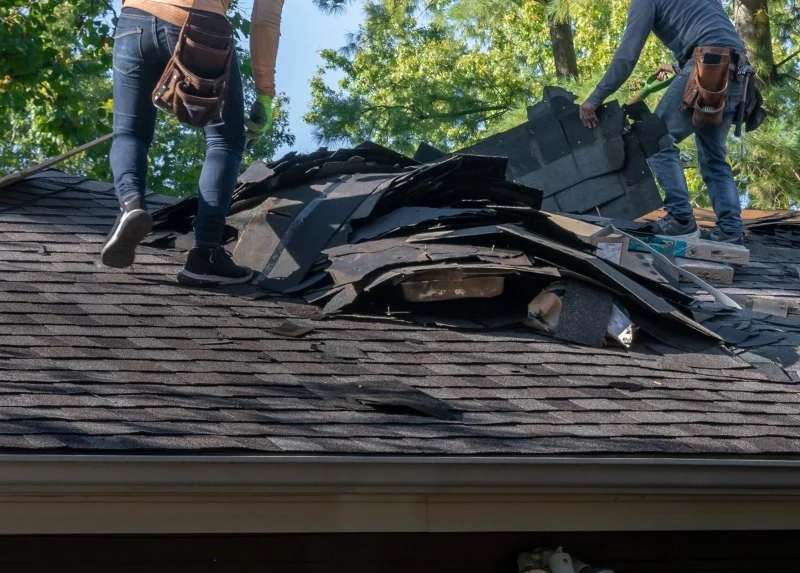
Many homeowners initially focus only on installing new shingles, but the tear-off process itself represents a major portion of total roofing costs. Removing old shingles, worn-out felt paper, and thousands of roofing nails requires labor, equipment, disposal planning, and safety precautions.
Unlike cosmetic home upgrades, roofing projects directly protect the structural integrity of a home. Delaying necessary roof replacement can lead to:
- Water leaks
- Mold growth
- Rotting wood
- Insulation damage
- Interior ceiling stains
- Structural deterioration
Canadian homeowners often discover roofing issues after harsh winters expose weaknesses that may have gone unnoticed during warmer months.
Toitures Garant et Frères Inc / toiture garant
LévisChaudière-AppalachesQuébec
6615 Rue Alfred-Pellan, Lévis, QC G6V 9S9, Canada
Why Tear-Offs Matter More Than Many People Expect
Some homeowners assume new shingles can simply be installed over old roofing layers. While overlays are sometimes possible, many professional roofers strongly recommend full tear-offs because they allow contractors to inspect the roof deck underneath.
A complete tear-off provides a cleaner, longer-lasting foundation for a new roofing system.

Custom Contracting Burlington Roofing & Eavestrough Repair Burlington / eavestrough burlington
BurlingtonRegional Municipality of HaltonOntario
687 Waterloo St, Burlington, ON L7R 2S9, Canada
Modern Roofing Standards Continue Improving
Building practices evolve over time. Older roofing systems may lack:
- Modern waterproof membranes
- Proper ventilation
- Ice and water shield protection
- Updated flashing systems
- Improved underlayment materials
Removing old materials allows contractors to modernize the entire roofing structure instead of simply covering aging problems.
What a Complete Roof Tear-Off Actually Includes
Many homeowners are surprised to learn how much work occurs before new shingles are even installed.
1. Removing Old Shingles
The first stage involves stripping existing asphalt shingles from the roof surface.
Roofing crews use specialized tear-off tools to lift and remove old materials efficiently.
Older shingles often become brittle after years of UV exposure and freezing temperatures, making removal messy and labor-intensive.
2. Removing Old Felt or Underlayment
Beneath shingles sits roofing felt or synthetic underlayment.
This layer acts as secondary moisture protection.
Old felt may become torn, saturated, or deteriorated over time, especially in climates with heavy snow and ice.
Professional tear-offs usually remove these materials completely.
3. Nail Removal and Surface Preparation
Thousands of roofing nails remain after shingle removal.
Crews carefully remove or hammer down leftover nails to prepare the roof deck for new installation.
This stage is critical because uneven surfaces can damage new shingles later.
4. Roof Deck Inspection
Once the roof is exposed, contractors inspect plywood or wood decking underneath.
They check for:
- Rot
- Water damage
- Soft spots
- Mold
- Structural weakness
This inspection phase often reveals hidden issues homeowners never knew existed.
5. Cleanup and Disposal
Roof tear-offs generate enormous amounts of debris.
Cleanup typically includes:
- Shingle disposal
- Nail collection
- Magnetic sweeps around property
- Dumpster loading
- Site protection
Good cleanup practices matter because stray nails can damage tires and create safety hazards.
Average Roof Tear-Off Costs Across Canada
Roof tear-off pricing varies significantly depending on region, roof size, complexity, and material condition.
Typical Tear-Off Pricing Ranges
In many Canadian markets, homeowners may pay approximately:
- $1.50 to $5.00 per square foot for tear-off labor and disposal
- $5,000 to $15,000+ for complete roof replacement projects
- Higher costs for steep or complex roofs
Large homes with multiple rooflines naturally cost more.
Urban Areas Often Cost More
Cities such as Toronto, Vancouver, and Calgary frequently have higher labor and disposal costs.
Contractors operating in major urban regions often face:
- Higher insurance expenses
- Parking restrictions
- Labor shortages
- Increased landfill fees
- Stricter regulations
Roof Size Is Only Part of the Equation
Two homes with identical square footage may have dramatically different roofing prices.
Factors like roof pitch, accessibility, and architectural complexity heavily influence labor difficulty.
Major Factors That Affect Roof Removal Pricing
Homeowners often ask why roofing estimates vary so widely between contractors.
The answer usually involves multiple variables.
Steep Roofs Increase Labor Difficulty
Steeper roofs require additional safety equipment and slower working conditions.
Contractors may need:
- Harness systems
- Roof jacks
- Additional crew members
- Safety barriers
This increases labor costs.
Multiple Roofing Layers Add Complexity
Some older homes contain two or even three layers of shingles.
Extra layers increase:
- Removal time
- Debris weight
- Disposal fees
- Labor fatigue
Removing multiple generations of roofing materials becomes significantly more expensive.
Roof Accessibility Impacts Pricing
Homes with limited driveway access or tight urban spacing may require additional effort for debris removal.
Dumpster placement becomes more complicated in crowded neighborhoods.
Weather Timing Matters
Roofing during peak summer demand periods can increase costs due to contractor scheduling pressure.
Emergency repairs after storms may also raise pricing.
Removing Old Shingles, Felt and Nails Explained
Many homeowners underestimate how physically demanding roofing tear-offs actually are.
Old Asphalt Shingles Become Extremely Heavy
Years of moisture exposure can increase shingle weight significantly.
Wet roofing debris becomes difficult to handle and transport.
Felt Removal Can Reveal Hidden Damage
Once underlayment is stripped away, roofers sometimes discover:
- Warped plywood
- Mold growth
- Ventilation problems
- Ice dam damage
This is one reason experienced contractors prefer full tear-offs rather than shortcuts.
Nail Cleanup Is More Important Than Homeowners Realize
A standard roof may contain thousands of nails.
Professional crews use magnetic rollers repeatedly around the property after projects finish.
Missed nails can:
- Puncture vehicle tires
- Injure pets
- Create hazards for children
- Damage lawn equipment
Why Canadian Weather Makes Roofing More Complicated
Canadian climate conditions create unique roofing challenges compared to warmer regions.
Freeze-Thaw Cycles Damage Roofing Materials
Water expands when frozen.
Repeated freeze-thaw cycles gradually weaken shingles and flashing systems.
Small cracks eventually become larger leaks.
Ice Dams Are a Serious Problem
Ice dams form when melting snow refreezes near roof edges.
This trapped water may back up beneath shingles.
Over time, repeated ice dam formation damages roofing systems significantly.
Heavy Snow Loads Add Stress
Canadian winters place enormous structural weight on roofs.
Older roofing systems may struggle under prolonged snow accumulation.
Windstorms Accelerate Shingle Wear
Strong winds gradually loosen aging shingles, especially around roof edges and ridges.
Once shingles lift, water infiltration risks increase quickly.
Hidden Costs Homeowners Often Overlook
Initial roofing estimates sometimes increase after work begins.
Rotten Decking Repairs
Contractors cannot always see hidden structural damage until tear-off begins.
If plywood replacement becomes necessary, material and labor costs rise.
Ventilation Upgrades
Older homes may lack proper attic ventilation.
Insufficient airflow contributes to:
- Moisture buildup
- Mold growth
- Reduced shingle lifespan
- Ice dam formation
Modern ventilation improvements sometimes become part of roof replacement projects.
Disposal Fees Continue Increasing
Landfill costs have risen in many Canadian municipalities.
Heavy asphalt debris disposal can significantly impact project pricing.
Flashing and Chimney Repairs
Roof tear-offs occasionally reveal deteriorated flashing around:
- Chimneys
- Skylights
- Vents
- Roof valleys
These repairs improve long-term leak prevention.
Real Homeowner Stories and Roofing Lessons
Roofing projects often become memorable experiences for homeowners.
The Hidden Leak Surprise
An Ontario homeowner delayed roof replacement for several years because exterior shingles appeared “mostly fine.”
After a full tear-off finally began, contractors discovered major plywood rot hidden beneath the surface.
Small attic leaks had quietly caused damage for years.
The homeowner later admitted that delaying repairs increased total costs substantially.
The Cheap Estimate Mistake
A family in Alberta accepted an unusually low roofing quote from an uninsured contractor.
Cleanup problems followed the project, including nails scattered across the driveway and damaged landscaping.
Eventually, another roofing company had to correct installation issues.
Many homeowners learn that extremely cheap estimates sometimes create expensive long-term consequences.
Post-Storm Roofing Demand Spikes
After severe storms, roofing demand often surges rapidly across affected regions.
Some contractors become booked for months.
Homeowners who schedule proactive roof replacement before emergencies frequently avoid higher stress and rushed decisions.
Roof Overlay vs Full Tear-Off: Which Is Better?
Some homeowners consider overlays to reduce upfront costs.
What Is a Roof Overlay?
An overlay installs new shingles directly over existing roofing materials.
This avoids tear-off labor and disposal costs initially.
Why Many Roofers Prefer Full Tear-Offs
Complete removal provides several advantages:
- Better inspection access
- Reduced roof weight
- Longer-lasting installation
- Improved moisture protection
- Cleaner appearance
Many professional contractors believe overlays only delay deeper roofing issues.
Some Building Codes Limit Multiple Layers
In many regions, roofing codes restrict how many shingle layers are permitted.
Eventually, full removal becomes unavoidable.
How to Choose a Reliable Roofing Contractor
Choosing the right contractor matters as much as choosing roofing materials.
Look for Proper Insurance
Roofing is dangerous work.
Professional contractors should carry:
- Liability insurance
- Worker coverage
- Proper licensing
Written Estimates Protect Homeowners
Detailed written quotes help clarify:
- Labor scope
- Cleanup expectations
- Material details
- Warranty information
- Project timelines
Good Communication Matters
Reliable roofing companies explain processes clearly and answer homeowner questions honestly.
Professional communication often reflects overall project quality.
Reputation Is Extremely Important
Experienced contractors usually develop strong local reputations over time.
Homeowners often benefit from researching reviews and previous project examples carefully.
Warning Signs Your Roof Needs Immediate Attention
Many roof problems worsen gradually before becoming obvious.
Exterior Warning Signs
- Missing shingles
- Curling edges
- Granule loss
- Sagging sections
- Moss growth
Interior Signs Often Mean Water Is Already Entering
- Ceiling stains
- Attic moisture
- Mold smells
- Peeling paint
- Drafts
Ignoring these signs may increase repair costs significantly later.
Planning a Roof Tear-Off With Confidence
Understanding how much a roof tear-off costs in Canada involves more than comparing simple square-foot pricing. Every roofing project reflects a combination of labor difficulty, weather exposure, material condition, disposal requirements, and long-term structural protection.
Removing old shingles, felt, and nails is not glamorous work, but it forms the foundation of a successful roof replacement. Proper tear-offs allow contractors to inspect hidden damage, modernize waterproofing systems, and create safer, longer-lasting roofing installations.
Canadian homeowners face particularly demanding climate conditions, which makes quality roofing work especially important. Heavy snow, ice dams, windstorms, and seasonal temperature extremes all place enormous pressure on aging roofs.
For homeowners researching roofing solutions, replacement planning, tear-off pricing, and dependable contractor support, Pickering Roofing can provide valuable guidance and professional roofing services tailored to Canadian conditions.
Investing in a proper roof tear-off today often prevents much larger repair expenses tomorrow. A strong roof protects not only the house itself, but also the comfort, safety, and long-term value of the entire property.



 Toiture Rhino | Toitures en bardeaux d'asphalte à Lévis et Québec4.0 (48 reviews)
 Réparateur De Toit 995.0 (1 reviews)
 J&D's roofing &siding0.0 (0 reviews)
 Roofcraft Incorporated5.0 (5 reviews)
 Toiture TNT / Gatineau Outaouais4.0 (135 reviews)
 Tarcom Roofing5.0 (3 reviews)
 How Much Does a New Roof Cost in 2025? Canadian Roofing Price Guide
 Top Signs Your Roof Has a Leak and What to Do About It in Canada
 Can You Install a New Roof Over an Old One in Canada?
 The Top Questions to Ask Before Hiring a Roofer in Canada
 What Are the Most Common Roofing Scams and How to Avoid Them in Canada
 How to Prepare Your Home for a Roofing Project in Canada