
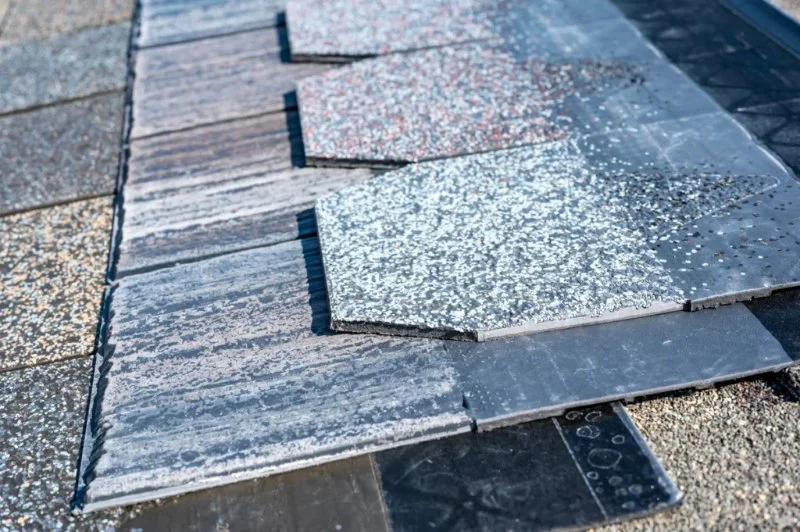
- polymer-roofing-shingles-canada-2026
- why-homeowners-choose-composite-roofing
- technology-behind-polymer-roofing-materials
- benefits-of-synthetic-roofing-shingles
- performance-in-canadian-weather-conditions
- comparison-with-traditional-roofing-materials
- installation-and-maintenance-considerations
- future-of-composite-roofing-in-canada
Polymer Roofing Shingles in Canada 2026: A New Era of Composite Roofing Solutions
The roofing industry in Canada is experiencing a major transformation as homeowners look for materials that combine durability, appearance, energy efficiency, and long-term value. Traditional roofing options such as asphalt shingles have been widely used for decades, but new technologies are creating alternatives that can better handle Canada’s demanding climate. Among these innovations, Polymer Roofing Shingles in Canada 2026 are becoming one of the most discussed next-generation roofing solutions.
Polymer roofing shingles, also known as synthetic or composite roofing shingles, are engineered materials designed to replicate the appearance of natural products such as wood shakes, slate, or traditional shingles while offering improved resistance against weather damage. These advanced roofing options are especially attractive for Canadian homeowners who face harsh winters, heavy snowfall, strong winds, temperature changes, and occasional extreme weather events.
For homeowners exploring modern roofing upgrades, companies like Pickering Roofing provide valuable guidance in selecting roofing systems that match local climate conditions, architectural styles, and long-term property goals. Choosing the right roofing material is no longer only about replacing damaged shingles; it is about investing in the future protection and value of a home.
Flynn Canada Ltd. - Ottawa / flynn ottawa
1655 Comstock Rd, Gloucester, ON K1B 5L2, Canada
Why Homeowners Are Choosing Composite Roofing Options
The growing demand for stronger roofing materials
Canadian homeowners are becoming increasingly aware that a roof is one of the most important protective systems of a property. A roof must withstand years of environmental stress while maintaining its structural integrity and appearance. This has increased interest in composite roofing options that provide more than basic protection.
Polymer roofing shingles are designed with advanced polymers and reinforced materials that create a lightweight yet highly durable roofing surface. Unlike some traditional materials that may crack, absorb moisture, or deteriorate over time, synthetic roofing products are manufactured to resist common roofing problems.
Many homeowners are also considering resale value. A modern, attractive roof can improve curb appeal and make a property more appealing to future buyers. A home with premium composite roofing can communicate quality, energy awareness, and careful maintenance.
J.R. Trory & Company Ltd / burrard roofing & drainage
North VancouverMetro VancouverBritish Columbia
1443 Crown St, North Vancouver, BC V7J 1G4, Canada
The balance between beauty and performance
One reason polymer roofing shingles are gaining popularity is their ability to combine visual appeal with practical performance. Many homeowners love the appearance of cedar shakes or natural slate but hesitate because of maintenance requirements and cost concerns.
Composite roofing materials provide a similar aesthetic without many of the weaknesses associated with natural materials. Manufacturers can create realistic textures, colors, and patterns, allowing homeowners to achieve a high-end appearance while benefiting from modern engineering.
The Technology Behind Polymer Roofing Materials
How polymer shingles are manufactured
Polymer roofing shingles are created through advanced manufacturing processes that combine synthetic materials with reinforcement technologies. The exact formulas vary between manufacturers, but many products use a mixture of engineered polymers, recycled materials, and protective additives.
The goal is to create a roofing product that is flexible enough to handle temperature changes but strong enough to resist impact and environmental stress. This balance is especially important in Canada, where roofing materials may experience freezing temperatures in winter and intense sunlight during summer.
Impact resistance and structural improvements
One of the biggest advantages of modern composite roofing is improved impact resistance. Severe weather events, including hailstorms and strong winds, can damage conventional roofing materials. Polymer shingles are often designed with enhanced durability features that help reduce the risk of cracking or breaking.
For homeowners living in regions where storms are common, investing in stronger roofing materials can provide additional peace of mind. A durable roof can reduce repair frequency and help protect the interior of a home from water damage.
Key Benefits of Synthetic Roofing Shingles for Canadian Homes
1. Long-lasting durability
One of the main reasons homeowners consider Polymer Roofing Shingles in Canada 2026 is their expected lifespan. Quality composite roofing systems are designed to last significantly longer than many standard roofing alternatives when properly installed and maintained.
The materials are engineered to resist problems such as moisture absorption, mold growth, insect damage, and material breakdown. This makes them particularly suitable for homeowners looking for a roofing investment rather than a short-term solution.
2. Resistance to extreme weather
Canada’s climate creates unique roofing challenges. A roof may experience heavy snow accumulation, ice formation, freezing and thawing cycles, strong winds, and summer heat. Materials that perform well in moderate climates may struggle under these conditions.
Composite roofing options are designed to handle these environmental changes. Their flexibility allows them to expand and contract with temperature fluctuations, reducing the chance of damage caused by repeated weather cycles.
3. Lower maintenance requirements
Many homeowners appreciate roofing materials that require less ongoing maintenance. Natural materials often require regular inspections and treatments to preserve their appearance and performance.
Synthetic roofing shingles typically require fewer maintenance procedures because they are designed to resist common issues such as rotting, warping, and splitting. This can save homeowners time and money throughout the roof’s lifespan.
4. Environmental advantages
Sustainability has become an important factor in home improvement decisions. Many polymer roofing products incorporate recycled materials and are designed with resource efficiency in mind.
By choosing durable roofing materials that last longer, homeowners may reduce the frequency of roof replacements and decrease construction waste over time. Some composite roofing products can also be recycled at the end of their service life.
How Polymer Roofing Performs in Canadian Weather Conditions
Winter snow and freezing temperatures
Canadian winters are one of the biggest tests for any roofing system. Heavy snowfall creates weight pressure, while freezing temperatures can cause some materials to become brittle.
Polymer roofing shingles are engineered to maintain their performance in cold conditions. Their resistance to cracking helps them remain reliable during freeze-thaw cycles, which are common throughout many Canadian provinces.
Summer heat and UV exposure
Although Canada is known for cold winters, summer temperatures can also affect roofing performance. Continuous exposure to sunlight can cause certain materials to fade or weaken.
Modern composite roofing products often include UV-resistant technology that helps maintain color stability and material strength over time.
Wind and storm protection
Strong winds can lift or damage poorly installed roofing materials. Polymer shingles are often designed with secure installation systems that help improve wind resistance.
Professional installation remains essential because even the best roofing material depends on proper techniques to perform effectively. Homeowners can consult experienced roofing professionals such as Pickering Roofing to understand installation requirements and suitable options.
Polymer Roofing Shingles Compared With Traditional Options
Polymer shingles vs asphalt shingles
Asphalt shingles remain one of the most common roofing materials in North America because they are affordable and widely available. However, they may not offer the same level of durability and design flexibility as advanced composite roofing products.
Polymer shingles generally provide better resistance to impact, weather changes, and long-term appearance retention. While the initial investment may be higher, many homeowners consider the extended lifespan and reduced maintenance valuable advantages.
Polymer shingles vs natural slate
Natural slate roofing is admired for its beauty and exceptional lifespan, but it is also heavy and expensive. Some homes require additional structural support to handle slate roofing weight.
Synthetic slate-style polymer shingles offer a similar appearance with significantly reduced weight. This makes them an attractive alternative for homeowners who want a premium look without structural complications.
Polymer shingles vs wood shakes
Wood shakes provide a classic appearance but require regular maintenance to prevent moisture damage, decay, and insect problems.
Composite roofing can recreate the appearance of wood while offering improved resistance against these challenges. This makes it a practical choice for homeowners who appreciate traditional styles but prefer modern performance.
Installation and Maintenance Considerations
The importance of professional installation
Even advanced roofing materials require skilled installation. Incorrect placement, poor ventilation, or improper sealing can reduce the effectiveness of any roofing system.
A professional roofing contractor evaluates factors such as roof design, climate exposure, insulation, and ventilation before installation. This ensures that the roofing system performs as intended.
Regular inspections for long-term performance
Although polymer roofing shingles are low maintenance, regular inspections remain important. Small issues can become expensive repairs if they are ignored for too long.
Homeowners should monitor areas around chimneys, roof edges, flashing, and drainage systems. Early detection helps preserve roof performance and prevents unnecessary damage.
The Future of Composite Roofing in Canada
Growing adoption of smart building materials
The future of roofing is moving toward smarter, more sustainable, and more resilient materials. Polymer roofing shingles represent part of a larger trend toward construction products designed for changing environmental conditions.
As homeowners become more focused on energy efficiency, durability, and sustainable choices, demand for advanced composite roofing options is expected to continue growing.
Why 2026 may be an important year for roofing innovation
By 2026, homeowners will have access to more roofing choices than ever before. Improvements in manufacturing technology are helping create products that are stronger, more attractive, and more environmentally responsible.
The decision to upgrade a roof is becoming less about replacing damaged materials and more about selecting a long-term home protection strategy. Polymer Roofing Shingles in Canada 2026 represent this shift toward intelligent, future-focused home improvement.
For homeowners researching premium roofing solutions, working with knowledgeable professionals such as Pickering Roofing can help identify the best materials based on location, budget, design preferences, and performance expectations.
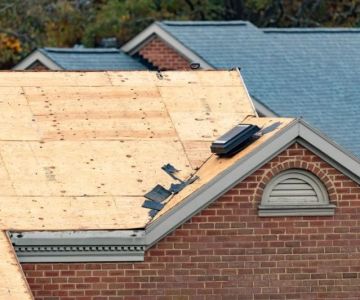
 Superstars Roofing5.0 (2 reviews)
 Infinity Roofing3.0 (3 reviews)
 Cactus Roofing Ltd3.0 (27 reviews)
 Nova Toiture5.0 (8 reviews)
 Toitures Aube Inc5.0 (3 reviews)
 Real Steel Roofing5.0 (16 reviews)
 How Much Does a New Roof Cost in 2025? Canadian Roofing Price Guide
 Top Signs Your Roof Has a Leak and What to Do About It in Canada
 Can You Install a New Roof Over an Old One in Canada?
 The Top Questions to Ask Before Hiring a Roofer in Canada
 What Are the Most Common Roofing Scams and How to Avoid Them in Canada
 How to Prepare Your Home for a Roofing Project in Canada