
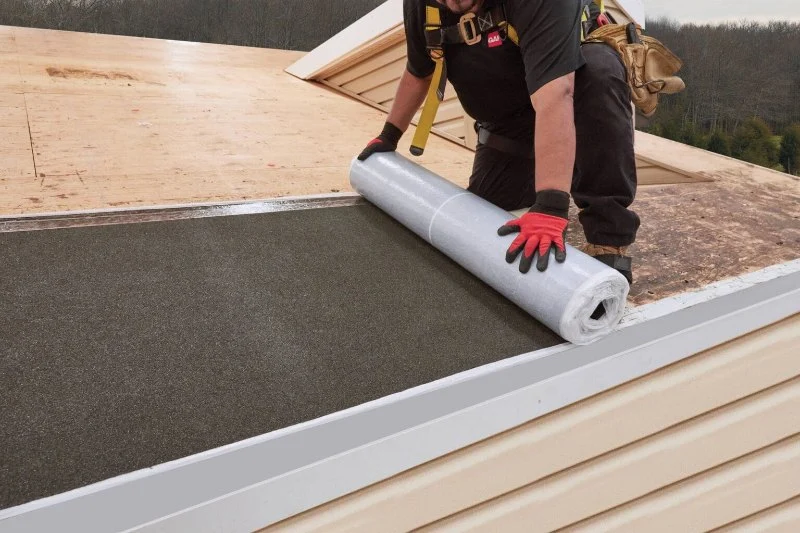
1. Understanding Roof Underlayment
When it comes to protecting your home, the roof plays a critical role, and roof underlayment is one of its most essential components. Roof underlayment is a material that sits between the roofing material and the deck of your home, providing an additional layer of protection. It helps prevent water penetration, adds insulation, and ensures that your roof performs effectively over time. In this article, we’ll dive into the different roof underlayment options available and discuss the best choices for Canadian homes.
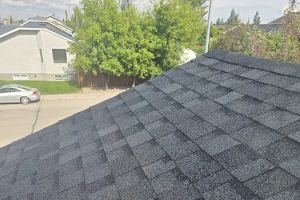
2. Types of Roof Underlayment
There are several types of roof underlayment, each offering different levels of protection and suited for various climates and roofing materials:
- Asphalt-Saturated Felt: The most common type, available in two main grades, 15-pound and 30-pound. It is a durable, affordable option suitable for many roofing applications.
- Synthetic Underlayment: Made from polypropylene or polyethylene, synthetic underlayment is lighter and stronger than felt, offering better resistance to water and tear. It’s perfect for areas that experience heavy snow or rainfall.
- Rubberized Asphalt: Ideal for areas with extreme weather conditions, this underlayment is waterproof and provides superior protection against moisture. It’s a popular choice for flat roofs.
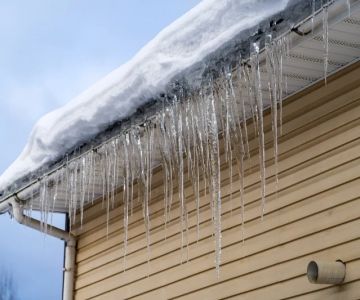
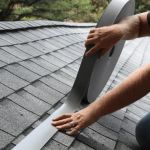
- Peel-and-Stick Underlayment: This type of underlayment is self-adhesive, providing an easy and secure installation. It offers superior water resistance and is especially effective in areas prone to ice dams.
3. Benefits of Roof Underlayment
Roof underlayment is not only crucial for preventing leaks, but it also offers a range of other benefits:
- Water Resistance: The primary function of underlayment is to provide a waterproof barrier, protecting your home from water damage in case of roof leaks or storms.
- Additional Insulation: Underlayment can provide extra insulation, helping to regulate the temperature inside your home.
- Increased Roof Longevity: The right underlayment can help extend the lifespan of your roofing material by providing a layer of protection against the elements.
- Improved Energy Efficiency: Insulating underlayment can reduce heat loss in winter and keep your home cooler in summer, contributing to lower energy bills.
4. How to Choose the Right Roof Underlayment
Choosing the right underlayment depends on a few factors. Here’s what you should consider:
- Climate Conditions: If you live in a cold region, such as Canada, you may need a more durable, waterproof underlayment to protect against snow, ice dams, and freezing temperatures.
- Roof Slope: For steeper roofs, a lighter underlayment may suffice, while flatter roofs may benefit from heavier, more resistant materials.
- Roof Material: Different roofing materials, like shingles, tiles, or metal, may require specific types of underlayment to work in conjunction with them.
- Budget: While more expensive options, like rubberized asphalt or peel-and-stick, provide superior protection, asphalt-saturated felt is a more budget-friendly alternative.
5. Roof Underlayment for Cold Climates
For Canadian homes, roof underlayment must be able to withstand extreme weather conditions, including heavy snow, ice, and freezing temperatures. In these climates, a good underlayment is essential to prevent water damage caused by ice dams and moisture buildup.
Recommended Options: Synthetic underlayment and rubberized asphalt are excellent choices for cold climates, as they offer superior water resistance and durability. The self-adhesive peel-and-stick variety is also a great option for extra protection against ice dams.
Roof Doctor / roof doctors
KelownaCentral OkanaganBritish Columbia
715 Evans Ct, Kelowna, BC V1X 6G4, Canada
6. Real-World Example: Underlayment in Action
In a recent project in Toronto, a homeowner replaced their roof after noticing significant ice damming during the winter. The contractor recommended using a synthetic underlayment with a peel-and-stick membrane for enhanced waterproofing. After installation, the roof has performed excellently, even during the heaviest snowstorms, preventing leaks and reducing heating costs.
7. Working with Professionals: Roof Installation
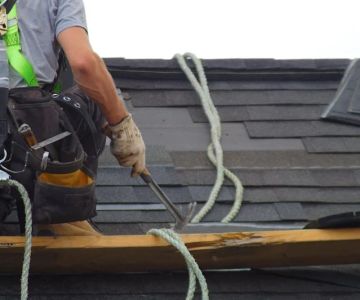
It’s essential to work with a professional roofing contractor who is familiar with the best underlayment options for your climate and roofing material. They can help you choose the right product and ensure proper installation for long-lasting protection.
8. Final Thoughts on Roof Underlayment Options
Choosing the right roof underlayment is a crucial decision for any homeowner, especially in cold climates like Canada. By understanding the different types of underlayment and their benefits, you can make an informed choice that will protect your home from the elements for years to come. For high-quality roofing and underlayment products, consider checking out Pickering Roofing for the best materials and expert advice.


 Ainger Group Roofing and Exteriors5.0 (11 reviews)
 Princess Roofing4.0 (4 reviews)
 Toiture Premium | Québec et Lévis4.0 (29 reviews)
 Go2Guys4.0 (156 reviews)
 Classic Roofing & Windows4.0 (29 reviews)
 Fraserview Roofing4.0 (27 reviews)
 How Much Does a New Roof Cost in 2025? Canadian Roofing Price Guide
 Top Signs Your Roof Has a Leak and What to Do About It in Canada
 Can You Install a New Roof Over an Old One in Canada?
 The Top Questions to Ask Before Hiring a Roofer in Canada
 What Are the Most Common Roofing Scams and How to Avoid Them in Canada
 How to Prepare Your Home for a Roofing Project in Canada