
- 1. Understanding Coastal Roofing Challenges
- 2. The Impact of Salt Spray and Wind on Roofing
- 3. Choosing the Right Materials for Coastal Roofs
- 4. Roofing Design Strategies for Coastal Areas
- 5. Maintenance and Long-Term Durability of Coastal Roofs
- 6. Real-Life Examples of Successful Coastal Roofing
1. Understanding Coastal Roofing Challenges
Coastal environments present unique challenges for roofing design due to the combination of salt spray, high winds, and the potential for extreme weather conditions. These factors can accelerate wear and tear on roofing materials, making it essential for homeowners and builders in coastal regions to adapt their roofing designs accordingly. Understanding these challenges is the first step toward ensuring that your roof can withstand the harsh coastal conditions and provide long-lasting protection.
The combination of high humidity, salt air, and strong winds can cause severe damage to traditional roofing materials, leading to corrosion, cracking, and premature aging. Coastal homes require roofing solutions that can resist these elements and maintain structural integrity over time.

Horizon Roofing Ltd / horizon roofing
3735 Cabana Road E, Windsor, ON N8V 0A5, Canada
2. The Impact of Salt Spray and Wind on Roofing
Salt spray, carried by the wind, can have a particularly damaging effect on roofing materials. The salt from the ocean acts as a corrosive agent, which can gradually eat away at metal roofs, gutters, and flashing, leading to rust and weakening of the material. Additionally, salt can accumulate on shingles and other surfaces, leading to discoloration, erosion, and eventual degradation.
Wind, on the other hand, can cause direct physical damage to roofing materials. Strong coastal winds can lift or displace shingles, tiles, or other roofing components, leading to leaks and structural damage. The pressure exerted by high winds can also cause roofing systems to buckle or tear, especially if the roof design does not adequately account for these forces.
For coastal homeowners, these factors highlight the need for durable, resistant roofing materials and designs that can stand up to both salt spray and high winds.

3. Choosing the Right Materials for Coastal Roofs
Choosing the right materials is crucial to ensure your roof can withstand coastal conditions. There are several materials that offer superior resistance to salt, wind, and moisture, making them ideal for coastal roofing projects:
- Metal Roofing: Metal roofs, particularly those made of aluminum or galvanized steel, are highly resistant to corrosion and are well-suited for coastal areas. These materials provide excellent durability and can withstand high winds without losing their structural integrity.
- Concrete and Clay Tiles: Concrete and clay tiles are popular choices for coastal homes due to their resistance to salt and wind. These tiles are heavy and durable, making them ideal for areas with strong winds. They also provide natural insulation, which can improve energy efficiency.
- Impact-Resistant Asphalt Shingles: While asphalt shingles are commonly used in many regions, impact-resistant shingles specifically designed for coastal areas offer improved wind resistance and durability. These shingles are designed to withstand the impact of debris and resist damage from high winds.
- Synthetic Roofing Materials: Synthetic roofing options, such as rubber or polymer-based materials, are becoming increasingly popular for coastal roofing. These materials offer excellent resistance to corrosion, salt, and high winds, and they are often more affordable than traditional materials like metal or clay tiles.
When selecting materials, it’s important to consider factors such as longevity, aesthetic preferences, budget, and the specific weather conditions in your area. For example, areas prone to hurricanes or heavy storms may benefit from more robust materials like metal roofing or concrete tiles.
4. Roofing Design Strategies for Coastal Areas
In addition to choosing the right materials, proper roofing design plays a crucial role in ensuring that the roof can withstand coastal salt spray and wind conditions. Here are some effective strategies for designing roofs in coastal areas:
- Sloped Roofs: A steeper slope helps water and salt spray run off more easily, reducing the likelihood of accumulation and preventing damage to roofing materials. Sloped roofs also reduce the risk of wind damage, as they are less likely to catch the wind and are more aerodynamic.
- Wind-resistant Features: Ensure that your roof is equipped with wind-resistant features, such as hurricane straps, reinforced rafters, and secure anchoring systems. These features help keep the roof intact during strong winds and prevent roof displacement.
- Proper Ventilation: Adequate ventilation is crucial for coastal roofs. Ventilation helps to regulate temperature and humidity levels, reducing the risk of mold and mildew growth caused by the salty air. A well-ventilated roof helps extend the lifespan of the materials and keeps the home comfortable.
- Corrosion-resistant Flashing and Gutters: Flashing and gutters made from corrosion-resistant materials, such as stainless steel or copper, can help protect the roof from water damage and prevent the build-up of salt and debris.
These design strategies help ensure that the roof is not only structurally sound but also capable of resisting the harsh conditions of coastal environments.
5. Maintenance and Long-Term Durability of Coastal Roofs
Even with the best materials and design, ongoing maintenance is key to preserving the durability of a coastal roof. Here are some tips to help extend the lifespan of your roof in a coastal environment:
- Regular Inspections: Conduct regular roof inspections to check for signs of wear and tear, such as rust, loose shingles, or clogged gutters. Look for salt accumulation and any damage caused by wind or debris.
- Cleaning and Debris Removal: Remove any debris from the roof and gutters regularly to prevent moisture buildup and salt damage. Consider using a soft-bristled brush to clean the roof to avoid scratching the surface.
- Re-coating and Re-sealing: Over time, protective coatings on roofing materials may wear away. Reapply coatings and sealants as necessary to maintain the roof's resistance to salt and moisture.
- Addressing Issues Promptly: If you notice any signs of damage, address them immediately to prevent further deterioration. Minor repairs can help extend the life of your roof and prevent more costly issues down the road.
6. Real-Life Examples of Successful Coastal Roofing
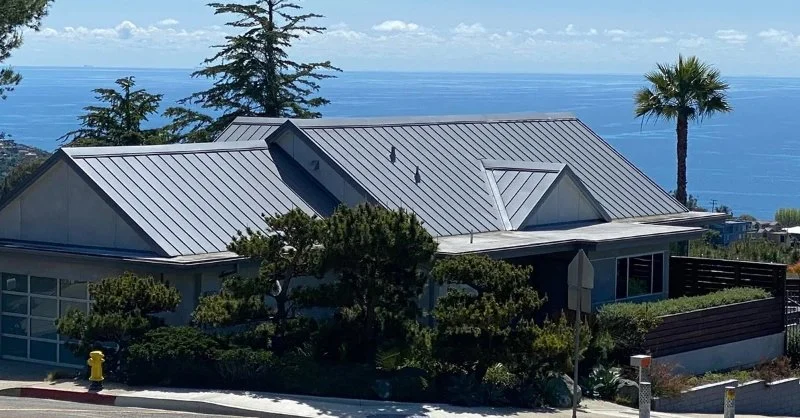
Real-life examples of successful coastal roofing can provide valuable insights into the best practices for adapting roofs to coastal salt spray and wind conditions. In one case, a coastal homeowner in British Columbia opted for a metal roof with a steep slope to withstand the frequent rain and high winds in the area. The metal roof, combined with reinforced flashing and proper ventilation, has stood the test of time, providing excellent protection from the harsh coastal elements.
Another example comes from a family living in Nova Scotia, where they installed clay tiles on their home due to the region’s strong winds and salt exposure. The tiles have proven to be durable and effective at withstanding both the salt spray and intense storms common in the area. Their roof continues to perform well after several years, proving the value of investing in quality materials designed for coastal conditions.
For your own coastal roofing needs, Pickering Roofing offers expert recommendations and services to help you choose the best roofing materials and designs for your home. Visit us to explore our range of durable, coastal-friendly roofing solutions.


 Den's Roofing5.0 (1 reviews)
 Canadian Siding and Roofing4.0 (17 reviews)
 Triumph Group of Companies Edmonton0.0 (0 reviews)
 Marlad Roofing & Siding Inc4.0 (30 reviews)
 Lutz Roof Masters5.0 (4 reviews)
 Avon Roofing4.0 (16 reviews)
 How Much Does a New Roof Cost in 2025? Canadian Roofing Price Guide
 Top Signs Your Roof Has a Leak and What to Do About It in Canada
 Can You Install a New Roof Over an Old One in Canada?
 The Top Questions to Ask Before Hiring a Roofer in Canada
 What Are the Most Common Roofing Scams and How to Avoid Them in Canada
 How to Prepare Your Home for a Roofing Project in Canada