
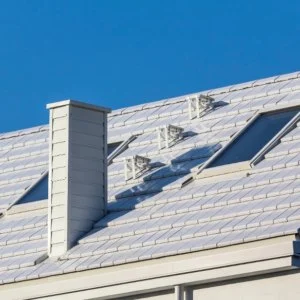
Are Cool Roofs Really Energy Efficient?
- 1 - What Is a Cool Roof?
- 2 - How Do Cool Roofs Work?
- 3 - Are Cool Roofs Really Energy Efficient?
- 4 - The Benefits of Installing a Cool Roof
- 5 - Are Cool Roofs Suitable for All Areas?
1 - What Is a Cool Roof?
A cool roof is a roofing system designed to reflect more sunlight and absorb less heat than a standard roof. This is achieved by using reflective materials or coatings that allow the roof surface to stay cooler. Cool roofs can be installed on both commercial and residential buildings, and they are becoming increasingly popular due to their potential energy savings and environmental benefits.
The main feature of a cool roof is its ability to reflect a high percentage of sunlight, which reduces the amount of heat that is transferred into the building. This makes the interior of the building cooler and reduces the need for air conditioning, leading to lower energy costs.
Ck Roofing Solutions / ck roofing solutions
MarkhamRegional Municipality of YorkOntario
8 Hikers Ln, Markham, ON L6B 0K3, Canada
2 - How Do Cool Roofs Work?
Cool roofs work by reflecting sunlight and absorbing less heat compared to traditional roofs. This is accomplished through the use of special materials that have high solar reflectance and thermal emittance properties.
- Solar Reflectance: This is the ability of a roof to reflect sunlight, which helps to keep the roof and building cooler.
- Thermal Emittance: This refers to the ability of the roof material to radiate absorbed heat away from the building. High thermal emittance helps the roof stay cool even on hot days.
In regions with hot climates, cool roofs can be a game-changer, as they significantly reduce the amount of heat that builds up on the roof. The reduced heat inside the building can decrease the reliance on air conditioning systems, which in turn saves energy and lowers cooling costs.

CentiMark Ltd. / centimark corporation
740 Huronia Rd Unit 9, Barrie, ON L4N 6C6, Canada
3 - Are Cool Roofs Really Energy Efficient?
The energy efficiency of cool roofs depends on several factors, including the climate, the building’s design, and the type of roofing material used. In many cases, cool roofs are highly energy-efficient, particularly in warm climates where air conditioning is used extensively.
Here’s why cool roofs can improve energy efficiency:
- Reduced Cooling Costs: By reflecting more sunlight, cool roofs prevent heat from entering the building, which can reduce the need for air conditioning. In some cases, this can result in a significant reduction in cooling costs.
- Lower Peak Energy Demand: In hot climates, cool roofs can lower the peak demand for electricity during the summer months. This is especially important in areas where energy demand spikes during heatwaves.
- Improved Indoor Comfort: With cooler roofs, the temperature inside the building is more consistent, making the living or working environment more comfortable and reducing reliance on cooling systems.
Studies show that cool roofs can reduce air conditioning costs by up to 10-30%, depending on the local climate and the type of cooling system used. In addition to energy savings, cool roofs also reduce the urban heat island effect, which is the phenomenon where cities are significantly warmer than surrounding rural areas due to heat absorption by buildings and roads.
4 - The Benefits of Installing a Cool Roof
In addition to energy efficiency, cool roofs provide a range of other benefits:
- Extended Roof Lifespan: Cool roofs are generally more durable than traditional roofs. By reflecting sunlight and staying cooler, they are less prone to degradation caused by UV radiation and heat, potentially extending the lifespan of your roof.
- Environmental Impact: Cool roofs help mitigate the urban heat island effect, contributing to a cooler environment in densely populated areas. This helps reduce the overall demand for air conditioning, leading to lower greenhouse gas emissions.
- Improved Indoor Air Quality: With reduced reliance on air conditioning, cool roofs can help improve indoor air quality by reducing the use of air-purifying systems that rely on mechanical cooling.
5 - Are Cool Roofs Suitable for All Areas?
While cool roofs offer many benefits, they are not always the best option for every location. Here are some factors to consider when deciding if a cool roof is right for your area:
- Climate: Cool roofs are most effective in warm climates where air conditioning is needed for much of the year. In colder climates, the reflective nature of a cool roof may result in a loss of heat, leading to higher heating costs during the winter months.
- Building Type: Cool roofs are particularly suitable for flat or low-sloped roofs, as they can be installed more easily and have more surface area to reflect sunlight. They are also suitable for buildings with a high cooling demand.
- Material Compatibility: Some roofing materials are better suited to cool roof applications than others. Metal, asphalt, and certain types of tiles are commonly used for cool roofing due to their ability to reflect sunlight effectively.
If you're considering installing a cool roof, it’s important to consult with roofing professionals who can assess the best solution based on your building’s location, climate, and specific needs. Visit Pickering Roofing for expert advice and roof installation services tailored to your energy efficiency goals.
 Renovations By Shane4.0 (34 reviews)
 Mason Roofing, Superior Roofing Since 19214.0 (2 reviews)
 Ozmun Exteriors4.0 (249 reviews)
 L2 Toiture4.0 (281 reviews)
 Roof Right Solutions4.0 (72 reviews)
 Thorpe Industries Ltd.2.0 (10 reviews)
 How Much Does a New Roof Cost in 2025? Canadian Roofing Price Guide
 Top Signs Your Roof Has a Leak and What to Do About It in Canada
 Can You Install a New Roof Over an Old One in Canada?
 The Top Questions to Ask Before Hiring a Roofer in Canada
 What Are the Most Common Roofing Scams and How to Avoid Them in Canada
 How to Prepare Your Home for a Roofing Project in Canada