
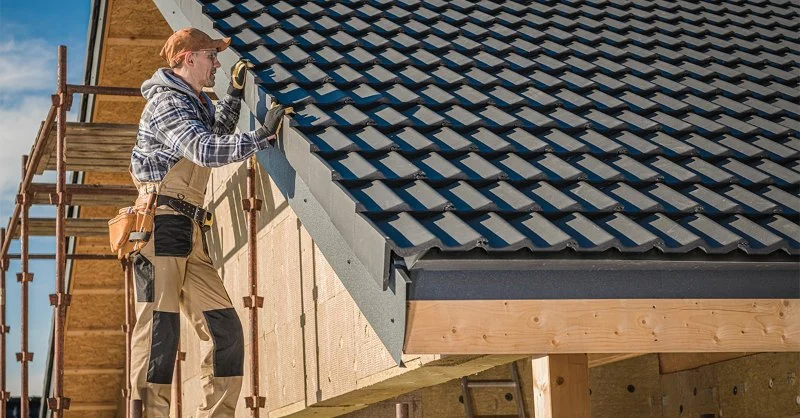
- 1-Introduction to Hiring a Roofer
- 2-Choosing the Right Roofer for Your Project
- 3-Understanding Roofing Contracts
- 4-How to Evaluate Roofing Estimates
- 5-The Importance of Roofer Licensing and Insurance
1. Introduction to Hiring a Roofer
When it comes to roof repairs or installations, hiring the right roofer is crucial for ensuring quality work and long-lasting results. Whether you're in need of a simple roof repair or a full replacement, understanding how to choose the right contractor, evaluate estimates, and confirm their licensing can help protect you from poor workmanship and unnecessary expenses. This article will guide you through the best practices for hiring a roofer, making sure your project is completed efficiently and safely.
Atlas-Apex Roofing Inc. / atlas apex toronto
65 Disco Rd, Etobicoke, ON M9W 1M2, Canada
2. Choosing the Right Roofer for Your Project
Finding a trustworthy and experienced roofer is the first step in a successful roofing project. Here are some important considerations when choosing a roofer:
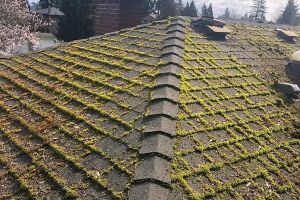
Vancouver Moss Removal / moss removal near me
VancouverMetro VancouverBritish Columbia
1615 Frances St #105, Vancouver, BC V5L 1Z3, Canada
2.1-Research Local Roofers
Start by researching roofing companies in your area. Look for businesses with good reviews, a solid reputation, and a portfolio of completed projects. Many reputable roofers will have a strong online presence, showcasing their work and customer testimonials.
2.2-Ask for Recommendations
Word-of-mouth is often the most reliable way to find a trusted roofer. Ask friends, family, or neighbors who have had recent roofing work done for recommendations. If a roofer has done a great job for someone you know, it’s a good sign that they are trustworthy.
2.3-Check Experience and Specialization
Roofing is a specialized field, and not all roofers have experience with every type of roofing material or style. Ensure that the roofer you are considering has experience with the specific type of roof you have, whether it's asphalt shingles, metal roofing, or flat roofing.
3. Understanding Roofing Contracts
Before any roofing work begins, it’s essential to have a contract in place. A detailed contract protects both you and the roofer by clearly outlining the scope of the work, materials, timeline, and payment terms. Here’s what to look for in a roofing contract:
3.1-Scope of Work
The contract should clearly define what work will be completed. This includes the type of roofing materials to be used, any necessary repairs, and the overall scope of the project. It should also specify whether the work includes disposal of old materials.
3.2-Timeline and Payment Terms
Ensure that the contract includes a detailed timeline for the project’s completion and outlines how and when payments will be made. It’s common for roofing contractors to request a deposit, but be cautious if they ask for a large upfront payment.
3.3-Warranties and Guarantees
A reputable roofer should offer a warranty on their work. Be sure that the contract specifies the terms of any warranties or guarantees, including coverage for both materials and labor.
4. How to Evaluate Roofing Estimates
After obtaining several estimates, it’s time to evaluate them to ensure you're getting the best value for your money. Here’s how to review a roofing estimate:
4.1-Look Beyond the Price
While price is an important factor, it shouldn’t be the only consideration. A low estimate could mean the roofer is cutting corners, while a high estimate might not necessarily guarantee better quality. Evaluate what’s included in the estimate and whether the price is reasonable for the scope of the work.
4.2-Compare Materials and Quality
Different roofers may suggest different materials for your roof. Compare the quality and brands of the materials included in each estimate. Higher-quality materials can save you money in the long run by improving your roof’s durability.
4.3-Check for Hidden Fees
Ask the roofer to clarify any potential hidden fees or additional costs that might not be included in the initial estimate. This could include things like disposal fees or the cost of replacing underlayment or flashing.
5. The Importance of Roofer Licensing and Insurance
It’s essential to verify that your roofer is properly licensed and insured. This ensures they are qualified to do the work and that you're protected in case of accidents or damage.
5.1-Verify License and Certification
Ensure that the roofer is licensed according to local regulations in Canada. This shows that they have passed the necessary tests and are legally allowed to perform roofing work. Some regions also have specific certifications for roofers, such as a certification for installing certain types of roofing materials.
5.2-Check Insurance Coverage
Make sure your roofer has the proper insurance, including liability insurance and workers’ compensation. This protects you from liability in case of injury or damage during the project. Always ask to see proof of insurance before work begins.
5.3-Bonding
Some roofing companies may also offer bonding, which provides additional financial protection. If the roofer fails to complete the work or doesn’t meet the agreed-upon standards, bonding may offer compensation to cover the cost of repairs.
6. Conclusion
Hiring a roofer is a significant investment, and it’s essential to do your research to ensure the job is done correctly. By understanding contracts, evaluating estimates, and verifying licensing and insurance, you can confidently hire a professional roofer for your project. At Pickering Roofing, we offer expert services and guidance for all your roofing needs. Visit our website to find the best solutions and contractors in your area.

 Roofco3.0 (2 reviews)
 Masterworks Roofing3.0 (10 reviews)
 Pacific West Roofing & Exteriors4.0 (10 reviews)
 Vusi Roofing5.0 (48 reviews)
 Black and White Commercial Roofing3.0 (18 reviews)
 CentiMark Ltd.5.0 (2 reviews)
 How Much Does a New Roof Cost in 2025? Canadian Roofing Price Guide
 Top Signs Your Roof Has a Leak and What to Do About It in Canada
 Can You Install a New Roof Over an Old One in Canada?
 The Top Questions to Ask Before Hiring a Roofer in Canada
 What Are the Most Common Roofing Scams and How to Avoid Them in Canada
 How to Prepare Your Home for a Roofing Project in Canada