
- Introduction to Roof Edge Flashing
- Importance of Roof Edge Flashing
- Best Practices for Metal Roof Flashing
- Best Practices for Asphalt Roof Flashing
- Proper Flashing Installation Techniques
- Roof Edge Flashing Maintenance
Introduction to Roof Edge Flashing
Roof edge flashing is a crucial component of any roofing system, designed to protect the edges of your roof from water infiltration. Whether you have a metal or asphalt roof, proper flashing installation helps prevent leaks, rust, and damage to the structure of your home. Understanding the best practices for roof edge flashing can significantly increase the lifespan of your roof and minimize the need for costly repairs.

Edmonton Roofing Company / replace roof edmonton
8023 182 St NW, Edmonton, AB T5T 0T6, Canada
What Is Roof Edge Flashing?
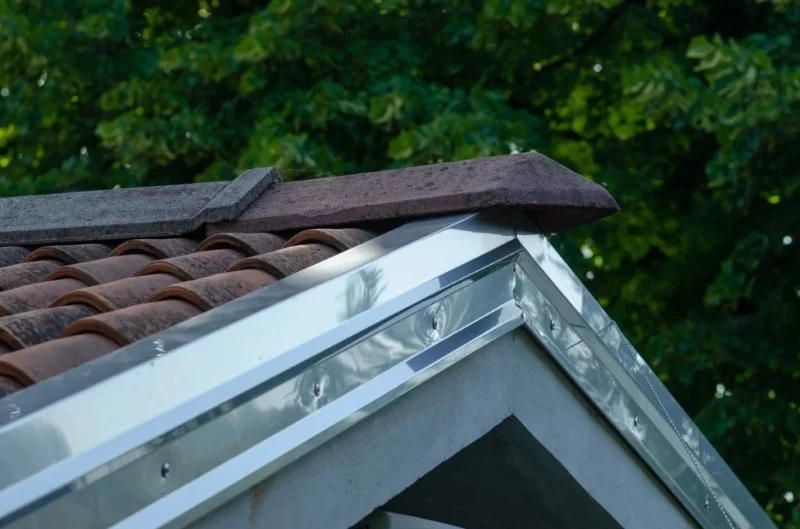
Roof edge flashing is a material, typically made of metal, that is installed at the edges of the roof to divert water away from the roof's edges and prevent it from getting underneath the shingles or roofing panels. It’s essential for directing rainwater into gutters and away from the structure of the building.

Custom Contracting Roofing & Eavestrough Repair Waterloo / eavestrough repair waterloo
WaterlooWaterloo Regional MunicipalityOntario
165 Margaret Ave S, Waterloo, ON N2J 2E3, Canada
Importance of Roof Edge Flashing
Properly installed roof edge flashing not only prevents water from seeping into the roof structure but also adds to the overall protection of your home. It helps maintain the integrity of your roofing system by:
1. Preventing Water Damage
Water that isn’t properly directed away from the edges of the roof can cause significant damage to both the roofing materials and the structure of your home. Roof edge flashing prevents water from seeping into the roof deck, which could lead to mold, mildew, and rotting wood.
2. Increasing Roof Lifespan
By preventing water penetration, flashing helps protect your roof from premature wear and tear. This can extend the lifespan of your roof and delay the need for major repairs or replacement.
3. Aesthetic Appeal
When installed correctly, roof edge flashing provides a clean, finished look to your roofline. It also helps prevent sagging and other structural issues, contributing to a more attractive exterior of your home.
Best Practices for Metal Roof Flashing
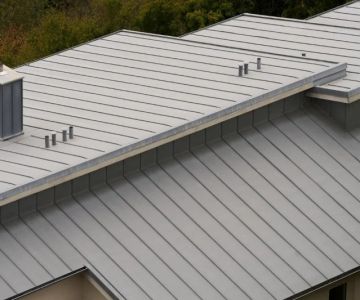
Metal roofs are increasingly popular due to their durability and long lifespan. However, proper flashing is essential to ensure their effectiveness. Here are the best practices for installing flashing on metal roofs:
1. Use High-Quality Materials
Metal roofs require high-quality flashing materials, such as galvanized steel or aluminum. These materials are corrosion-resistant and able to withstand the harsh weather conditions that metal roofs are exposed to.
2. Ensure Proper Overlapping
For metal roofs, flashing should overlap at the seams to create a watertight seal. The flashing should extend at least two inches past the roof’s edge to prevent water from seeping underneath.
3. Install Flashing at Roof Transitions
Ensure that flashing is installed at roof transitions, such as valleys or where the roof meets the wall. These are high-risk areas where water can easily penetrate if not properly sealed.
Best Practices for Asphalt Roof Flashing
Asphalt roofs require special attention when it comes to flashing to ensure they remain watertight and resistant to the elements. Here are key practices for asphalt roof flashing:
1. Proper Shingle Alignment
For asphalt roofs, ensure that the shingles are properly aligned with the flashing. This prevents gaps and ensures water is directed into the gutters. Misalignment can cause water to bypass the flashing and lead to leaks.
2. Use a Continuous Layer of Flashing
For maximum protection, use a continuous layer of flashing along the roof’s edges, rather than piecing it together in sections. This creates a stronger barrier and reduces the likelihood of water penetration.
3. Seal Flashing Edges
To ensure a complete seal, use roofing cement or caulking around the edges of the flashing. This prevents gaps where water could seep through and cause damage.
Proper Flashing Installation Techniques
The installation of roof edge flashing requires precision and attention to detail. Here are some important installation techniques to ensure your flashing works effectively:
1. Correct Placement of Flashing
Flashing should be installed at all roof edges, transitions, and joints. This includes areas where the roof meets walls, chimneys, or vents. Make sure that the flashing is installed under the shingles or panels to prevent water from running behind it.
2. Proper Fastening
Flashing should be securely fastened using screws or nails, ensuring it remains in place during high winds or heavy rain. Ensure that the fasteners are placed in a way that does not compromise the integrity of the flashing material.
3. Overlapping Sections
When installing flashing in sections, always ensure the sections overlap. This is particularly important for both metal and asphalt roofs, as proper overlap prevents water from seeping through seams.
Roof Edge Flashing Maintenance
To ensure the longevity of your roof and flashing system, regular maintenance is crucial. Here are some key maintenance tips for roof edge flashing:
1. Regular Inspections
Inspect the flashing regularly for signs of wear, rust, or damage. Pay particular attention to the areas where flashing is installed around roof penetrations such as chimneys and vents.
2. Clean Gutter and Flashing Areas
Keep gutters and the areas around your flashing clean from debris. Leaves and other debris can obstruct water flow and lead to water buildup, increasing the risk of leaks.
3. Seal Gaps and Cracks Promptly
If you notice any gaps or cracks in the flashing, seal them promptly using appropriate materials such as roofing sealant or caulking. This helps prevent water infiltration and extends the lifespan of your roof.
By following these best practices for roof edge flashing, whether for metal or asphalt roofs, you can enhance your roof’s durability, protect your home from water damage, and increase its overall lifespan. Regular inspection and maintenance are key to keeping your flashing in top condition and avoiding costly repairs.
If you need assistance with roof flashing installation or are looking for roofing materials, visit Pickering Roofing for expert advice and top-quality products.

 Appleton Steel Roofing4.0 (16 reviews)
 Metal Roof Canada | Steel Roofing Markham5.0 (41 reviews)
 KYXRoofing Inc0.0 (0 reviews)
 Desi's Roofing Co Ltd4.0 (45 reviews)
 Lakewood Roofing1.0 (1 reviews)
 Jin Li Roofing INC4.0 (57 reviews)
 How Much Does a New Roof Cost in 2025? Canadian Roofing Price Guide
 Top Signs Your Roof Has a Leak and What to Do About It in Canada
 Can You Install a New Roof Over an Old One in Canada?
 The Top Questions to Ask Before Hiring a Roofer in Canada
 What Are the Most Common Roofing Scams and How to Avoid Them in Canada
 How to Prepare Your Home for a Roofing Project in Canada