
- 1- Introduction to Roofing and Insulation Issues
- 2- Causes of Wet or Damaged Insulation
- 3- Best Roofing Approaches When Insulation Gets Wet or Damaged
- 4- Signs of Wet or Damaged Insulation
- 5- Preventing Wet or Damaged Insulation in the Future
- 6- Where to Find Expert Roofing Services: Pickering Roofing
1. Introduction to Roofing and Insulation Issues
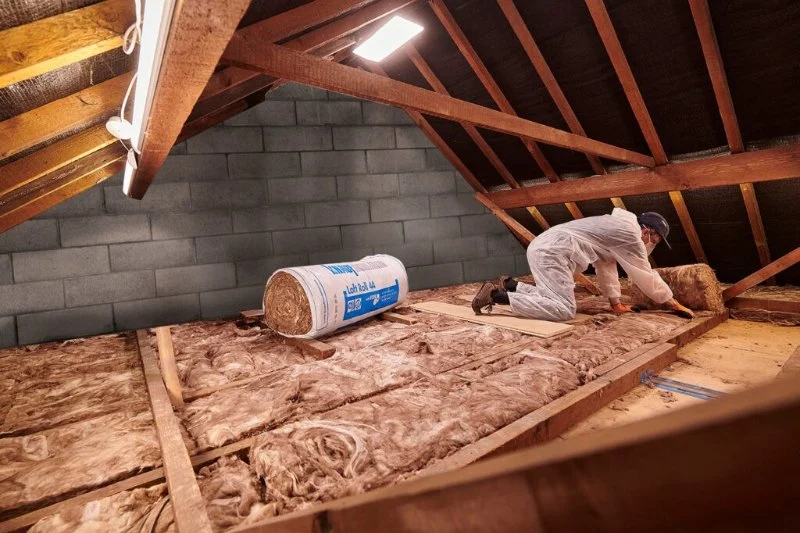
When it comes to home maintenance, one of the most crucial aspects is ensuring that your roof and insulation remain in top condition. Insulation plays a vital role in maintaining the energy efficiency of your home and protecting the structure of your roof. However, when insulation becomes wet or damaged, it can lead to significant issues, ranging from mold growth to energy loss and even structural damage. This article will discuss the best roofing approaches when insulation gets wet or damaged, including how to identify, repair, and prevent such issues, ensuring your roof remains functional and safe.
Roof Rescue Ontario Inc. / trudel & sons roofing ltd
Whitchurch-StouffvilleRegional Municipality of YorkOntario
164 Hawthorn Ave, Whitchurch-Stouffville, ON L4A 4Y8, Canada
2. Causes of Wet or Damaged Insulation
Understanding the causes of wet or damaged insulation is the first step toward addressing the problem. There are several common reasons why insulation might become compromised:
Toiture Royale Expert Inc. / toiture royale expert
LévisChaudière-AppalachesQuébec
7921 Rue de l'Orge, Lévis, QC G6Y 0G1, Canada
2.1 Roof Leaks
One of the most common causes of wet insulation is a roof leak. Over time, shingles can deteriorate, flashing can fail, or vents can become clogged, allowing water to seep into your attic and damage the insulation. Even small leaks can result in significant water damage if left unaddressed.
2.2 Ice Dams
In colder climates like Canada, ice dams are a major concern. These occur when warm air from the house melts the snow on the roof, which then refreezes at the edges, blocking water from draining. As a result, water can pool on the roof and seep into the attic, damaging insulation.
2.3 Condensation
Inadequate ventilation in the attic can lead to moisture buildup from condensation, especially in homes with high humidity. This moisture can cause insulation to absorb water, which reduces its effectiveness and can lead to mold growth.
2.4 Roof Ventilation Issues
Proper roof ventilation is essential to maintaining a dry attic. If ventilation systems are blocked or not functioning properly, it can lead to trapped moisture, which over time can damage both the roof structure and insulation.
3. Best Roofing Approaches When Insulation Gets Wet or Damaged
When you discover wet or damaged insulation, it’s crucial to take immediate action to prevent further issues. Here are the best roofing approaches to follow:
3.1 Identify and Fix the Source of Water Damage
The first step in repairing wet insulation is identifying and fixing the source of the water. This may involve repairing roof leaks, clearing clogged gutters, or addressing ventilation issues. Once the source of water is eliminated, the risk of further insulation damage is minimized.
3.2 Remove and Replace Damaged Insulation
Once you’ve addressed the cause of the water damage, you must remove any wet or moldy insulation. Wet insulation loses its insulating properties, so it’s crucial to replace it with fresh material. Moldy insulation can pose health risks, so proper removal and disposal are essential.
3.3 Repair or Replace Damaged Roofing Components
If the roof itself is compromised, repairing or replacing damaged shingles, flashing, or vents is necessary. This ensures that the roof is watertight and reduces the risk of future damage to both the roof and the insulation.
3.4 Install Proper Insulation and Ventilation
Once repairs are made, installing proper insulation and ensuring adequate attic ventilation is key. Opt for high-quality insulation materials, such as spray foam or batt insulation, that provide excellent thermal resistance. Additionally, ensure your attic has sufficient airflow to prevent future moisture buildup.
4. Signs of Wet or Damaged Insulation
Recognizing the signs of wet or damaged insulation early can help you prevent more serious issues. Look for these indicators:
4.1 Damp or Water-Stained Insulation
Wet insulation often shows visible signs of moisture, such as dampness or water stains. If you notice these signs, it’s important to inspect the roof for leaks and address the issue immediately.
4.2 Mold Growth
One of the most concerning signs of wet insulation is mold growth. Mold thrives in damp environments and can pose significant health risks, including respiratory issues and allergies. If you detect mold in your attic, take immediate action to remove the insulation and clean the area thoroughly.
4.3 Increased Energy Bills
Wet or damaged insulation can cause your home to lose heat more quickly, leading to increased energy costs. If you notice a spike in heating bills during the winter, it could be a sign that your insulation is no longer functioning properly due to water damage.
5. Preventing Wet or Damaged Insulation in the Future
Taking proactive measures to maintain your roof and insulation can prevent future damage. Here are a few tips for preventing wet or damaged insulation:
5.1 Regular Roof Inspections
Schedule regular roof inspections, especially after heavy storms or snowfalls. A professional roofing contractor can identify and repair potential issues before they result in significant damage to your insulation.
5.2 Proper Ventilation
Ensure that your attic has proper ventilation to allow moisture to escape and prevent condensation buildup. Installing ridge vents, soffit vents, and attic fans can help maintain healthy airflow in your attic.
5.3 Insulate the Roof Properly
When installing new insulation, choose materials that are resistant to moisture, such as spray foam. This will reduce the risk of water damage and help maintain the efficiency of your insulation over time.
6. Where to Find Expert Roofing Services: Pickering Roofing
If you’re dealing with wet or damaged insulation, it’s important to work with an experienced roofing contractor. Pickering Roofing offers expert roofing inspections, repairs, and insulation services to ensure your home remains safe, efficient, and comfortable. Whether you need to address water damage or prevent future issues, Pickering Roofing has the expertise you can trust.
 Save On Roofing Ottawa Ltd0.0 (0 reviews)
 All Mighty Roofers5.0 (49 reviews)
 Ravco | Services de peinture, étanchéité de toiture et pose d'enduit4.0 (17 reviews)
 Strategic Roofing4.0 (26 reviews)
 Allan Star Roofing Ltd4.0 (4 reviews)
 Crown Industrial Roofing4.0 (86 reviews)
 How Much Does a New Roof Cost in 2025? Canadian Roofing Price Guide
 Top Signs Your Roof Has a Leak and What to Do About It in Canada
 Can You Install a New Roof Over an Old One in Canada?
 The Top Questions to Ask Before Hiring a Roofer in Canada
 What Are the Most Common Roofing Scams and How to Avoid Them in Canada
 How to Prepare Your Home for a Roofing Project in Canada