
- 1. Introduction: Roofing Materials for Cold Climates
- 2. Importance of Choosing the Right Roofing Material for Cold Climates
- 3. Top Roofing Materials for Cold Climates
- 4. Factors to Consider When Choosing Roofing Materials
- 5. Common Mistakes to Avoid When Selecting Roofing Materials
- 6. Conclusion: Best Choices for Cold Climate Roofing
1. Introduction: Roofing Materials for Cold Climates
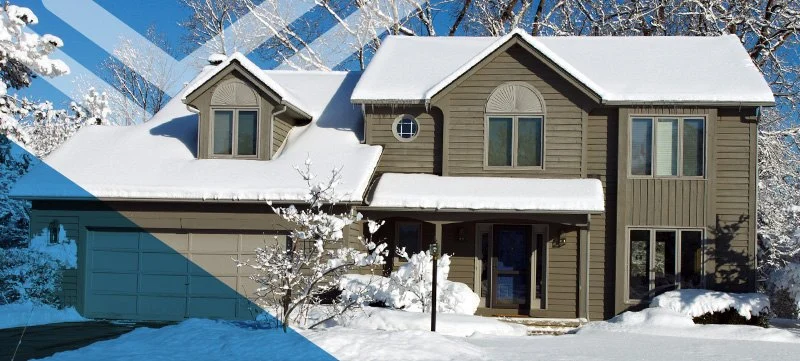
In regions where winters are harsh and temperatures regularly drop below freezing, selecting the right roofing material is critical for the durability and efficiency of your home. Whether you are building a new home or replacing an old roof, understanding which roofing materials work best for cold climates will ensure your home stays warm, dry, and secure during the harsh winter months.
Marlad Roofing & Siding Inc / marlad
BramptonRegional Municipality of PeelOntario
30 Hale Rd Unit 14, Brampton, ON L6W 4N9, Canada
2. Importance of Choosing the Right Roofing Material for Cold Climates
The roofing material you choose for your home plays a significant role in insulation, preventing heat loss, and withstanding snow accumulation and ice dams. In cold climates, roofs face unique challenges, including heavy snowfalls, ice buildup, and extreme cold. As a result, the right roofing materials will provide better insulation, resist water penetration, and withstand the stress caused by these conditions.

Custom Contracting Burlington Roofing & Eavestrough Repair Burlington / eavestrough burlington
BurlingtonRegional Municipality of HaltonOntario
687 Waterloo St, Burlington, ON L7R 2S9, Canada
3. Top Roofing Materials for Cold Climates
Several roofing materials are highly effective in cold climates. Here are some of the best choices:
3.1 Asphalt Shingles
Asphalt shingles are one of the most popular roofing materials in cold climates due to their affordability and ability to shed snow easily. They come in various colors and styles, offering excellent insulation properties. In addition, modern asphalt shingles are designed to withstand cold temperatures and high winds, making them an excellent choice for homes in regions with harsh winters.
3.2 Metal Roofing
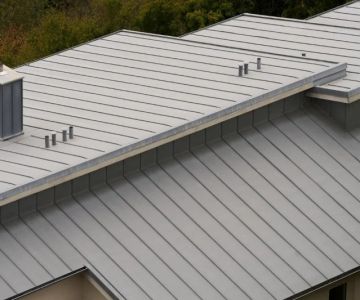
Metal roofs, particularly standing seam metal roofs, are well-suited for cold climates. They are durable, energy-efficient, and capable of shedding snow effectively. Their sleek surface helps prevent ice dams by allowing snow to slide off quickly. Metal roofing is also highly resistant to strong winds, a common issue during winter storms.
3.3 Slate Roofing
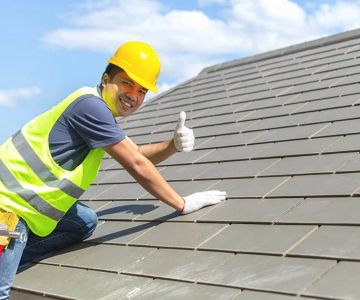
Slate is a natural stone material known for its durability and longevity. It is one of the most resilient roofing materials and is ideal for cold climates. Slate can withstand heavy snow and ice, and it does not absorb moisture, which helps prevent freeze-thaw cycles that could damage the roof. Although it is more expensive, slate provides a timeless look and offers excellent protection against the elements.
3.4 Wood Shingles and Shakes
Wood shingles and shakes offer a natural aesthetic and good insulation properties. However, in cold climates, it’s essential to choose pressure-treated wood that can resist moisture and rot caused by ice and snow. While wood shingles provide a rustic look, they require more maintenance and care, especially when exposed to wet conditions.
3.5 Synthetic Roofing Materials
Synthetic roofing materials, such as synthetic slate or rubber tiles, are becoming increasingly popular in cold climates. These materials are designed to mimic the look of natural stone or wood but are much more durable and weather-resistant. They are also lighter than traditional materials and easier to install, making them a cost-effective choice for cold-weather homes.
4. Factors to Consider When Choosing Roofing Materials
When selecting roofing materials for cold climates, several factors should be taken into account:
- Insulation: Good insulation helps keep your home warm in winter and reduces energy bills.
- Snow Shedding Ability: The roofing material should allow snow to slide off easily to prevent ice dams and excessive weight on the roof.
- Durability: The material should be able to withstand heavy snow, high winds, and freezing temperatures without deteriorating.
- Maintenance: Some materials require more maintenance than others, especially in areas with extreme cold.
- Cost: Consider the cost of materials and installation, keeping in mind that high-quality roofing may be an investment that pays off in the long run.
5. Common Mistakes to Avoid When Selecting Roofing Materials
While choosing roofing materials for cold climates, homeowners often make mistakes that can affect the longevity and performance of the roof. Here are some common pitfalls to avoid:
- Choosing Aesthetic Over Functionality: While a material may look great, it’s essential to prioritize functionality over appearance, especially in areas with extreme cold.
- Not Considering Snow and Ice Accumulation: Failure to choose a material that allows snow to slide off can result in dangerous ice dams that damage the roof.
- Ignoring Installation Requirements: Some roofing materials require professional installation and may not be suitable for DIY projects in colder climates.
6. Conclusion: Best Choices for Cold Climate Roofing
Choosing the right roofing material for your home in cold climates is essential for ensuring durability, energy efficiency, and long-lasting protection. Asphalt shingles, metal roofing, slate, and synthetic materials are some of the best options available. However, it’s crucial to weigh the pros and cons of each material based on your home’s needs, budget, and maintenance preferences. By understanding the factors that affect the performance of roofing materials in cold climates, you can make an informed decision that will keep your home safe, warm, and energy-efficient for years to come.
For more guidance on roofing materials and services in your area, visit Pickering Roofing to explore the best options for your home and climate.
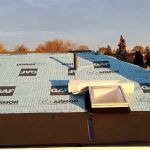 Lara's Roofing5.0 (10 reviews)
 Firm Craft Construction4.0 (6 reviews)
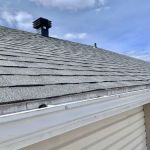 Nova Toiture5.0 (8 reviews)
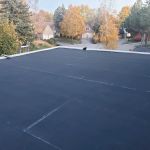 Master Roof Repair4.0 (155 reviews)
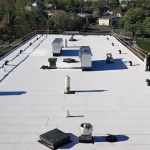 H&E Construction Inc, Division Toiture - Toit plat Lachine5.0 (11 reviews)
 B Prince Roofing Ltd.4.0 (4 reviews)
 How Much Does a New Roof Cost in 2025? Canadian Roofing Price Guide
 Top Signs Your Roof Has a Leak and What to Do About It in Canada
 Can You Install a New Roof Over an Old One in Canada?
 The Top Questions to Ask Before Hiring a Roofer in Canada
 What Are the Most Common Roofing Scams and How to Avoid Them in Canada
 How to Prepare Your Home for a Roofing Project in Canada